
News and Events

COUSIN at the Innovation conference in the agri-food sector of Catalonia
Laura Botigué, PhD and Group Leader of Plant and Animal Genomics Program (CRAG, Centre for Research in Agricultural Genomics) was invited to attend a round table entitled "disruptive agri-food research projects", organised by the Catalan government to talk about...
Capturing the Brassica oleracea L. wild relatives diversity for improving nutraceutical traits of cole crops
The article "Capturing the Brassica oleracea L. wild relatives diversity for improving nutraceutical traits of cole crops" written by Gresheen Garcia, Simone Treccarichi, Donata Arena, Hajer Ben Ammar, Lorenzo Maggioni and Ferdinando Branca, was published on Springer...
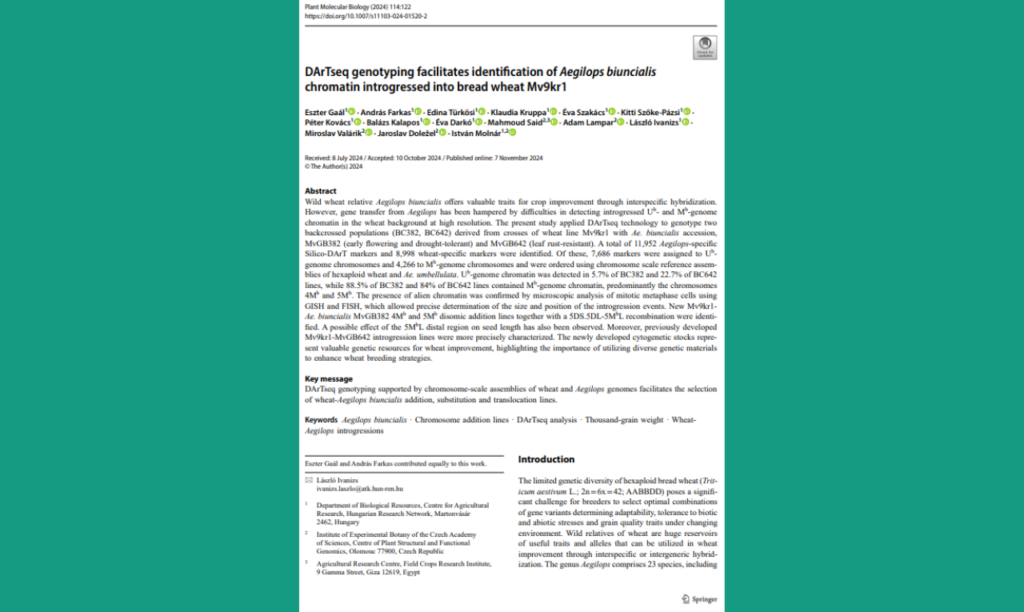
DArTseq genotyping facilitates identification of Aegilops biuncialis chromatin introgressed into bread wheat Mv9kr1. Plant Mol Biol
The article "DArTseq genotyping facilitates identification of Aegilops biuncialis chromatin introgressed into bread wheat Mv9kr1. Plant Mol Biol" was published in Springer Nature - Volume 114, article number 122, (2024). The autors of the article are Eszter Gaál,...
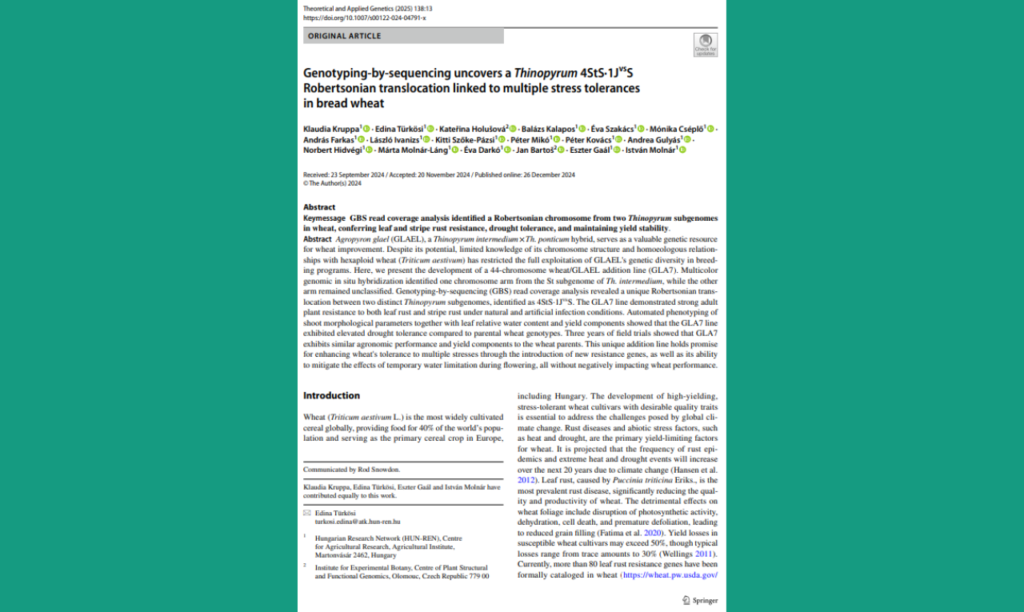
Genotyping-by-sequencing uncovers a Thinopyrum 4StS·1JvsS Robertsonian translocationlinked to multiple stress tolerances in bread wheat
The article "Genotyping-by-sequencing uncovers a Thinopyrum 4StS·1JvsS Robertsonian translocation linked to multiple stress tolerances in bread wheat" written by written by Kruppa, K., Türkösi, E., Holušová, K. et al. was published in Springer Nature, Volume 138,...
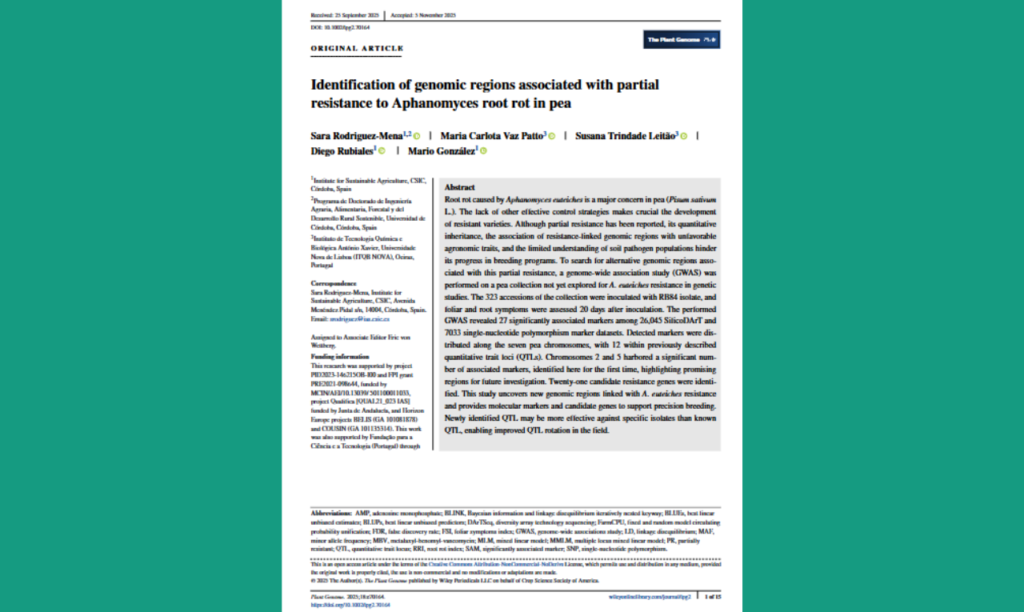
Identification of sources of resistance to Aphanomyces Roor Rot in Pisum
The article "Identification of sources of resistance to Aphanomyces Roor Rot in Pisum"written by Sara Rodriguez-Mena, Diego Rubiales and Mario González (Institute for Sustainable Agriculture,CISIC) was published in Plant 2024, 13 (17). Abstract Aphanomyces root rot...
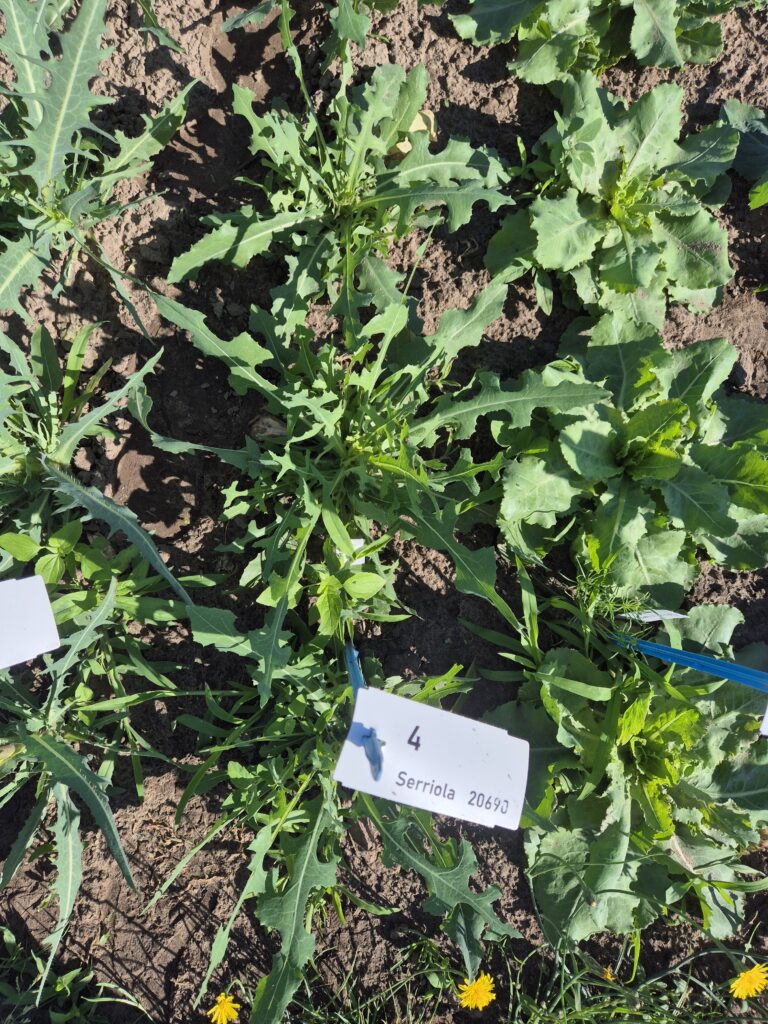
10 – Boosting lettuce stress resilience – Exploiting Lactuca serriola genetic diversity for more resilient and sustainable crops
Lactuca serriola, a crop wild relative, shows valuable traits for phosphorus use efficiency under nutrient stress. The COUSIN Project identifies genetic markers linked to improved photosynthesis and nutrient uptake, enabling breeders to develop resilient lettuce varieties with lower fertiliser needs.
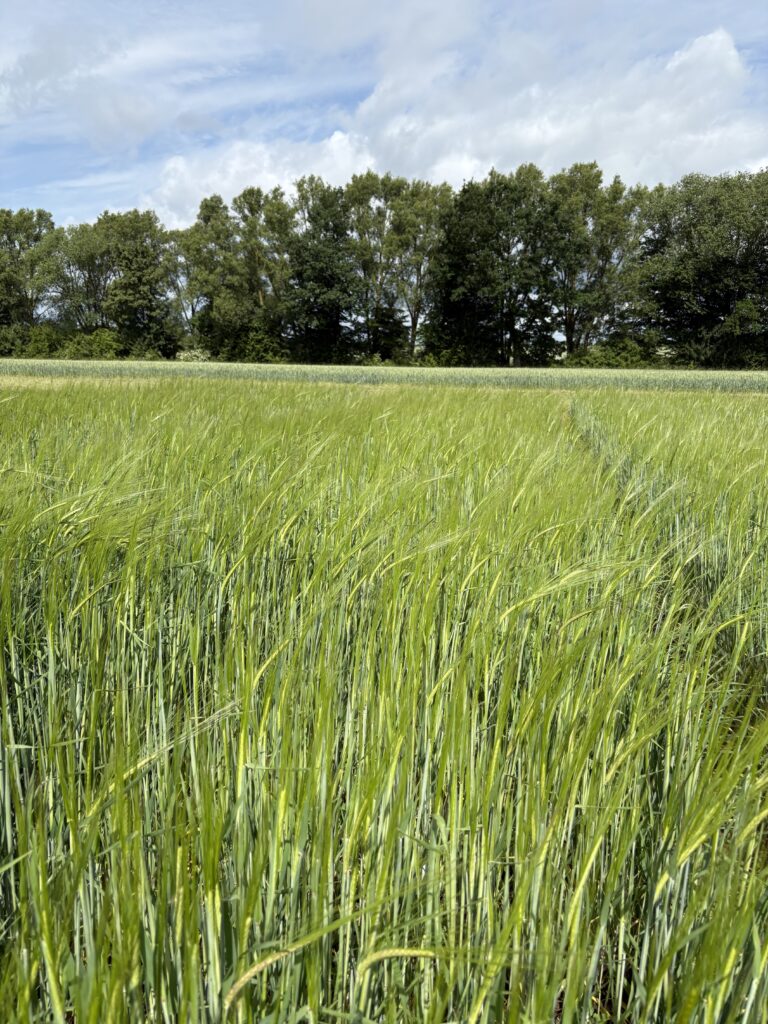
9 – Making use of barley’s wild relative – Barley research in the COUSIN project for future agriculture
Wild barley holds valuable traits for low-input and diversified farming systems. The COUSIN Project develops and tests CWR-derived populations to improve traits like root architecture.
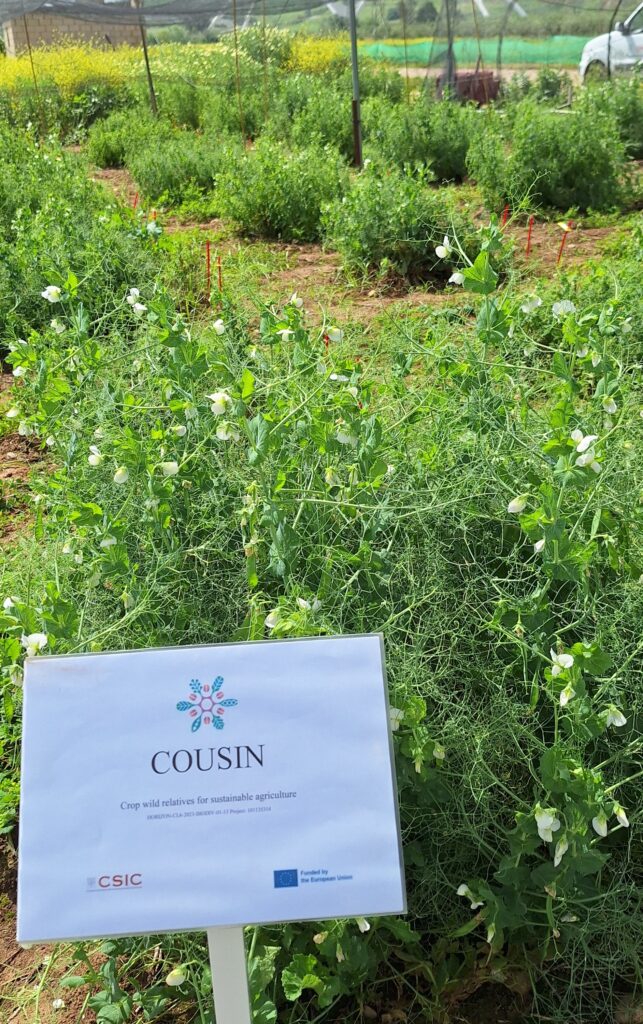
8 – Characterisation and use of wild relatives in pea breeding
CWRs of pea, including Pisum fulvum, provide essential traits such as resistance to broomrape and powdery mildew. The COUSIN Project supports the development and distribution of CWR-derived cultivars and breeding populations, enhancing pea resilience under Mediterranean and other challenging farming conditions.
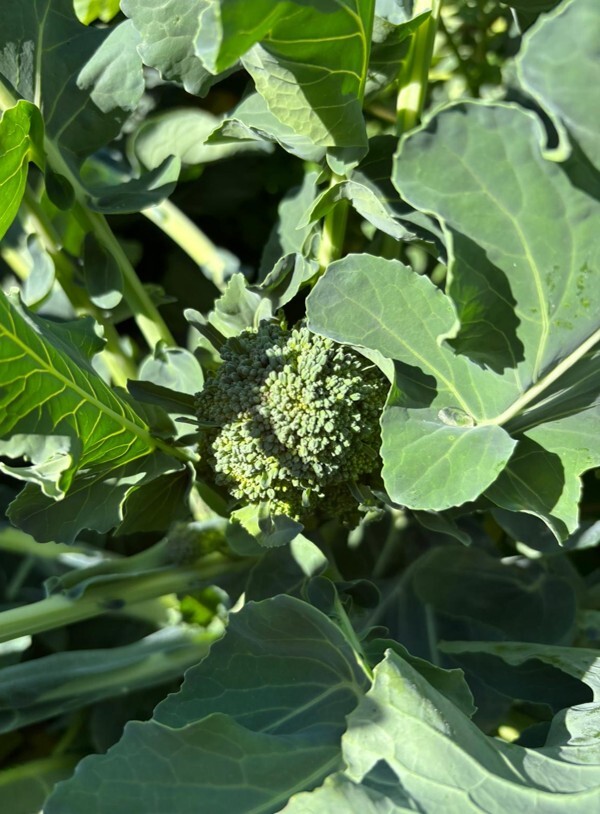
7 – Success story of breeding with Crop Wild Relatives – The Brassica case study at the University of Catania
Brassica crop wild relatives (CWRs), such as B. macrocarpa, offer valuable traits for resilience and health-promoting compounds. The COUSIN Project demonstrates that interspecific hybrids with broccoli can enhance glucosinolate content and drought tolerance, supporting both crop improvement and CWRs conservation.
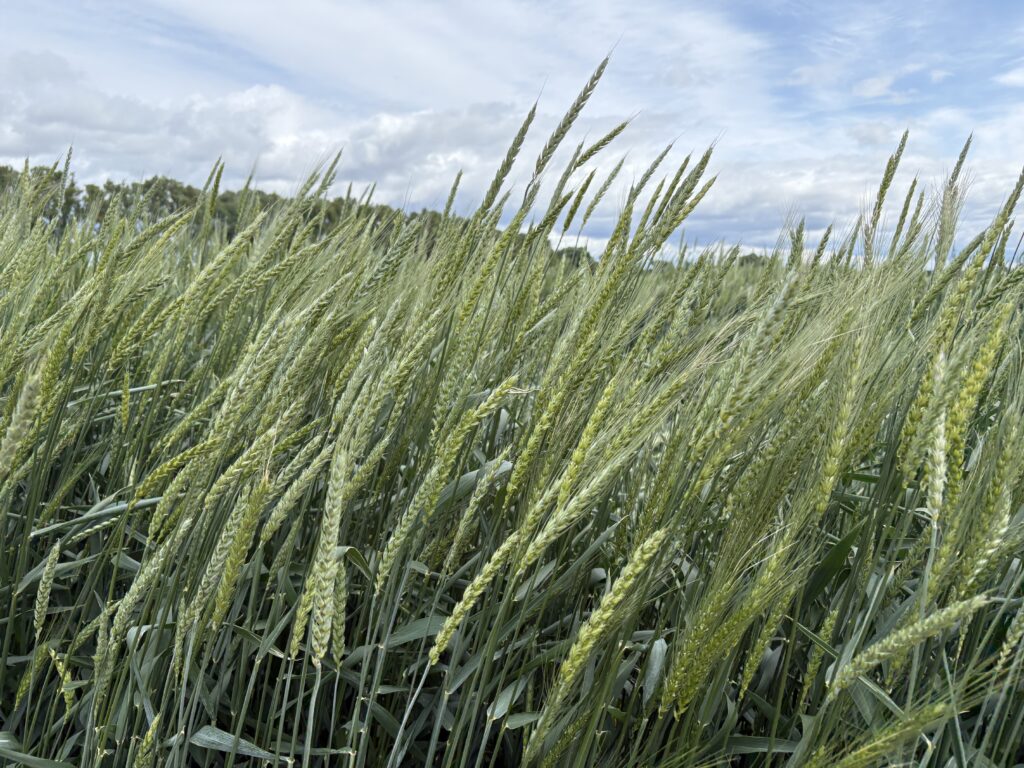
6 – Prospects of breeding with CWR on wheat to enhance site adaptation and drought tolerance
Wheat is fundamental to Europes food supply, but challenges such as demands to reduce pesticides and fertilizers, along with more unpredictable weather patterns, have made it more difficult to achieve high, consistent yields and maintain flour quality

The article in the Spanish magazine “Revista Campo” on powdery mildew in legumes
The article "El oidio en las leguminosas" ("Powdery mildew in legumes") , written by Jiménez-Vaquero M.A., Cobos M.J., and Rubiales D., has been published in the issue 117 of the Spanish magazine "Revista Campo".
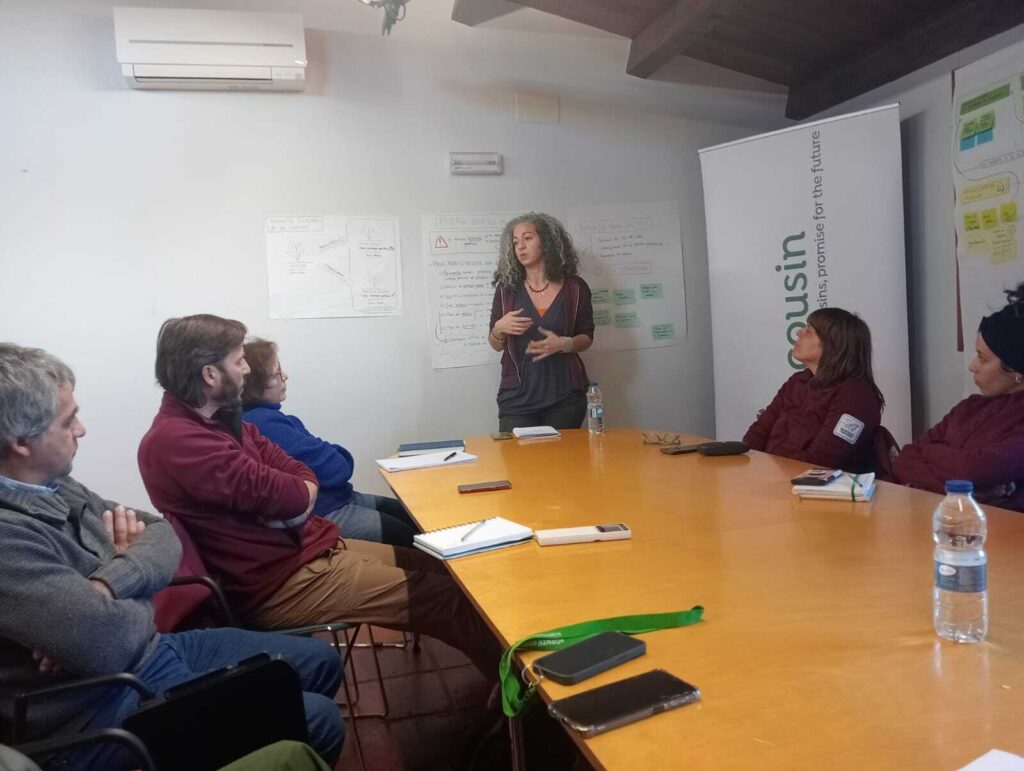
5 – Working with others for Crop Wild Relatives (CWRs) – Stakeholder engagement in the use and conservation of CWRs
The conservation and sustainable use of CWRs requires stronger collaboration between different stakeholders. The COUSIN Project highlights the importance of this aspect to co-create context-specific solutions and build lasting support for CWR conservation and use.
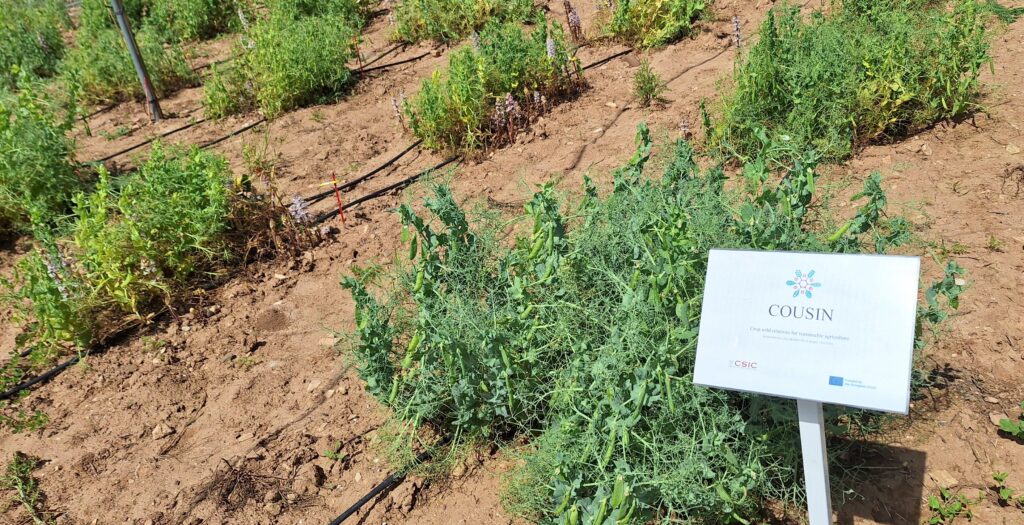
4 – The policy context of Crop Wild Relatives – Addressing policy gaps to ensure sustainable food systems
CWRs are crucial genetic resources for resilient agriculture, but current policies rarely address them directly. The COUSIN Project identifies structural gaps and recommends targeted policy actions to support the conservation and sustainable use of CWR.
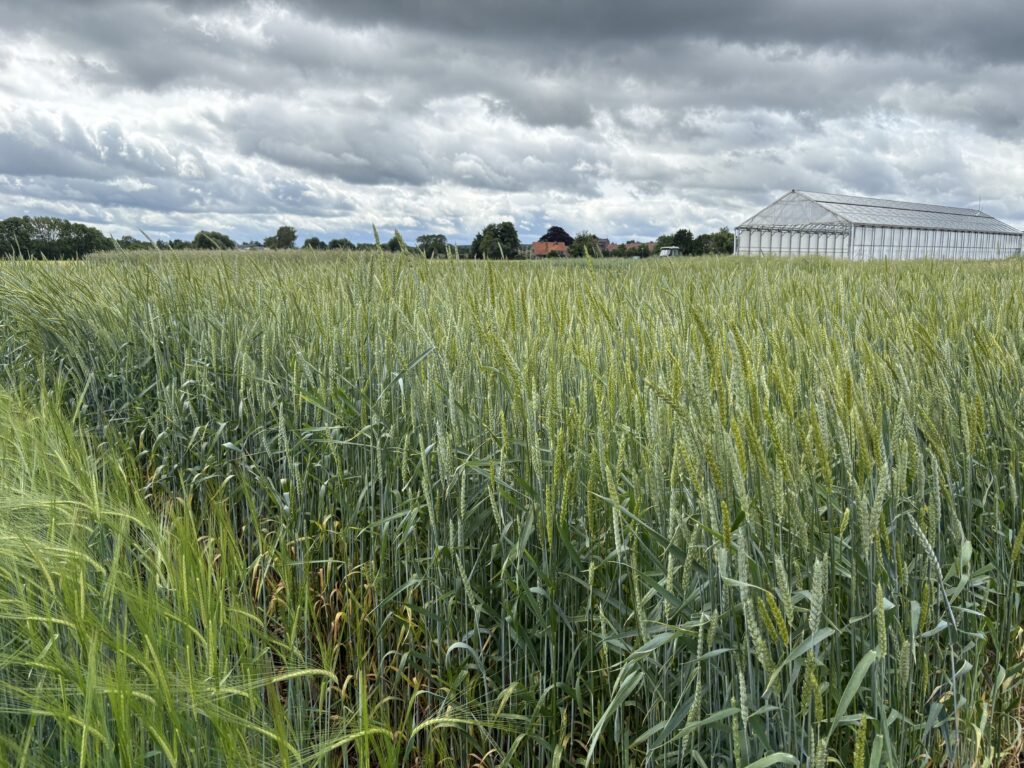
Unlocking the potential of Wild Crops: new progress in the COUSIN Project
Crop Wild Relatives (CWRs) carry genetic traits for resilience, productivity, and nutrition and could play a key role in the agroecological transition of European food systems. In its first 18 months, the COUSIN project is making strong progress towards understanding...