
News and Events
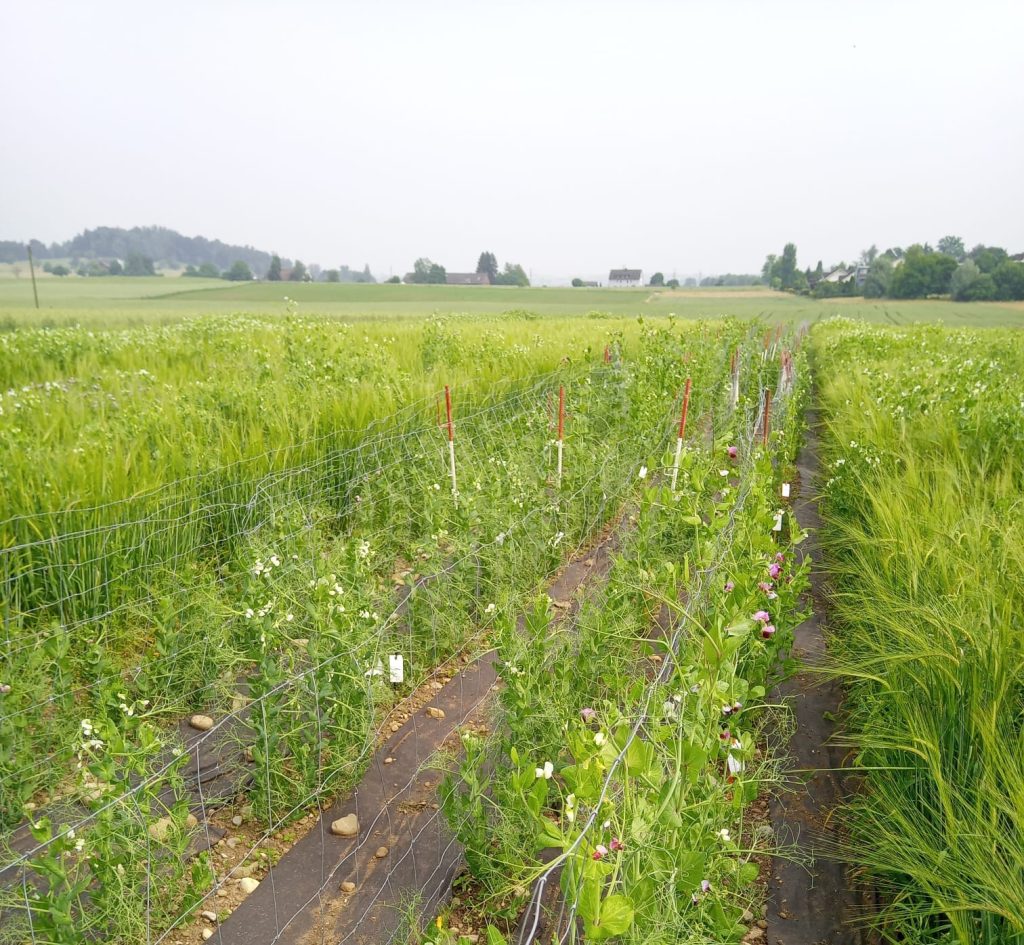
16 – Screening Crop Wild Relatives of Pea under field conditions – Improving on-field phenotyping of Pea-CWR with a fence-based system
Reliable phenotyping of pea crop wild relatives (CWRs) and breeding progeny is essential for effective selection in plant breeding, but field conditions often limit the assessment of individual plants. The COUSIN Project presents a fence-supported field screening system that improves the evaluation of pea genotypes under realistic growing conditions, enabling more precise selection for plant architecture, health and agronomic performance.
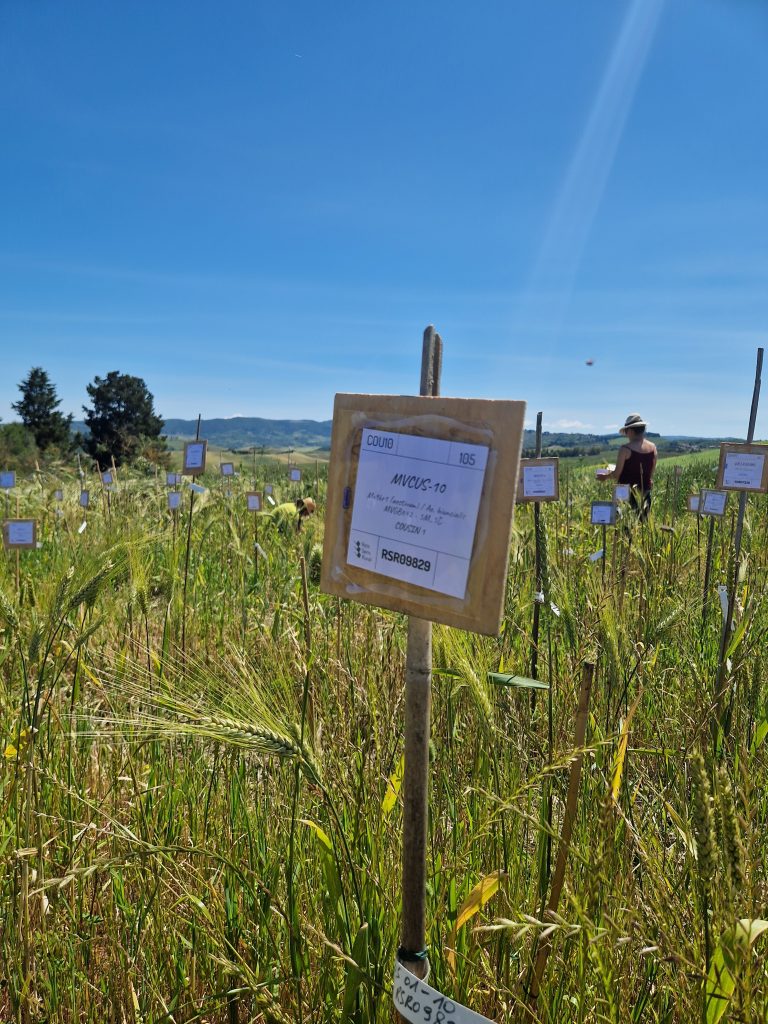
15 – How genomics can help to unlock wild genetic potential for crop improvment
Modern crops have lost valuable genetic diversity through domestication, while crop wild relatives (CWRs) retain traits important for resilience and adaptation. The COUSIN Project provides high-quality genomic resources and maps for multiple CWR species, enabling the identification of beneficial genes and supporting their targeted introgression into modern crops to accelerate breeding for improved performance and resistance.
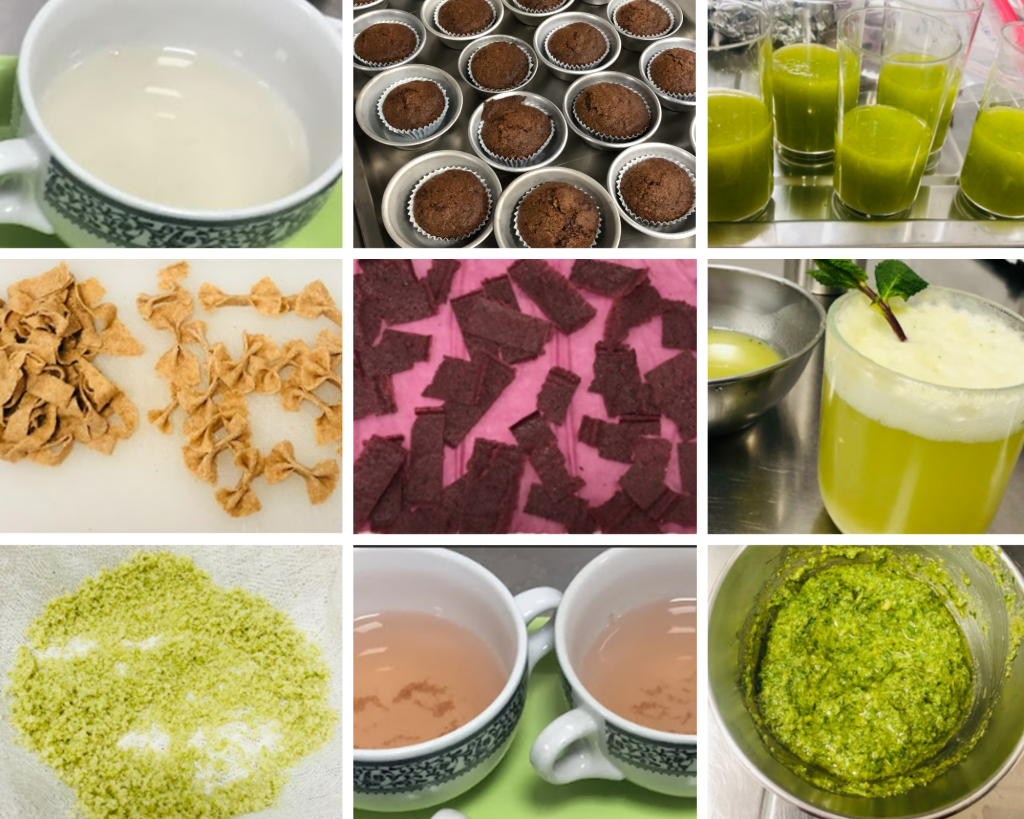
14 – Using Crop Wild Relatives in innovative food products – Translating crop diversity into practical food application
Crop wild relatives (CWRs) and CWR-derived materials from barley, wheat, pea and lettuce offer underused potential for innovative food product development. The COUSIN Project demonstrates how these resources can be incorporated into a range of food applications, supporting the creation of more diverse, nutritious and sustainable food systems.
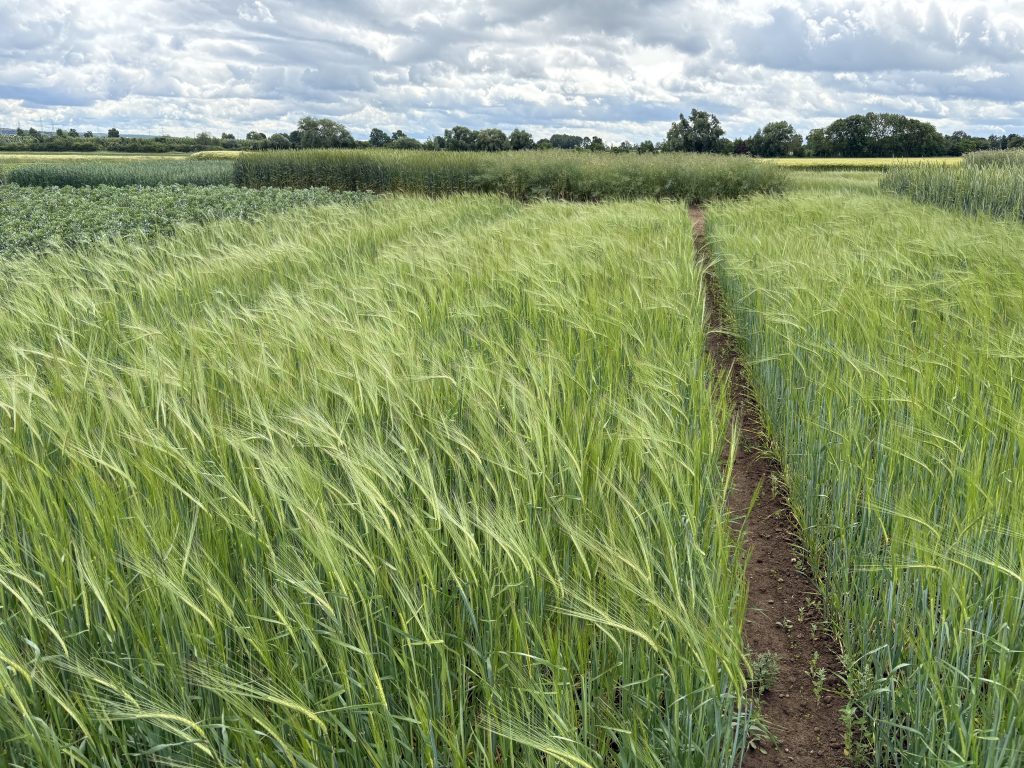
13 – Nutritional value of Crop Wild Relatives (CWRs) – Using barley diversity to support better food quality
Barley crop wild relatives (CWRs) offer valuable genetic diversity for improving the nutritional quality of future barley varieties. The COUSIN Project highlights variation in key nutritional traits, supporting the identification of promising breeding materials for healthier, more resilient, and sustainable cropping and food systems.
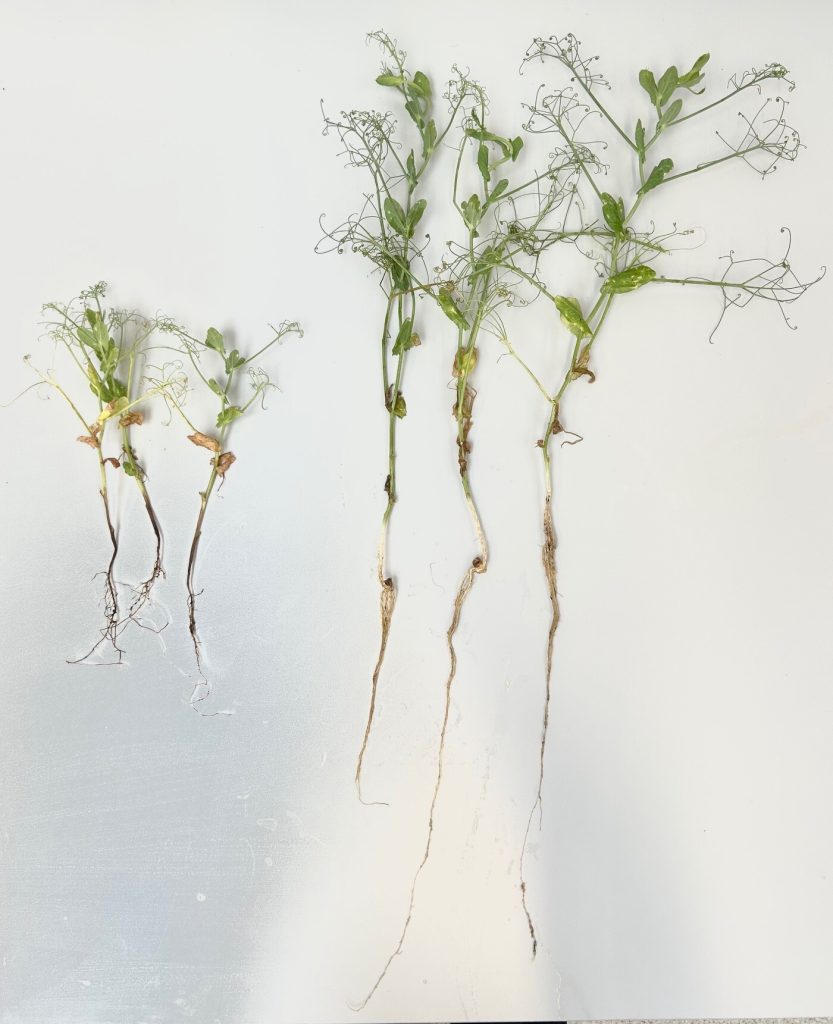
12 – Testing soil for the presence of Aphanomyces euteiches – A. euteiches is the causal agent of Aphanomyces root rot in peas
This practice presents a protocol for testing soil for the presence of Aphanomyces euteiches, the causal agent of pea root rot. The COUSIN Project provides practical guidance on disease risk assessment using a soil bioassay, supporting field selection, crop management, and the evaluation of pea crop wild relatives for improved resistance to root rot.
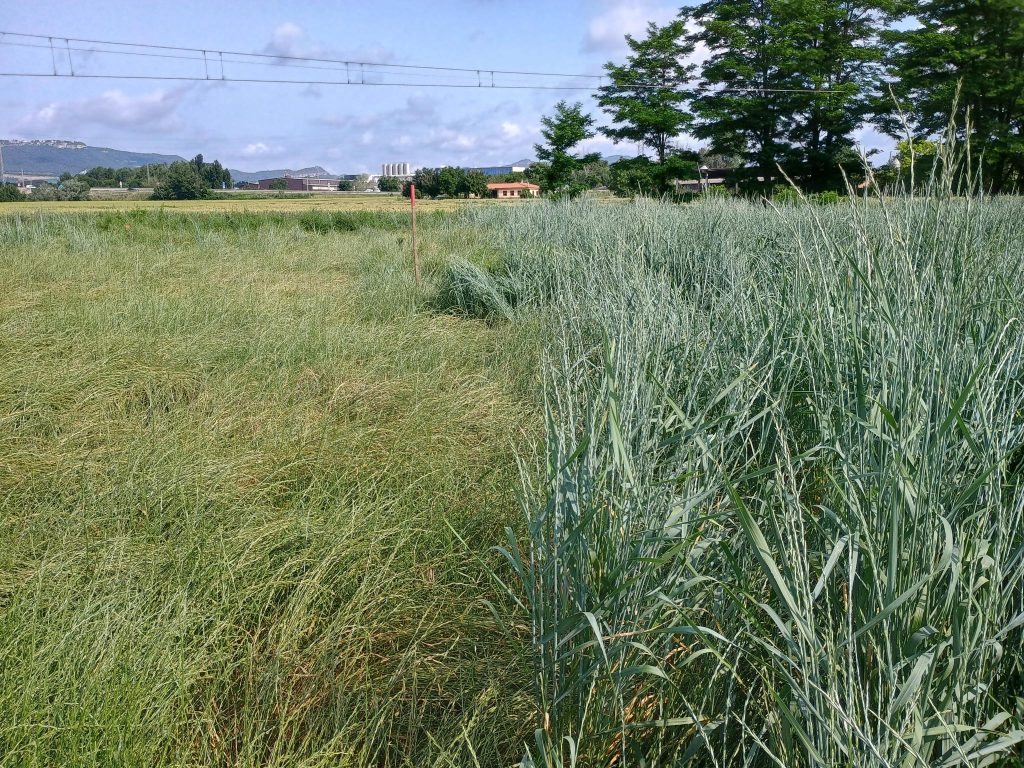
11 – Pilot cultivation of Kernza® in Spain- Lessons learned for future COUSIN trials
A pilot cultivation of Kernza® in Spain assessed the potential of this perennial grain under Mediterranean conditions. The COUSIN Project documents key agronomic lessons on establishment, crop management, and adaptation, providing practical guidance to support future field trials and the wider adoption of resilient perennial cropping systems.
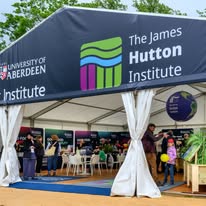
Barley CWRs presented at Royal Highland Show
COUSIN partners from the James Hutton Institute presented findings from their work in the project on developing novel crosses between CWRs of barley and elite lines at the Royal Highland Show. The event took place in Edinburgh, UK between June 18th-21st 2026 and we...
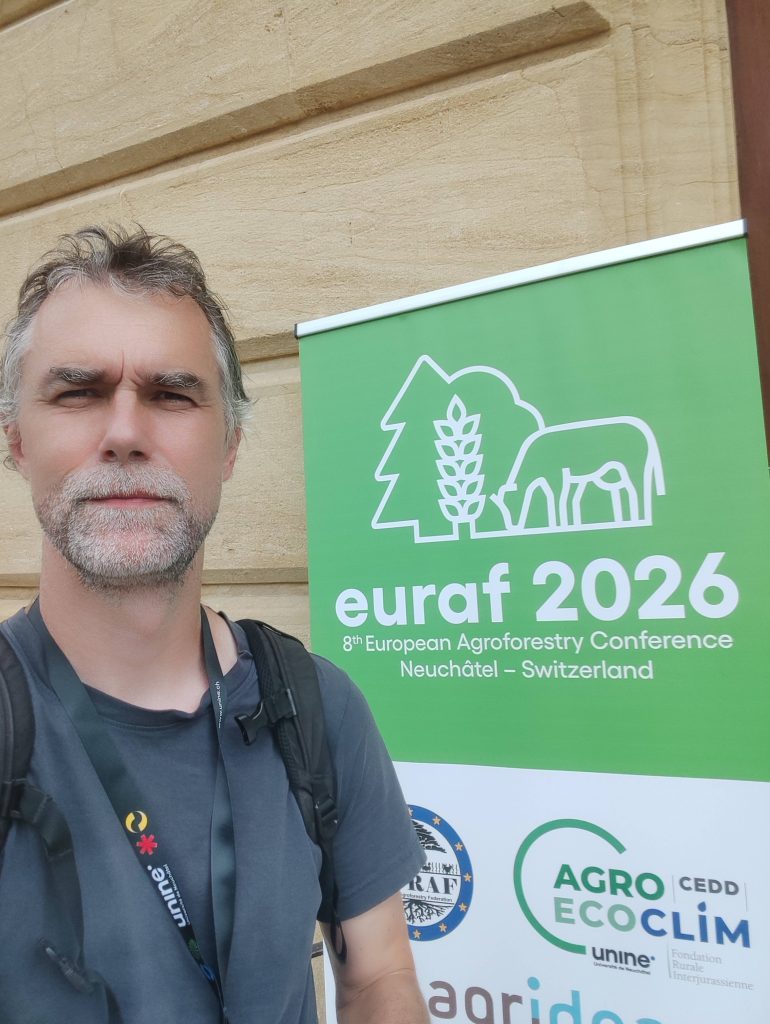
Presentation and the 8th European EURAF conference in Neuchâtel, Switzerland
At the 8th European conference organized by the European Agroforestry Federation in Neuchâtel, Switzerland, Christian Schöb (Universidad Rey Juan Carlos) presented an invited talk in the session "More than simple: increasing tree and shrub complexity in agroforestry"...
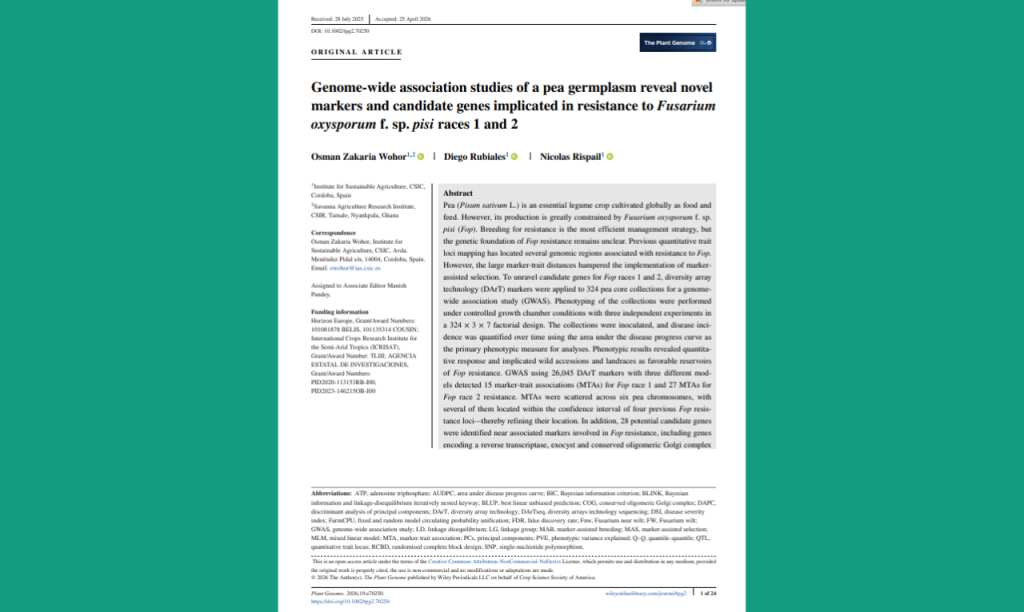
Genome-wide association studies of a pea germplasm reveal novel markers and candidate genes implicated in resistance to Fusarium oxysporum f. sp. pisi races 1 and 2
On May 2026, the scientific journal "The Plant Genome" published an article written by Osman Zakaria Wohor, Diego Rubiales, Nicolas Rispail entitled "Genome-wide association studies of a pea germplasm reveal novel markers and candidate genes implicated in resistance...
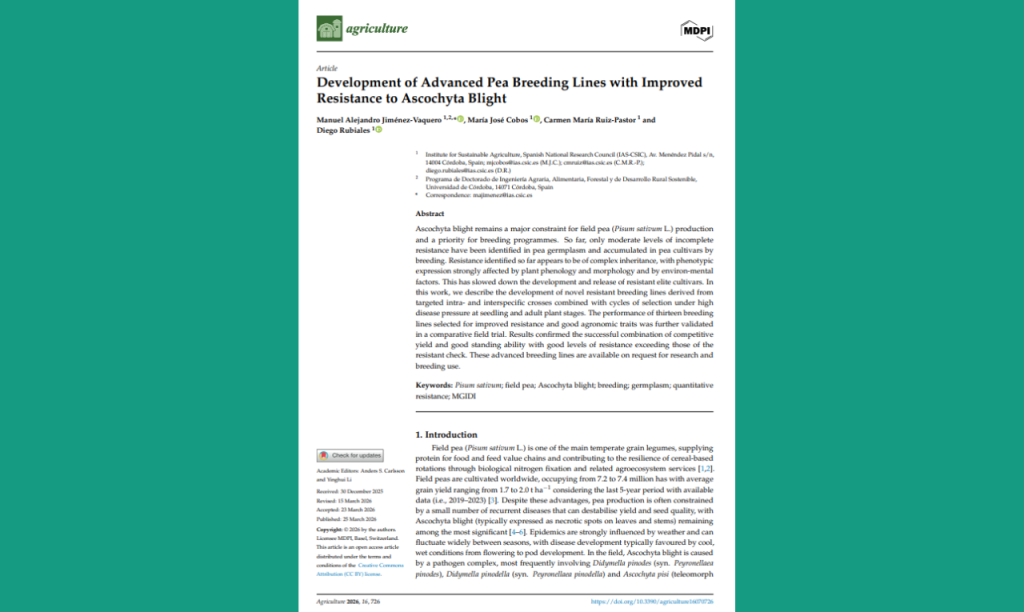
Article reporting development of Ascochyta blight resistant breeding lines
On March 2026, the scientific journal "Agriculture" published an article written by Manuel Alejandro Jiménez-Vaquero,María José Cobos,Carmen María Ruiz-Pastor, and Diego Rubiales entitled "Development of Advanced Pea Breeding Lines with Improved Resistance to...
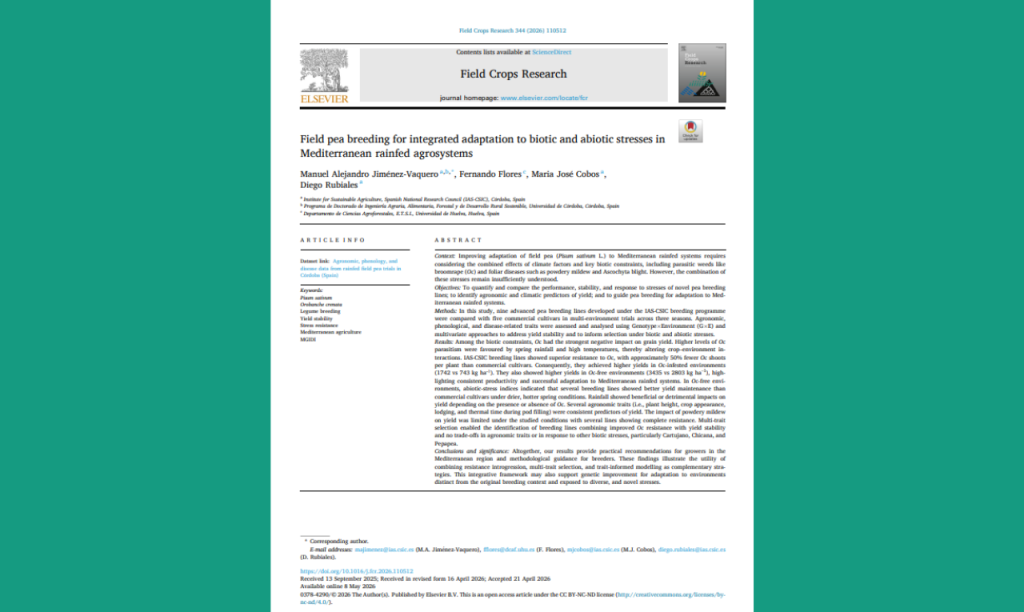
Article reporting field performance of CWR derived pea cultivars
On June 15th, the scientific journal "Field Crops Research" published an article written by Manuel Alejandro Jiménez-Vaquero, Fernando Flores, Maria José Cobos, Diego Rubiales entitled "Field pea breeding for integrated adaptation to biotic and abiotic stresses in...
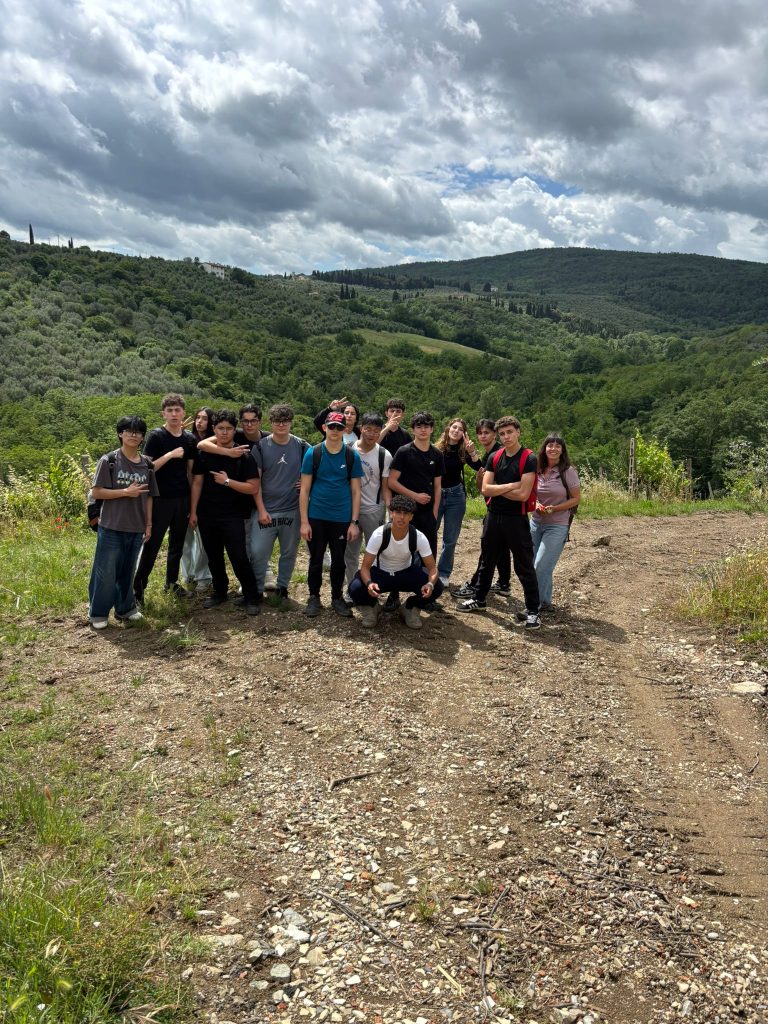
From the field to comics: an educational journey discovering Crop Wild relatives
With the end of the school year, a wonderful educational experience also came to a close, involving students and teaching staff from the Russell Newton institute in a journey to discover biodiversity and the origins of our crops. The initiative, carried out within the...
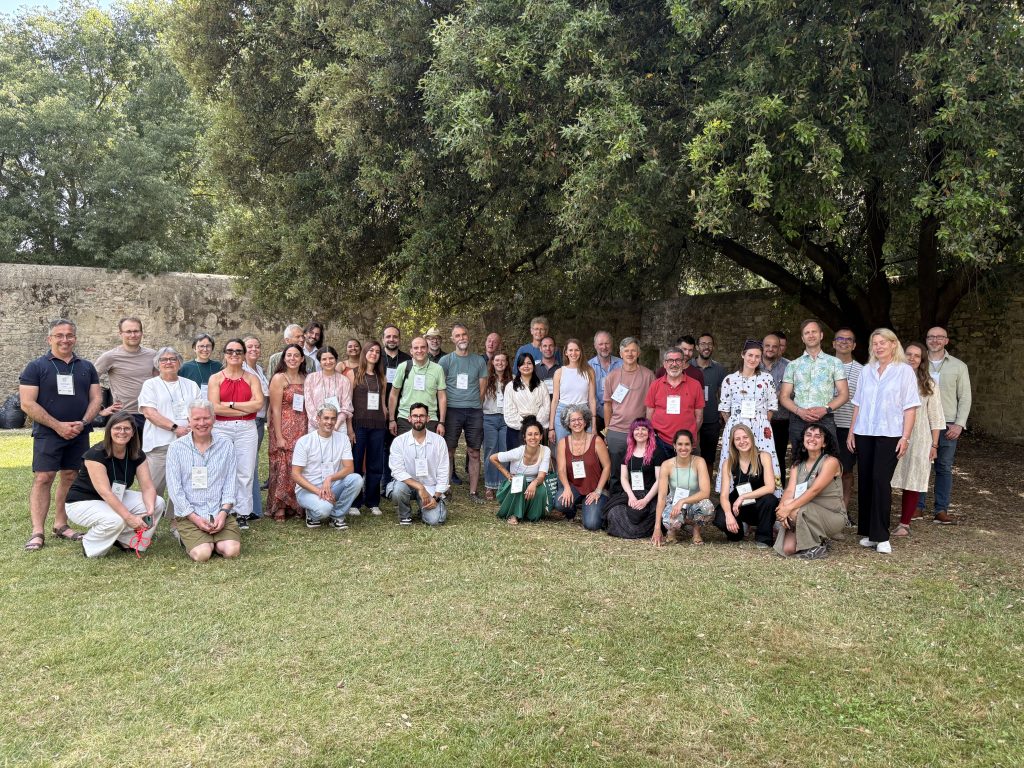
Three days of activities and synergies for the third annual project meeting
The third COUSIN Annual Meeting took place from 25 to 27 May in Scandicci, Italy, and was hosted by the project partner Rete Semi Rurali. The event brought together representatives from across the consortium to review project achievements, exchange knowledge, and...
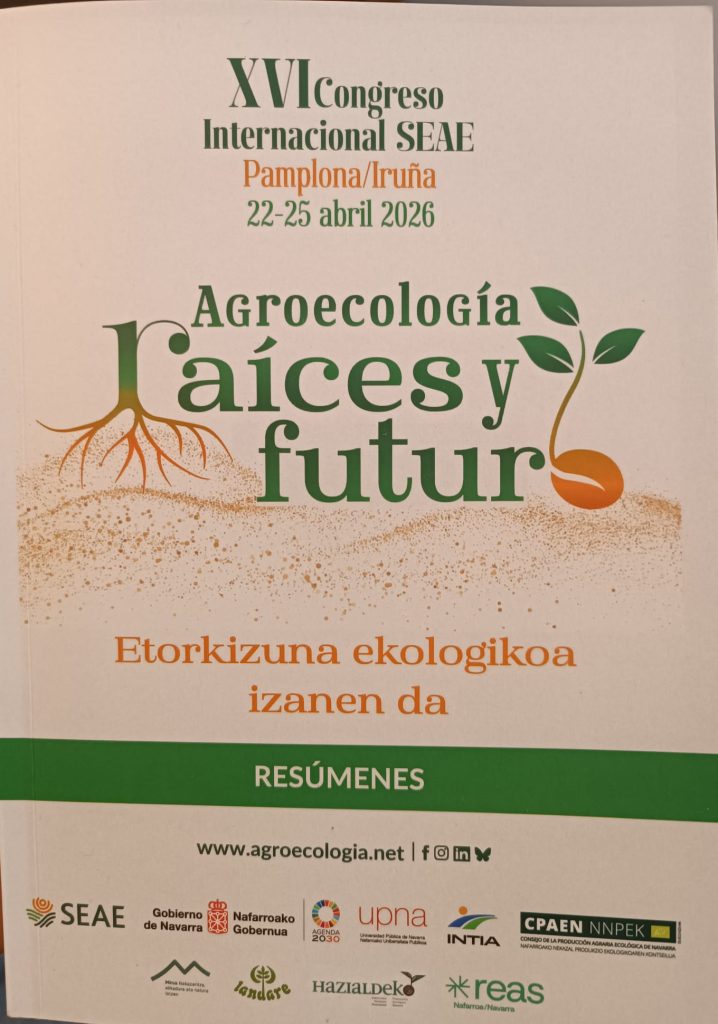
Aprisco’s presentation at the Conference on Agroecology organized by the SEAE in Pamplona
Elisa Pizarro Carbonell of Aprisco participated in the roundtable discussion on the topic “Biodiversity Management in Agroecosystems: Keys to Climate Resilience” as part of the Conference on Agroecology organized by the SEAE in Pamplona from April 22 to 25. Elisa...
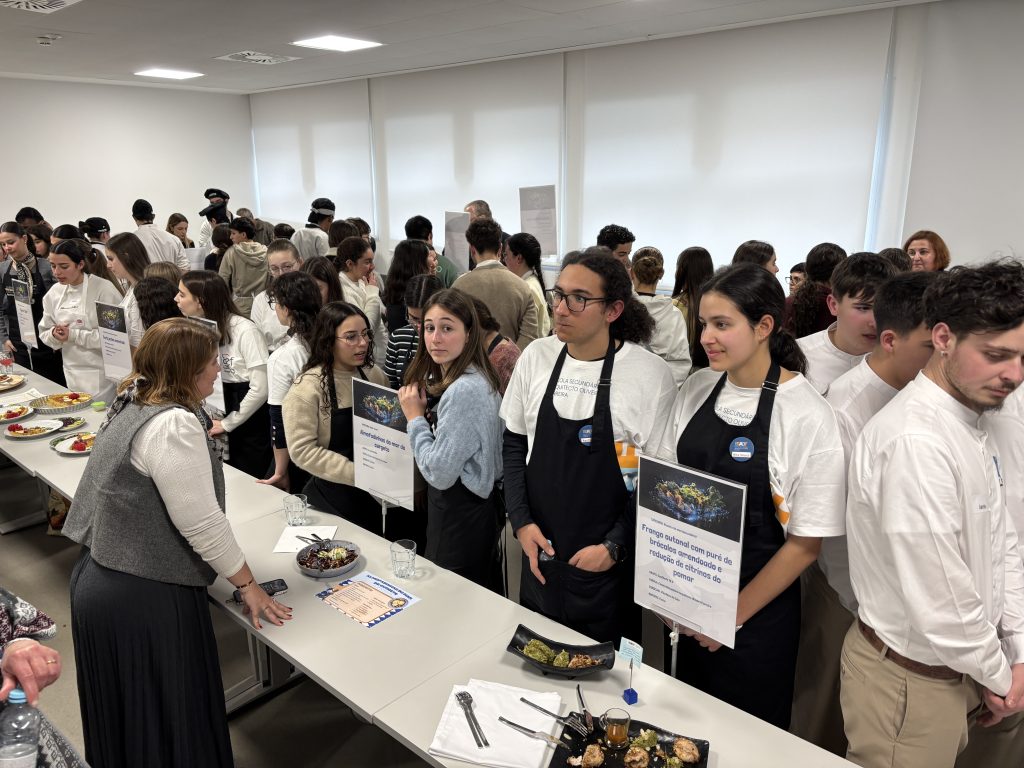
Inventing the food for the future
As part of the 4th edition of Inventar a Alimentação do Futuro (“Inventing the Food of the Future”), promoted by the Escola Superior de Biotecnologia, several student groups took part in an activity designed to encourage reflection on the links between food, health,...