
News and Events
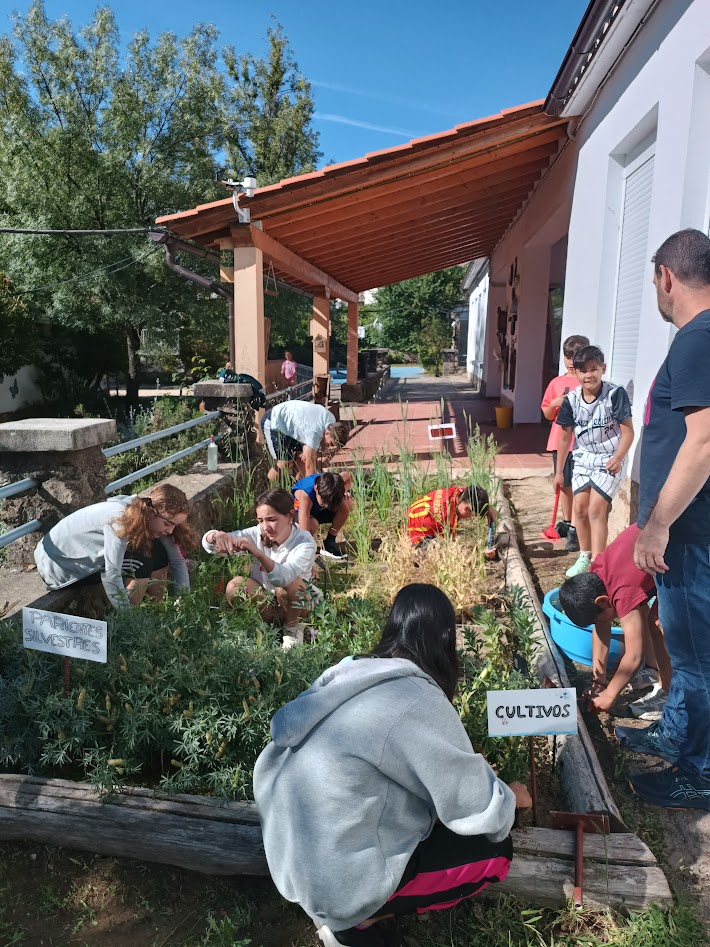
20 – Benefits of Crop Wild Relatives in-situ conservation to ruralcommunities – CWRs as a key player for active, innovative and outdoor rural education
The conservation ofCWRs is closely linked to rural communities, where land use change and rural depopulation can threaten in situ populations. The COUSIN Project demonstrates how participatory education initiatives between researchers and rural schools can raise awareness of CWR value, foster co-creation of learning activities, and strengthen the connection between biodiversity conservation and local communities.
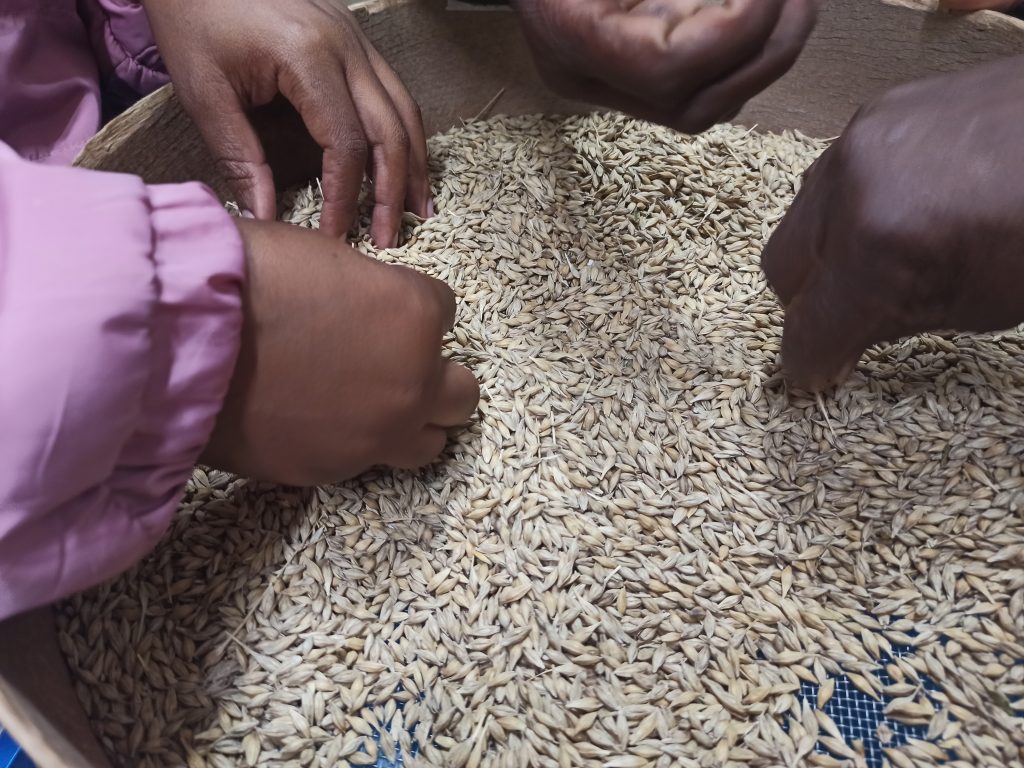
19 – Digital Object Identifiers (DOI) for Crop Wild Relatives – Standardizing CWRs identification globally
The transfer of CWRs between institutions is often hindered by inconsistent local identifiers, limiting traceability and data sharing. The COUSIN Project highlights the FAO Global Information System (GLIS) and its Digital Object Identifier (DOI) system as a solution for creating permanent, interoperable identifiers that link CWR material to its associated data across conservation and breeding networks.
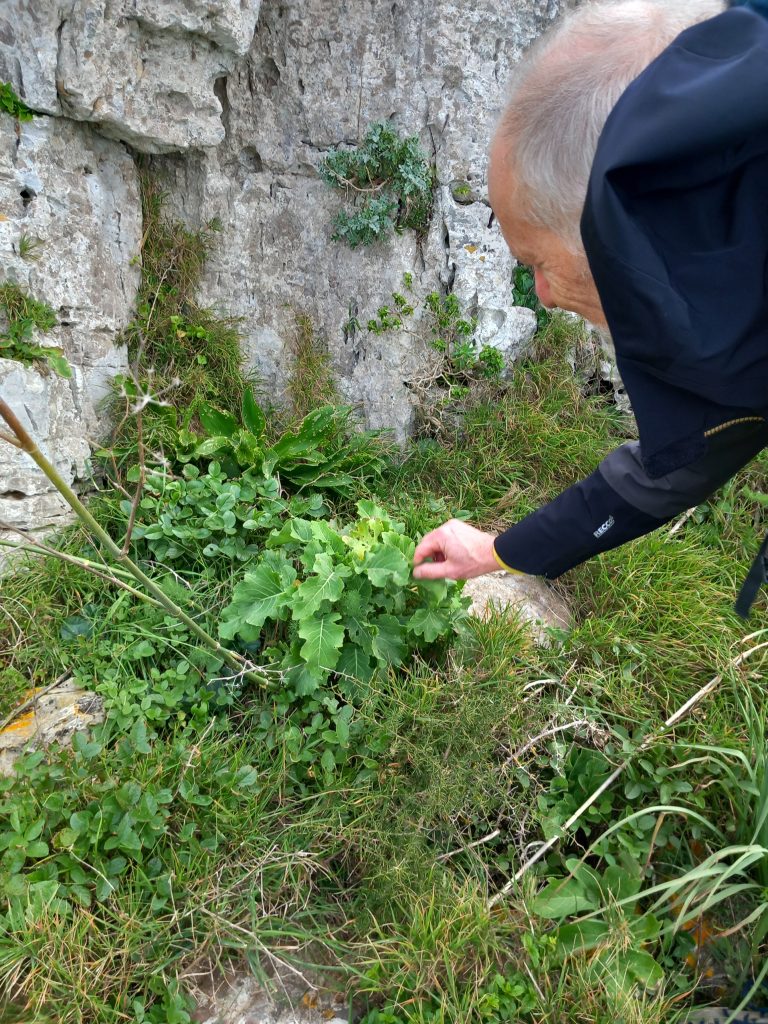
18 – Crop Wild Relatives descriptors – How to describe and document CWRs conserved in situ
The effective conservation and use of CWRs requires not only protection in their natural habitats but also standardized data systems for documenting their in situ populations. The COUSIN Project highlights key international and European descriptor frameworks, supporting harmonised recording of CWR populations to ensure data compatibility, traceability, and integration across conservation and breeding databases.
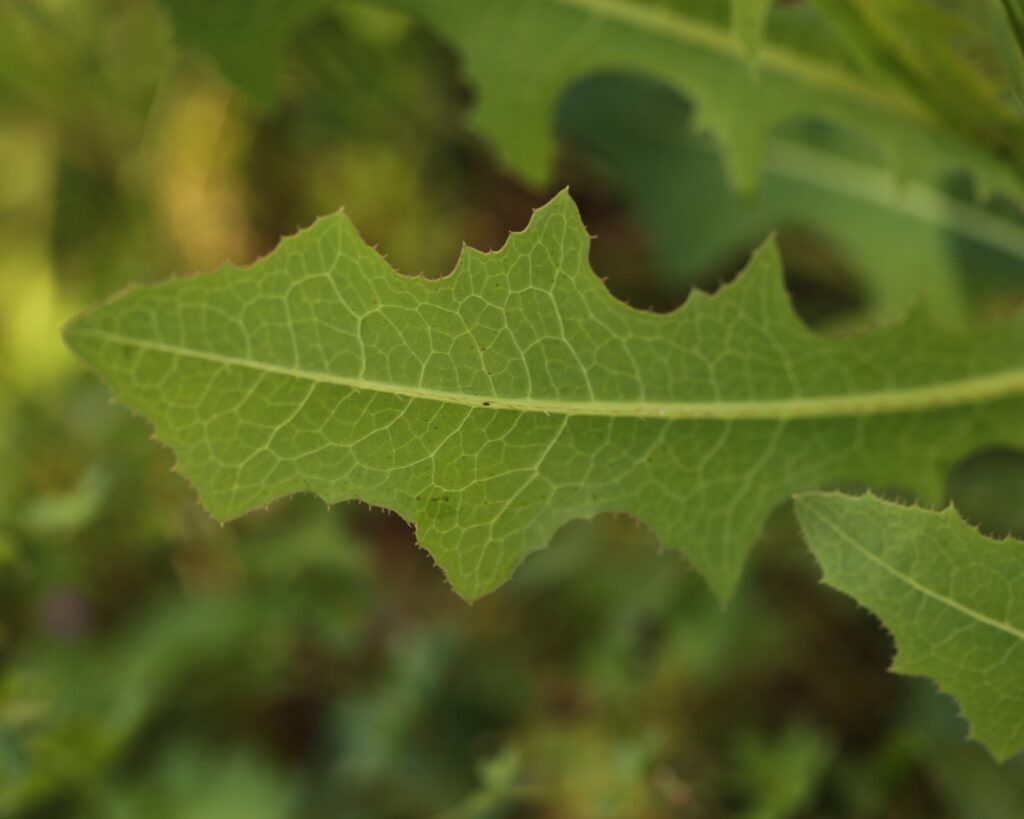
17 – Collecting Crop Wild Relatives, legal aspect – Navigating EU and International legal frameworks for CWRs collection and exchange
The conservation and collection CWRs are increasingly important for sustainable agriculture and climate resilience, but are governed by complex legal frameworks. The COUSIN Project provides an overview of international and EU regulations, including access and benefit-sharing requirements, supporting compliant and responsible use of CWR genetic resources in research and breeding.
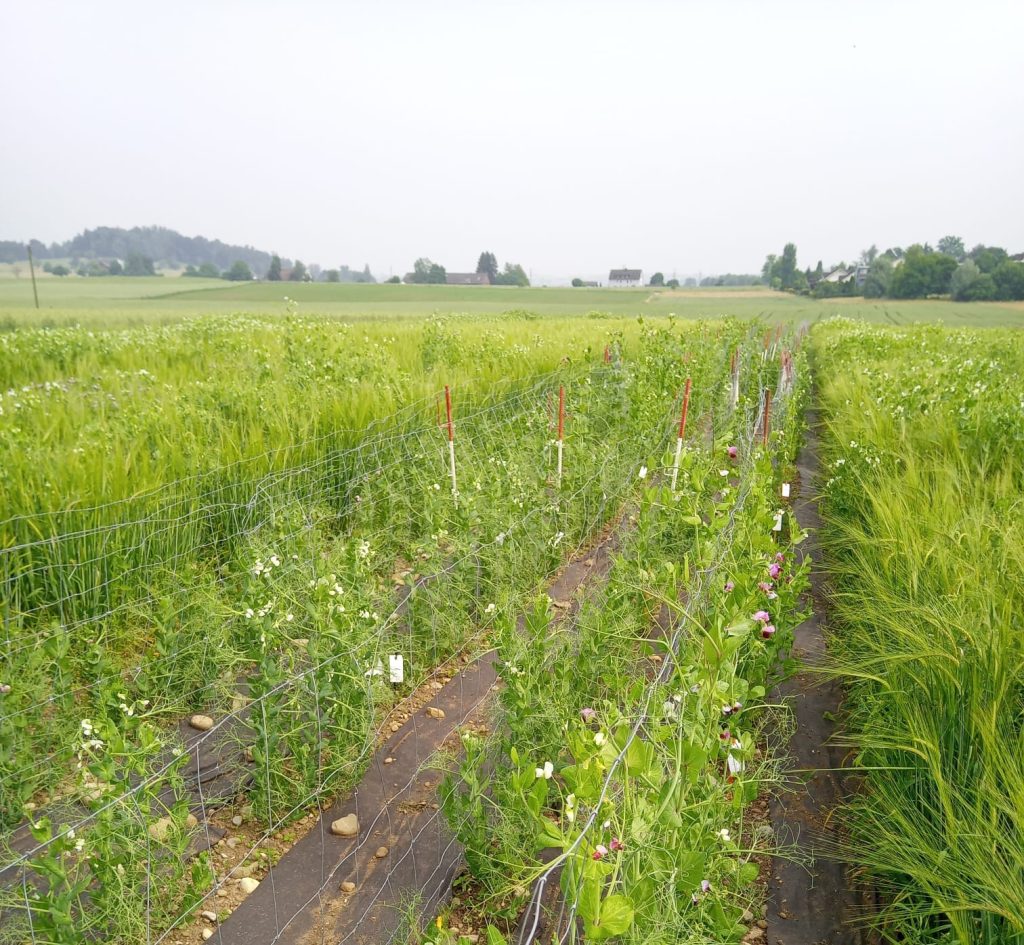
16 – Screening Crop Wild Relatives of Pea under field conditions – Improving on-field phenotyping of Pea-CWR with a fence-based system
Reliable phenotyping of pea crop wild relatives (CWRs) and breeding progeny is essential for effective selection in plant breeding, but field conditions often limit the assessment of individual plants. The COUSIN Project presents a fence-supported field screening system that improves the evaluation of pea genotypes under realistic growing conditions, enabling more precise selection for plant architecture, health and agronomic performance.
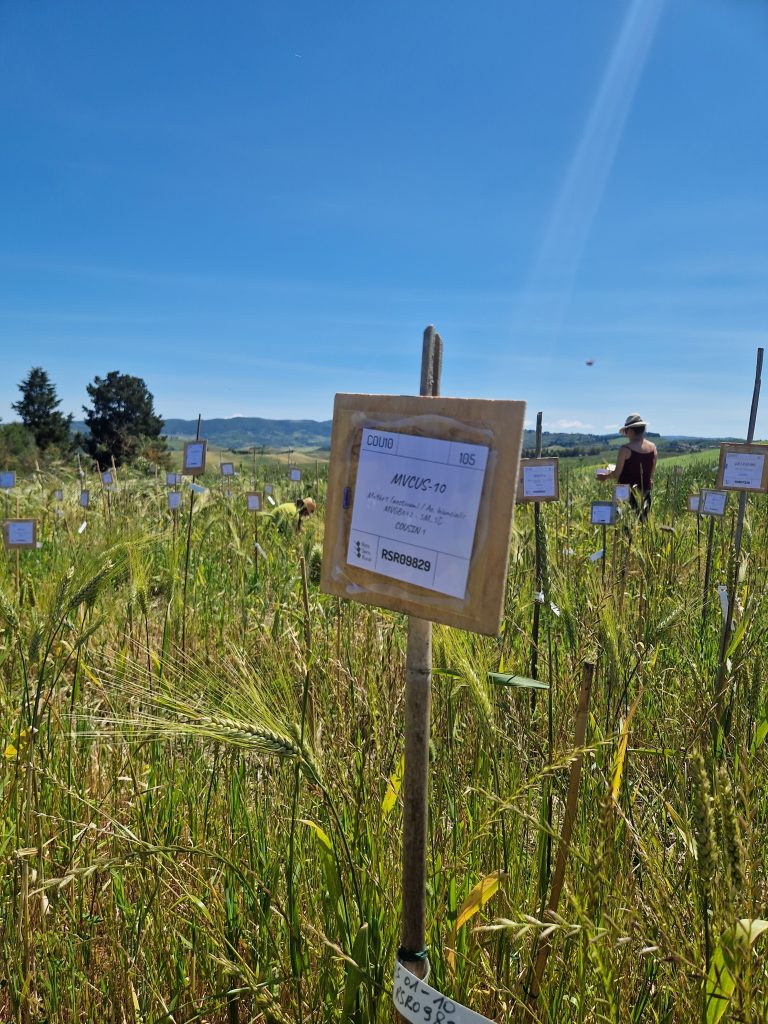
15 – How genomics can help to unlock wild genetic potential for crop improvment
Modern crops have lost valuable genetic diversity through domestication, while crop wild relatives (CWRs) retain traits important for resilience and adaptation. The COUSIN Project provides high-quality genomic resources and maps for multiple CWR species, enabling the identification of beneficial genes and supporting their targeted introgression into modern crops to accelerate breeding for improved performance and resistance.
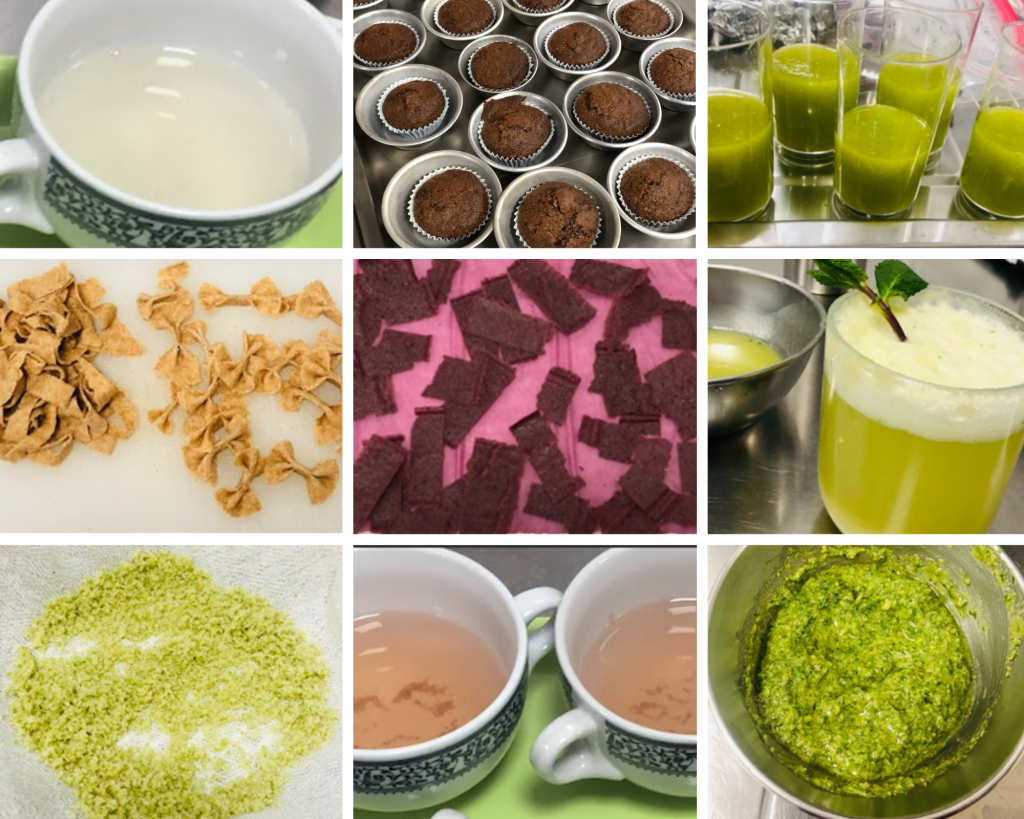
14 – Using Crop Wild Relatives in innovative food products – Translating crop diversity into practical food application
Crop wild relatives (CWRs) and CWR-derived materials from barley, wheat, pea and lettuce offer underused potential for innovative food product development. The COUSIN Project demonstrates how these resources can be incorporated into a range of food applications, supporting the creation of more diverse, nutritious and sustainable food systems.
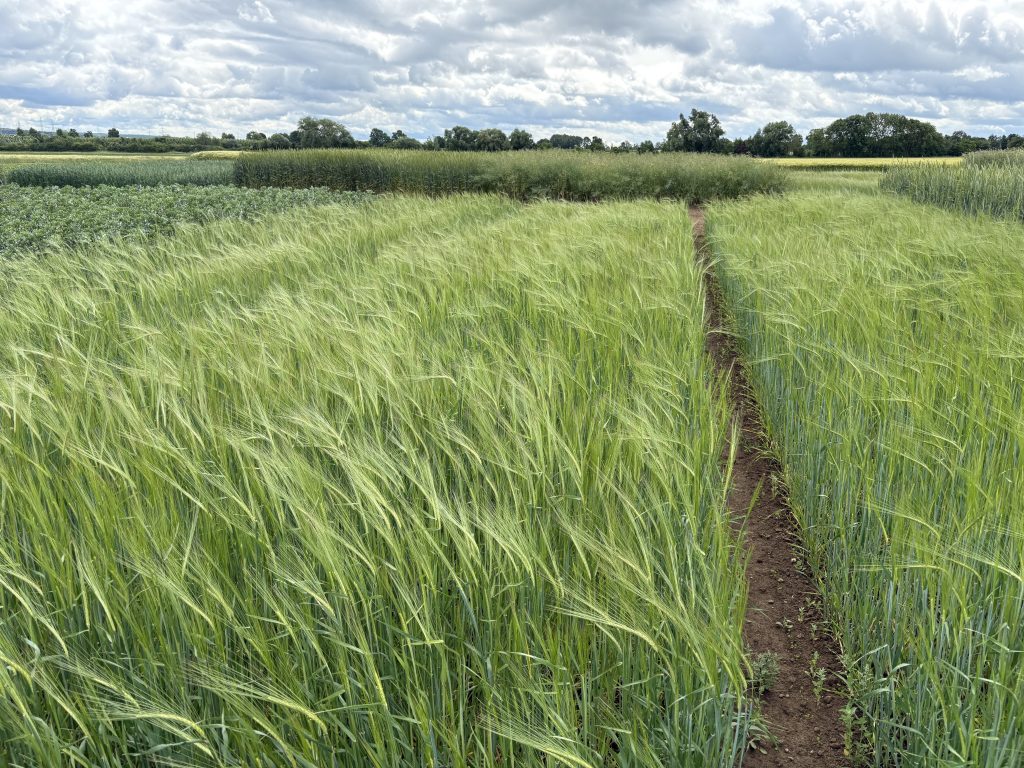
13 – Nutritional value of Crop Wild Relatives (CWRs) – Using barley diversity to support better food quality
Barley crop wild relatives (CWRs) offer valuable genetic diversity for improving the nutritional quality of future barley varieties. The COUSIN Project highlights variation in key nutritional traits, supporting the identification of promising breeding materials for healthier, more resilient, and sustainable cropping and food systems.
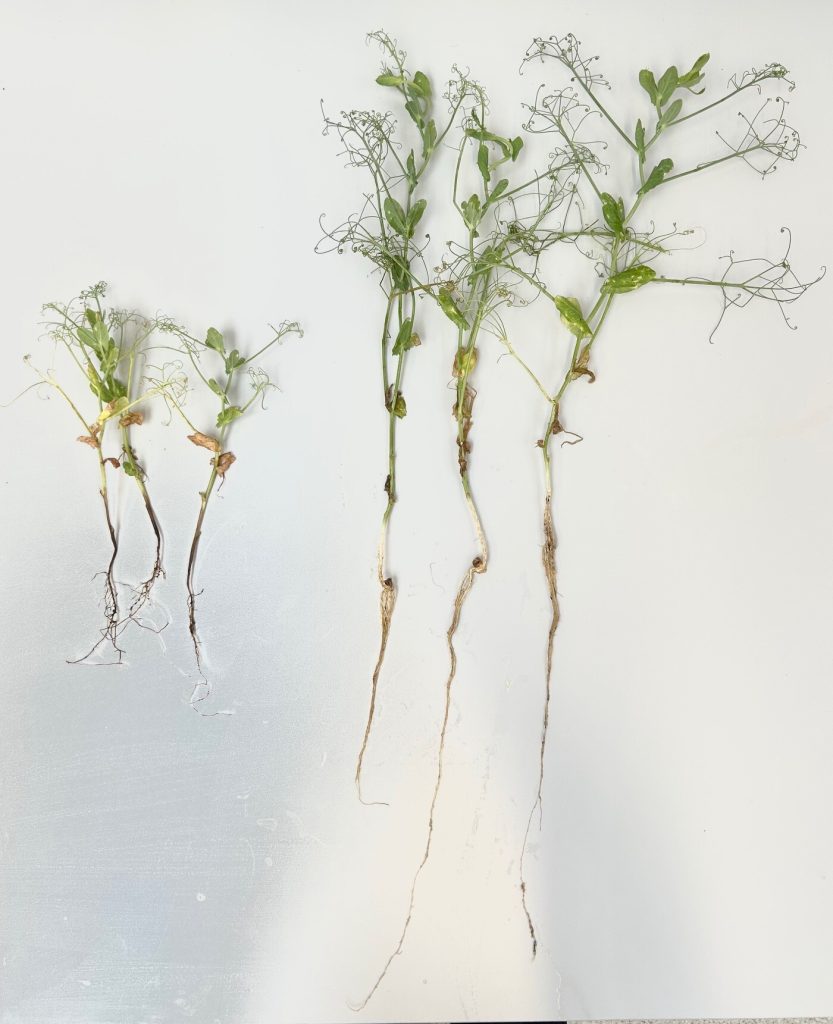
12 – Testing soil for the presence of Aphanomyces euteiches – A. euteiches is the causal agent of Aphanomyces root rot in peas
This practice presents a protocol for testing soil for the presence of Aphanomyces euteiches, the causal agent of pea root rot. The COUSIN Project provides practical guidance on disease risk assessment using a soil bioassay, supporting field selection, crop management, and the evaluation of pea crop wild relatives for improved resistance to root rot.
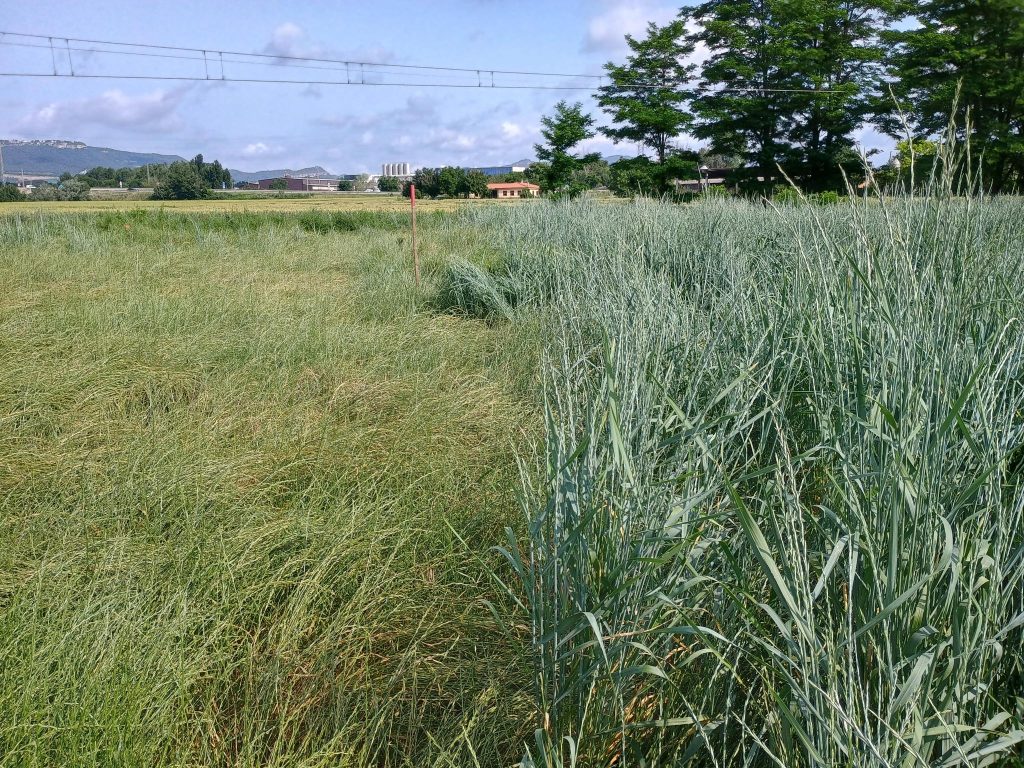
11 – Pilot cultivation of Kernza® in Spain- Lessons learned for future COUSIN trials
A pilot cultivation of Kernza® in Spain assessed the potential of this perennial grain under Mediterranean conditions. The COUSIN Project documents key agronomic lessons on establishment, crop management, and adaptation, providing practical guidance to support future field trials and the wider adoption of resilient perennial cropping systems.

Barley CWRs presented at Royal Highland Show
COUSIN partners from the James Hutton Institute presented findings from their work in the project on developing novel crosses between CWRs of barley and elite lines at the Royal Highland Show. The event took place in Edinburgh, UK between June 18th-21st 2026 and we...
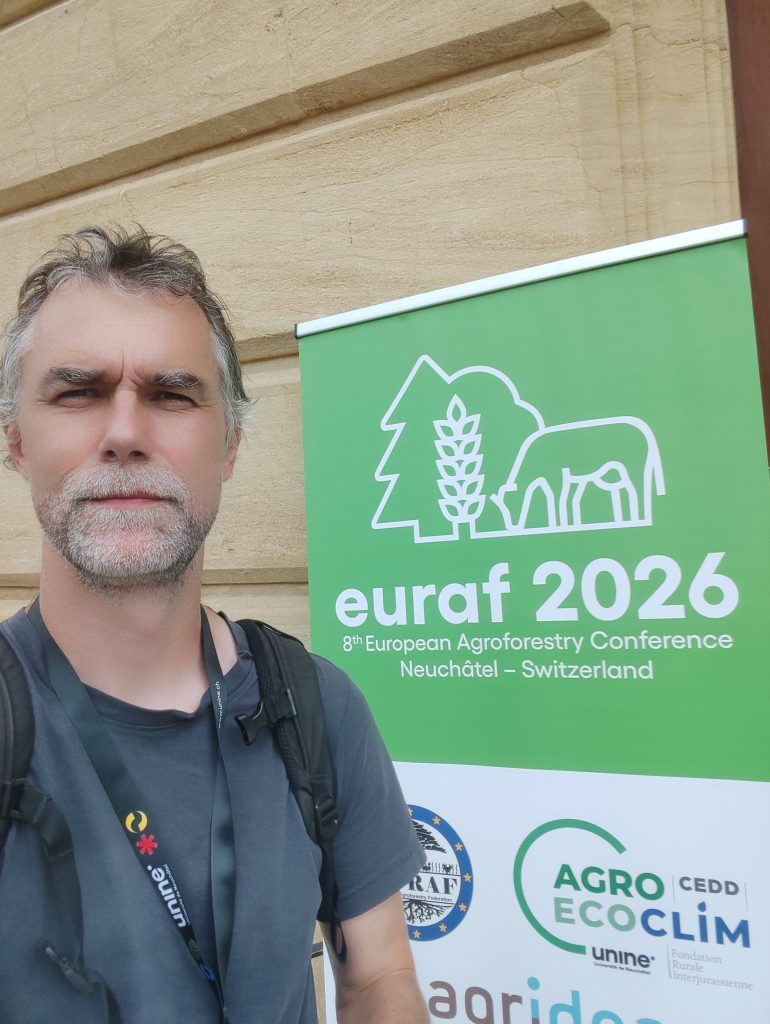
Presentation and the 8th European EURAF conference in Neuchâtel, Switzerland
At the 8th European conference organized by the European Agroforestry Federation in Neuchâtel, Switzerland, Christian Schöb (Universidad Rey Juan Carlos) presented an invited talk in the session "More than simple: increasing tree and shrub complexity in agroforestry"...
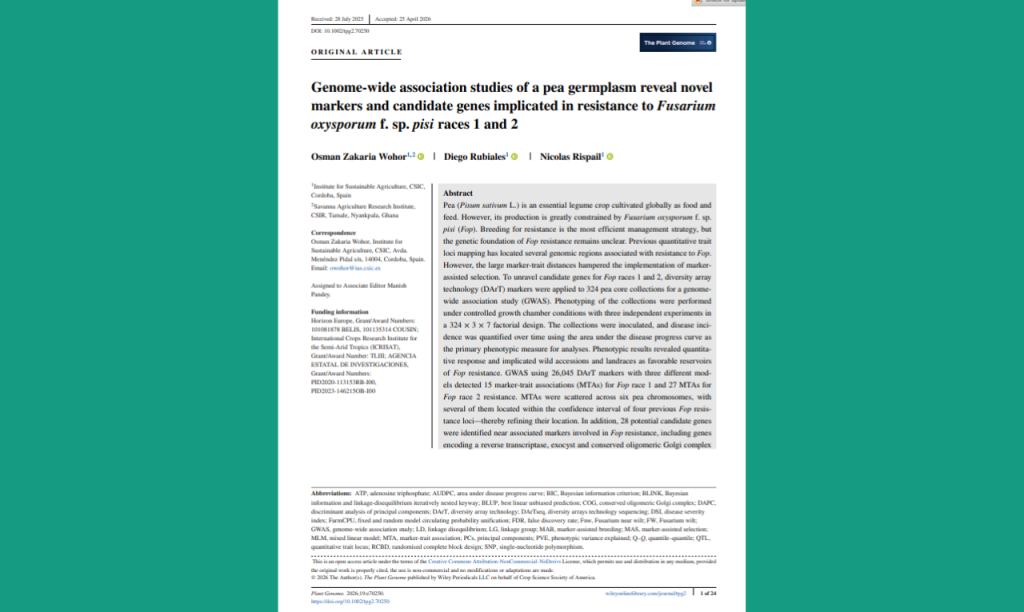
Genome-wide association studies of a pea germplasm reveal novel markers and candidate genes implicated in resistance to Fusarium oxysporum f. sp. pisi races 1 and 2
On May 2026, the scientific journal "The Plant Genome" published an article written by Osman Zakaria Wohor, Diego Rubiales, Nicolas Rispail entitled "Genome-wide association studies of a pea germplasm reveal novel markers and candidate genes implicated in resistance...
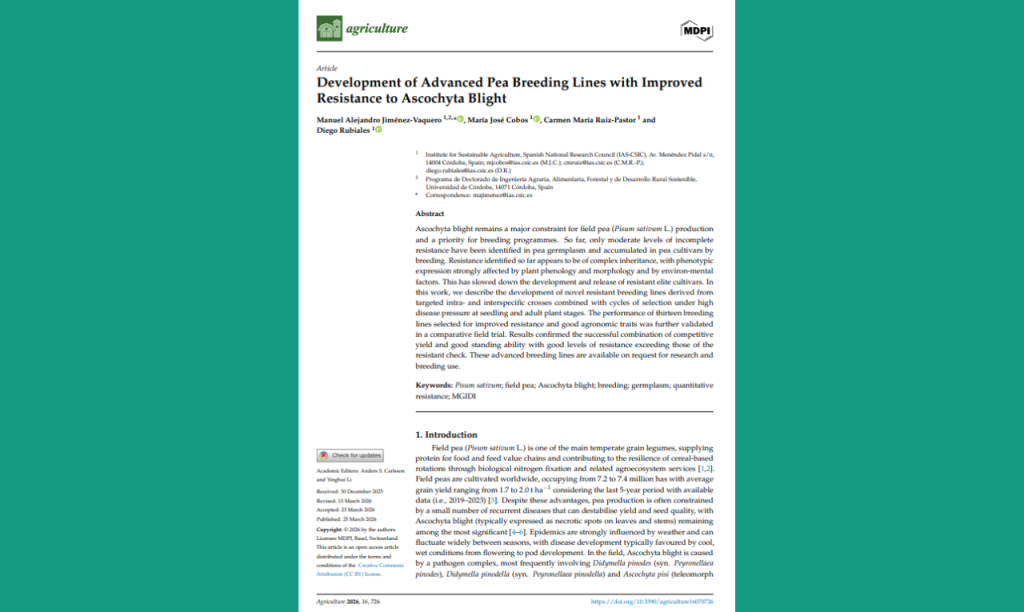
Article reporting development of Ascochyta blight resistant breeding lines
On March 2026, the scientific journal "Agriculture" published an article written by Manuel Alejandro Jiménez-Vaquero,María José Cobos,Carmen María Ruiz-Pastor, and Diego Rubiales entitled "Development of Advanced Pea Breeding Lines with Improved Resistance to...
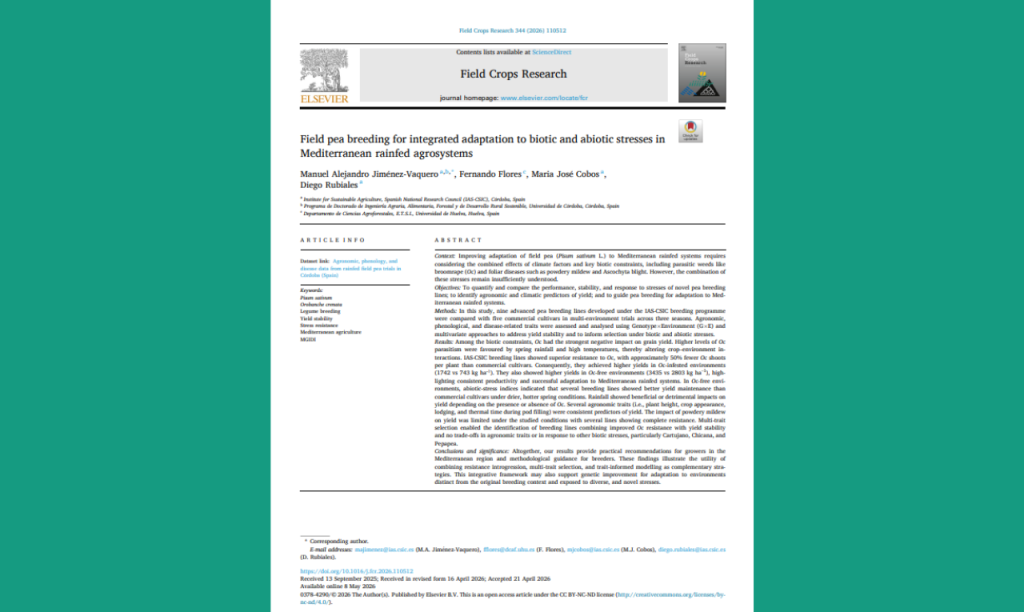
Article reporting field performance of CWR derived pea cultivars
On June 15th, the scientific journal "Field Crops Research" published an article written by Manuel Alejandro Jiménez-Vaquero, Fernando Flores, Maria José Cobos, Diego Rubiales entitled "Field pea breeding for integrated adaptation to biotic and abiotic stresses in...