
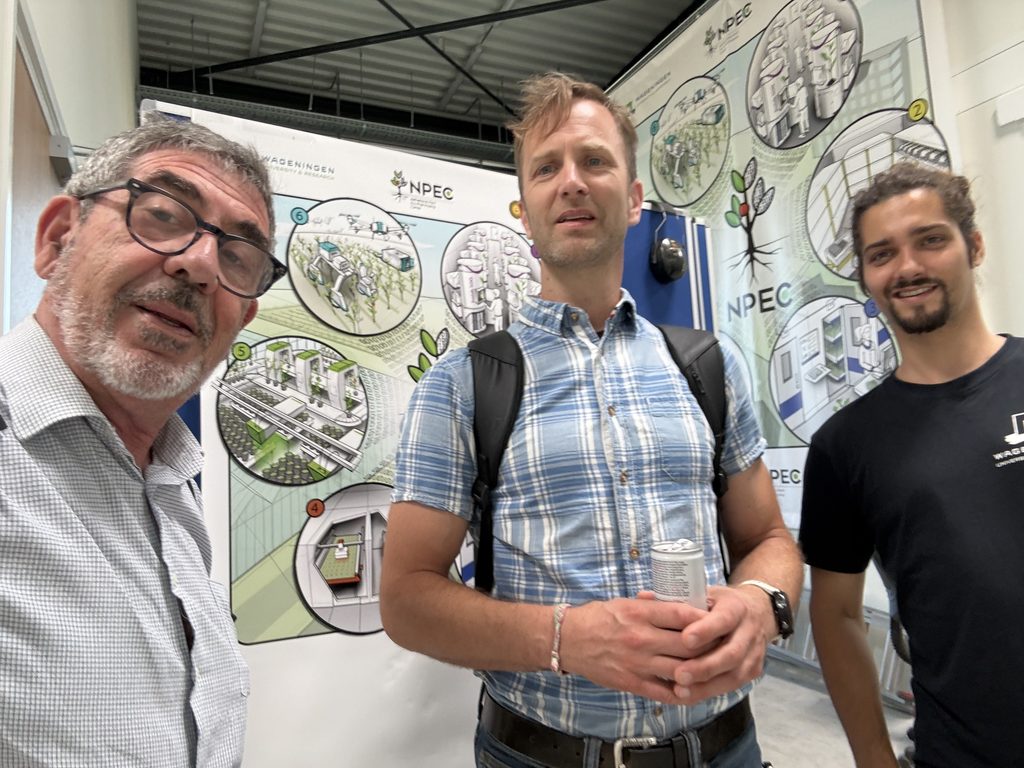
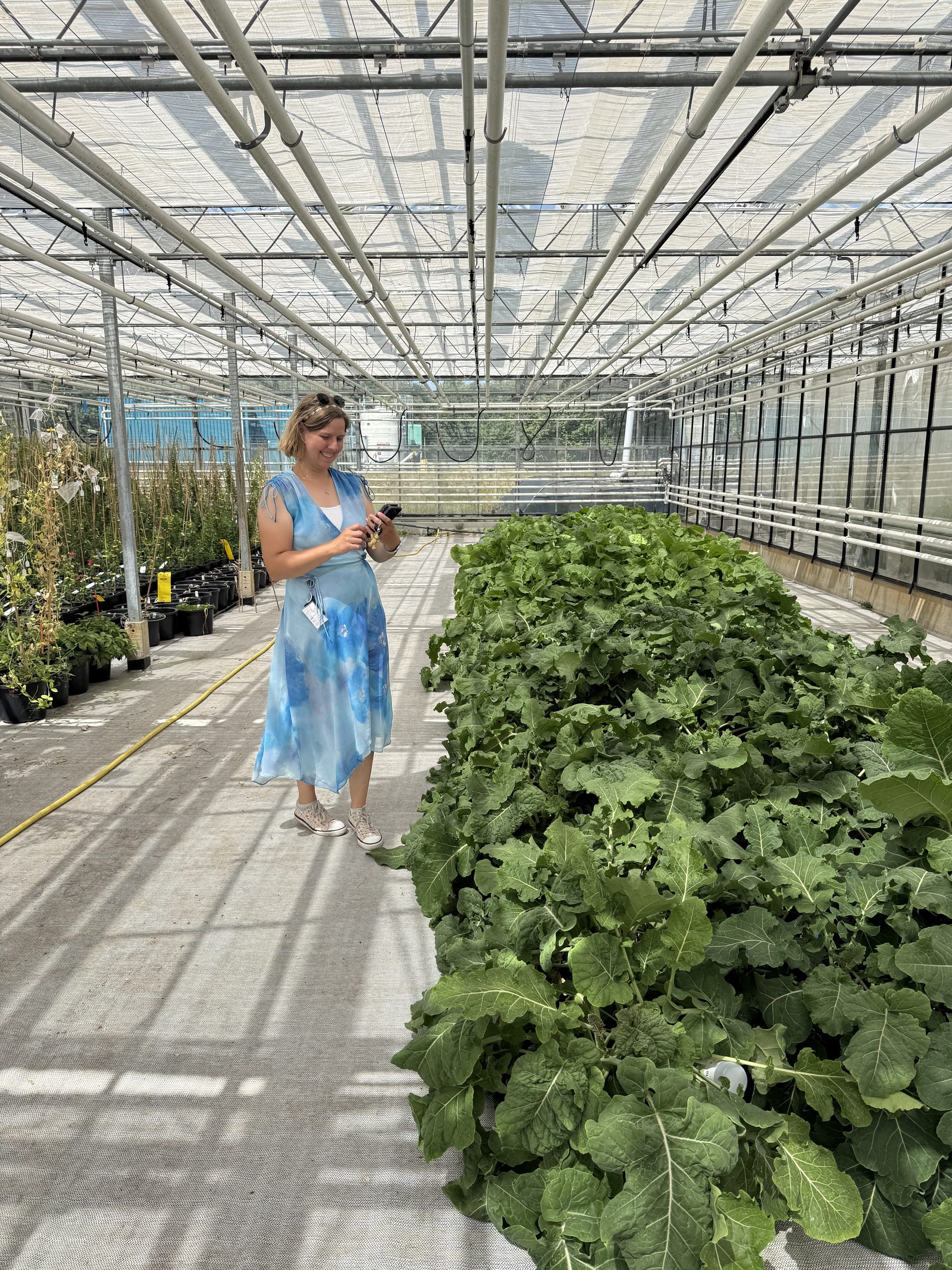
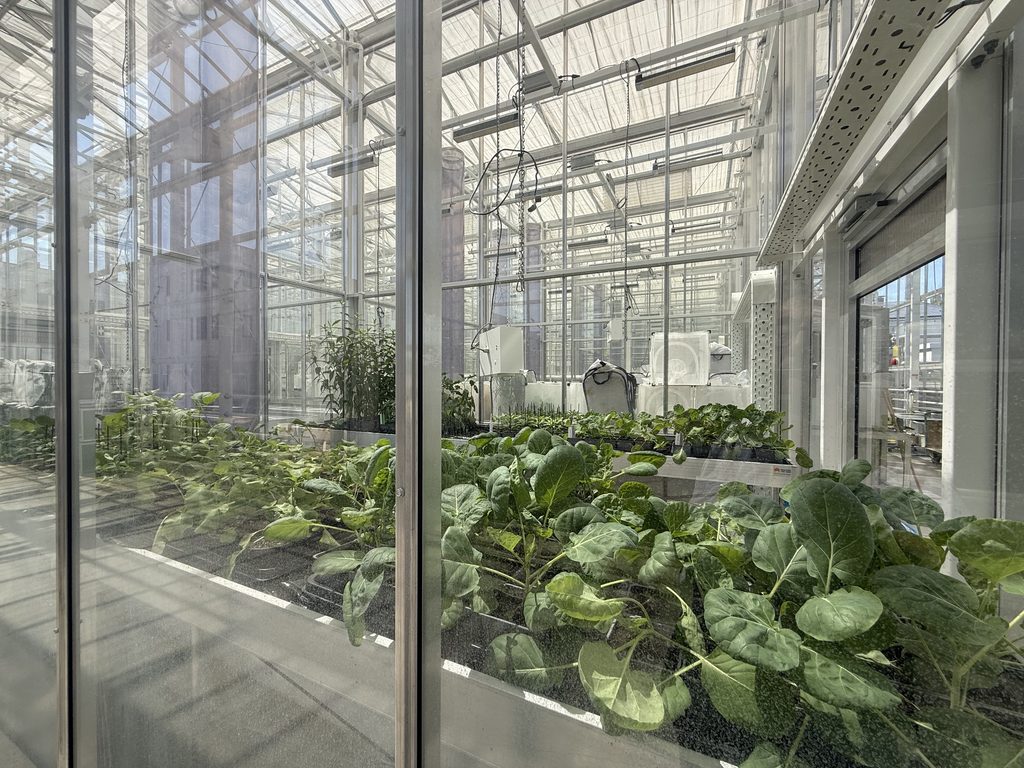
During July 2026, Prof. Ferdinando Branca, Prof. of Vegetable and Flower Crops at the Dipartimento di Agricoltura, Alimentazione e Ambiente (Di3A) of the University of Catania, met on the 13th of July at the NPEC with Dr. Rick van Zedde, for visiting the phenotyping equipment at the Radix building and for discussing the several methodologies adopted and sensors utilised for detecting the status of the plant root/canopy progress during the experimental trials.
In addition, were discussed the first results of the phenotyping trial conducted in collaboration with the University of Catania for evaluating the variation of the main bio-morphological and biochemical traits and, at the same time, of several multispectral data of interest for detecting also the physiological status of the plant during drought stress. This experimental trial was conducted at the Netherlands Plant Eco-phenotyping Centre (NPEC), Wageningen University & Research, WUR (The Netherlands). The experiment started in early March 2026 with the sowing of eight Brassica accessions from the active germplasm collection of the Di3A of the University of Catania, and concluded at the end of June 2026 with plant sampling for subsequent biochemical and transcriptomic analyses.
The plant material comprised four crop wild relatives (CWRs), namely Brassica macrocarpa Guss. (BM, UNICT5289), B. villosa Biv. (BIV, UNICT5335), B. incana Ten. (BY, UNICT5180), and B. drepanensis (Caruel) Damanti (BD, UNICT5189), together with four cultivated B. oleracea morphotypes: cauliflower (B. oleracea var. botrytis, CV, UNICT5359), broccoli (B. oleracea var. italica, BR, UNICT5360), kale (B. oleracea var. acephala, BH, UNICT5361), and kohlrabi (B. oleracea var. gongylodes, CR, UNICT5362).
Plants were transplanted on 18 May 2026 and arranged in a completely randomized design comprising eight genotypes, four treatments, and three biological replicates, with three plants per replicate. The four experimental treatments consisted of: (i) well-watered plants (W), (ii) drought-stressed plants (D), (iii) drought-stressed plants treated with jasmonic acid (D + JA), and (iv) well-watered plants treated with jasmonic acid (W + JA).
Jasmonic acid was first applied on 26 May 2026, while drought stress was initiated on 27 May 2026 through a gradual reduction in irrigation, decreasing water supply from 70% to 50% and subsequently to 30% over the following days until the target soil water content was reached. Throughout the stress period, plants were monitored using the automated high-throughput phenotyping platform. RGB imaging, MaxiMARVIN imaging, and chlorophyll fluorescence measurements were acquired repeatedly to assess plant growth and physiological responses under the different water regimes.
At the end of the experiment, plant material was harvested for biochemical characterization and RNA extraction, enabling subsequent transcriptomic analyses aimed at investigating genotype-specific molecular responses to drought stress and jasmonic acid treatment. A good view of the Brassica activities carried out in the frame of the COUSIN project at NPEC are resumed by .
Prof. Branca met during this occasion with Prof. Mark Aarts, who illustrated the phenotyping experiment carried out for lettuce, one of the 5 flagship crops studied by the COUSIN project. Prof. Mark also illustrated the genetic approach and the materials of the ongoing breeding activities carried out by him and his research group. During the visit at WUR, Prof. Branca visited the Centre for Genetic Resources, the Netherlands (CGN), which represents the Dutch genebank and has collected and conserved more than 50,000 accessions of vegetable crops and related allies. Prof. Branca met Dr. Laura Reiniers, curator of the CGN Brassica collection, and she showed the regeneration Brassica fields and the greenhouse and the structures utilised to regenerate the CGN Brassica accessions, with special emphasis on the Brassica oleracea complex species (n=9), such as B. montana, B. cretica, and B. insularis. We discussed the difficulties encountered in their regeneration and the possibility of involving UNICT in regenerating them if more suitable Mediterranean climatic conditions are available.
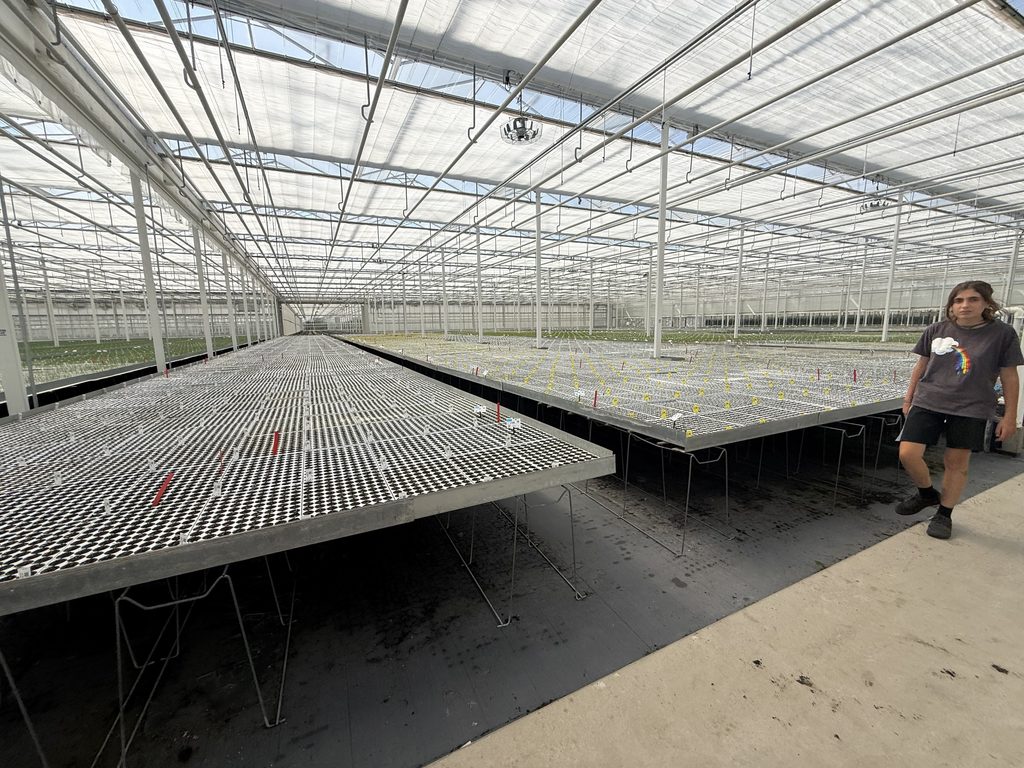
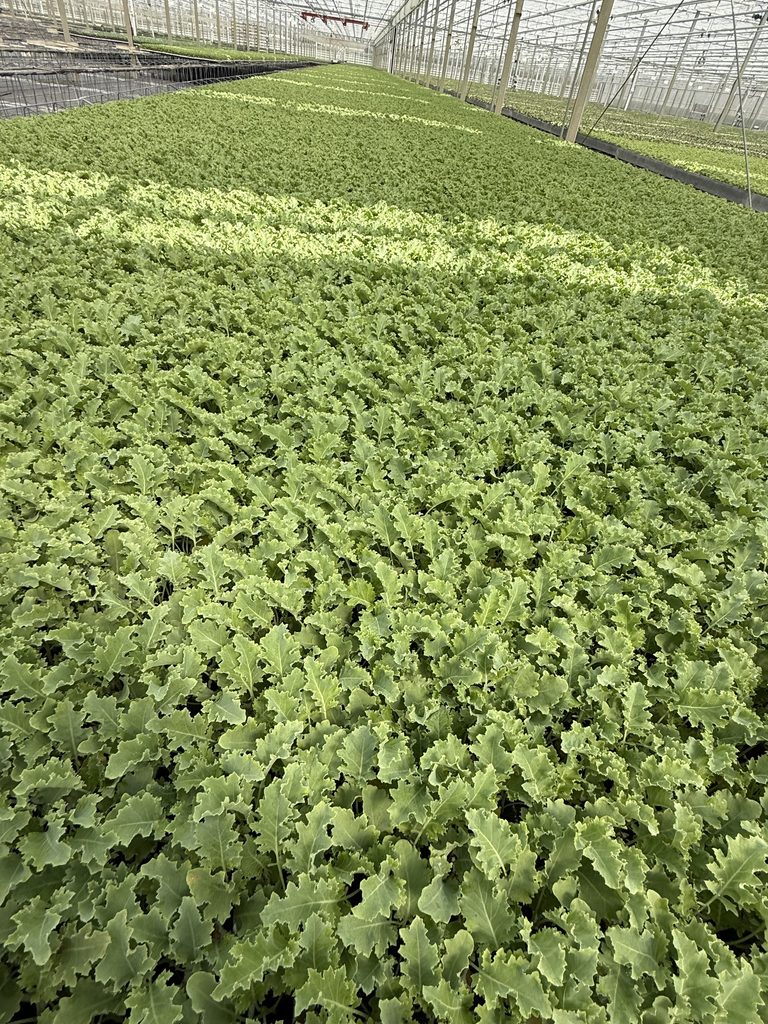
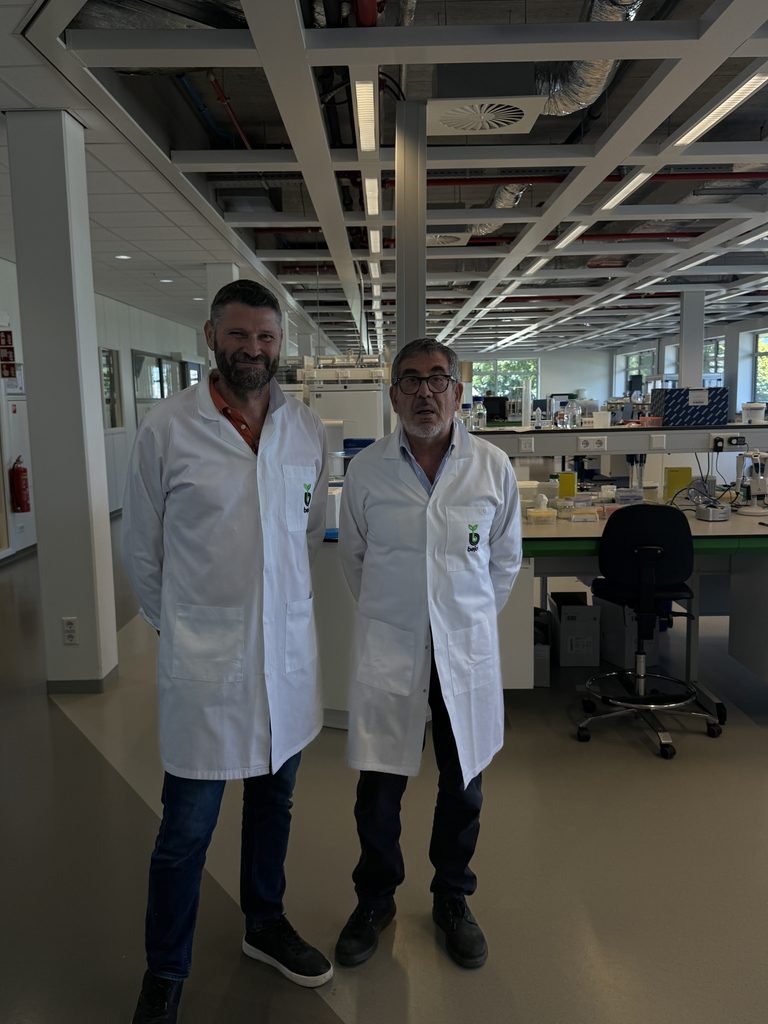
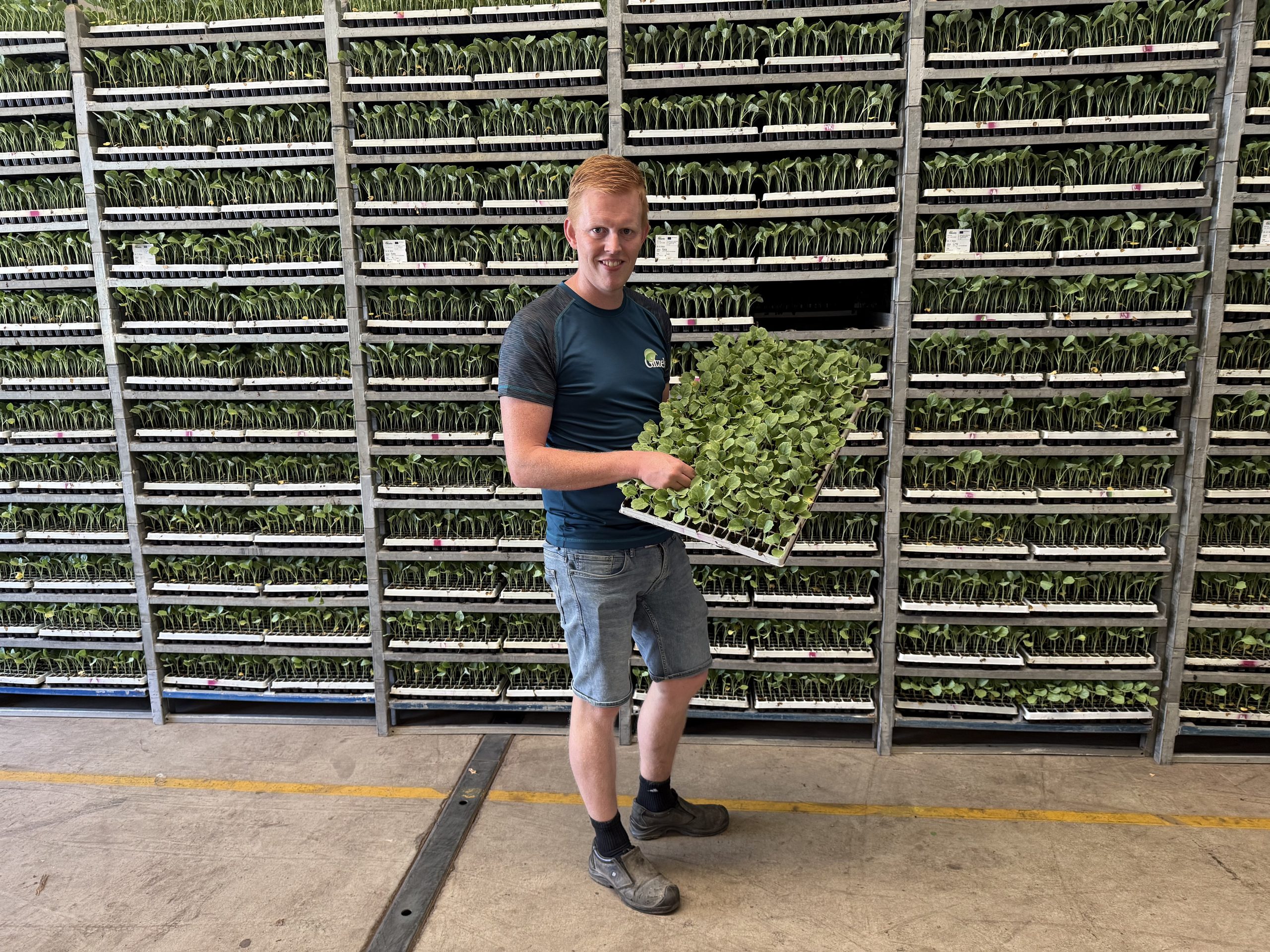
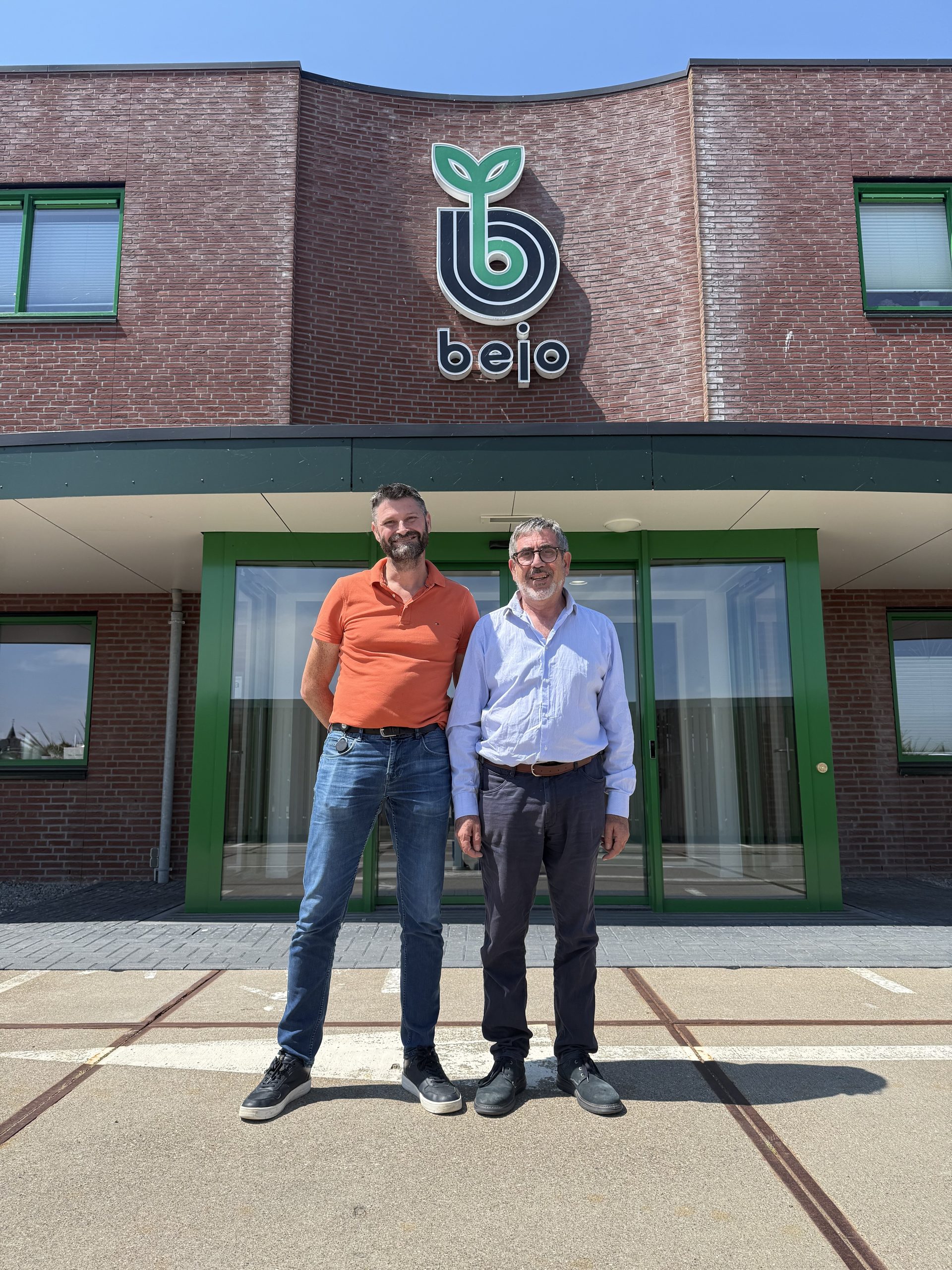
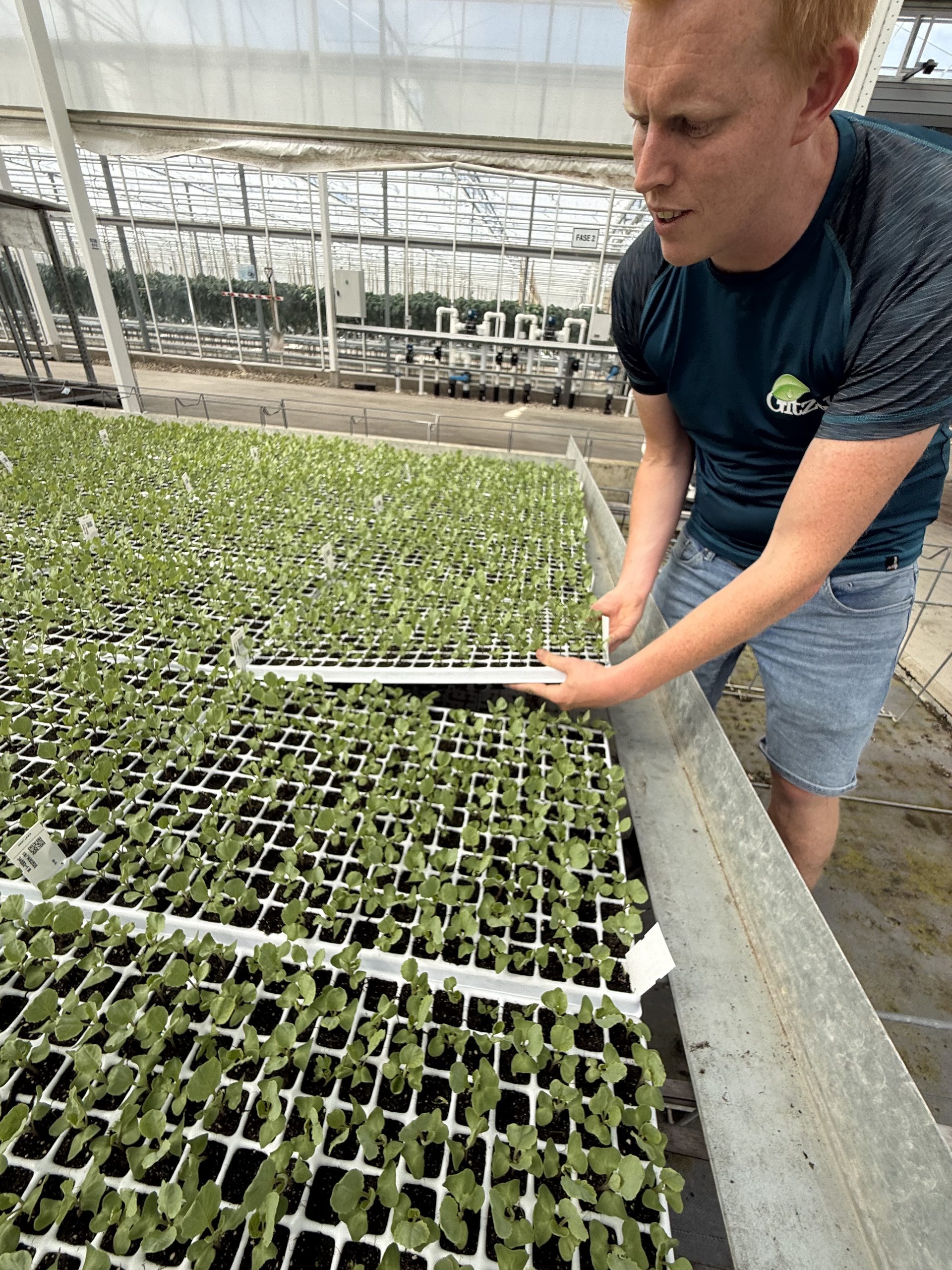
On the 15th July, Prof. Branca met Dr. Laurens Kroon, responsible for R&D at Bejo Zaden (NL), and the Brassica breeders Mr. Jorrit Lind (Junior breeder and master student at WUR), Dr. Marten de Geus (cabbage senior breeder), and Roel Veenstra (kohlrabi breeder). Prof. Branca presented the work carried out so far by the COUSIN project on using the Brassica oleracea CWRs for the genetic improvement of broccoli, cabbage, cauliflower, kohlrabi, and kale. We concluded the meeting with the interest of Bejo Zaden, through Dr. Laurens Kroon, in becoming a stakeholder of the COUSIN project and testing the Brassica composite cross populations (CCPs) UNICT has established and exploiting the biotic and abiotic sources of resistance in the Brassica oleracea complex species (n=9) detected so far. During the same day, Prof. Branca visited the Gitzelsplant company, and he met Mr. Mike Gitzels, who showed the 13 ha greenhouse structures devoted to nursery for Brassica crops, especially cabbage. The Gitzelsplant company provides the plantlets for the Dutch cabbage district of about 60,000 ha, but it is also involved in providing plantlets of some other Brassica crops, such as kale, broccoli, and cauliflower. Prof. Branca illustrated the activities carried out in the frame of the COUSIN project, with special emphasis on the Brassica flagship ones, and Mr. Gitzels showed his interest in being involved as a stakeholder of the COUSIN project and testing the Brassica CCPs established so far.
The mission to WUR has provided an integrated network of stakeholders focusing on the recent activities carried out at NPEC.
0 Comments