
IAS-CSIC is running a long-term pea pre-breeding program which started with a major focus on developing cultivars adapted to Mediterranean rain fed farming conditions.
Therefore, the first priority was the resistance to broomrape (Orobanche crenata), which was not easy since there was little resistance within pea germplasm, which forced to look for it in wild relatives. After huge efforts in crossing and selection, the first cultivars with resistance to broomrape derived from Pisum fulvum were registered by CSIC. Similarly, we registered the first cultivars carrying the novel powdery resistance gene (Er3) also derived from P. fulvum. Still, being productive and highly resistant to broomrape and/or powdery mildew, those materials suffered from relatively weak standing ability with associated losses at harvest.
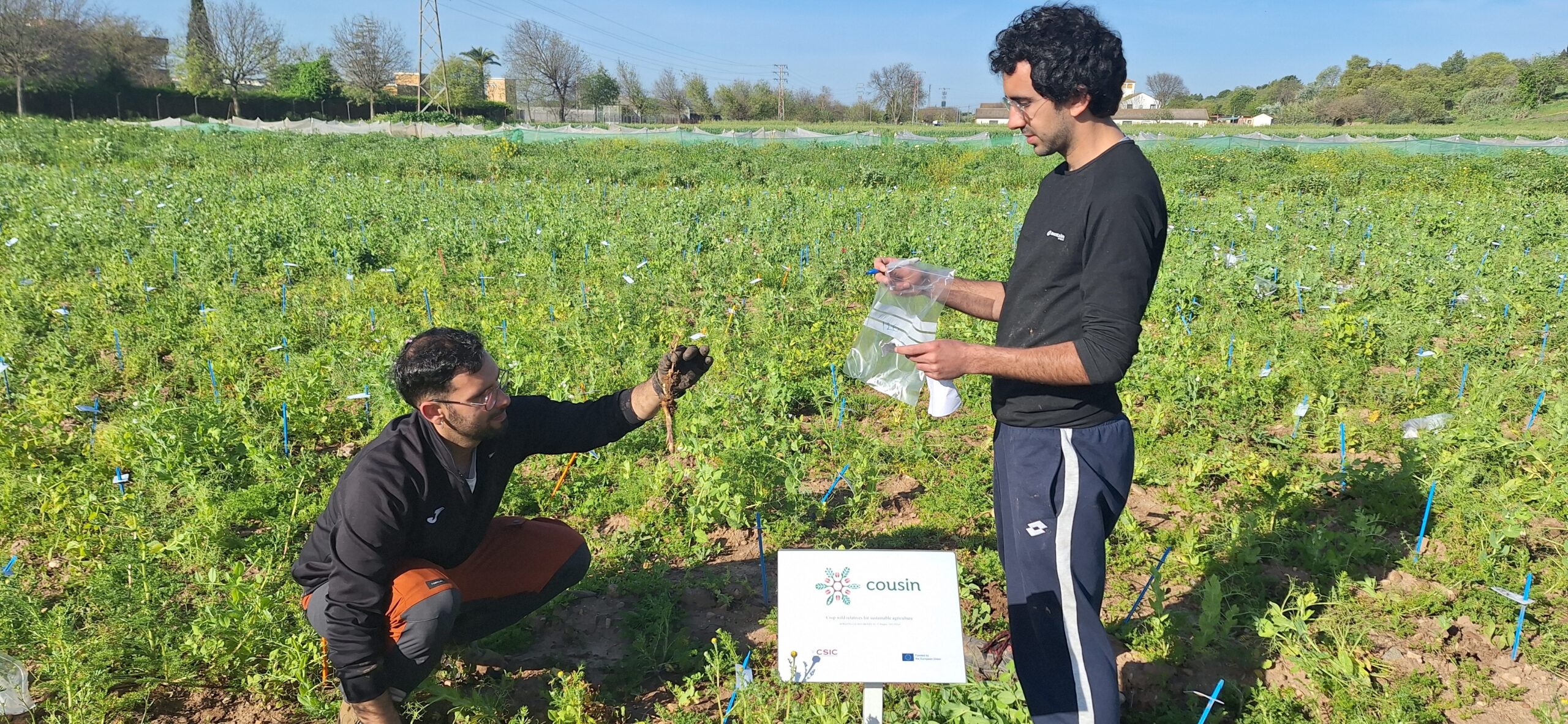
To solve this, we paid big efforts during the last 10 years to improve agronomic performance which successfully resulted in the development of novel cultivars combining broomrape resistance with excellent standing ability and productivity. These pre-existing CWR derived cultivars, together with a big number of segregating populations derived from crosses with other Pisum species were made available to COUSIN academic partners for scientific studies and to breeders for testing and selection under their conditions. Additionally, a large Pisum spp. germplasm collection is being phenotyped for resistance to a range of diseases (broomrape, rust, powdery mildew, ascochyta blight, fusarium wilt, aphanomyces root rot) and pests (aphid and bruchus weevil) under field conditions (inoculated plots) or/and under controlled condition(seedlings inoculated in growth chambers). New crosses have been made this season with selected resistant accessions. This will continue all along the project.
0 Comments