|
|
|
|
Welcome to COUSIN Newsletter!
|
#1/2025
|
|
|
|
|
|
|
|
Crop Wild Relatives (CWRs) are the cousins of those species for which human society cares and which we would like to conserve. And they have properties we would like to find in our crops, i.e. properties for which we care. Therefore, if we can demonstrate the value CWRs have for us, we have an invaluable instrument to raise awareness about the value of biodiversity in our society.
|
The COUSIN project, funded by Horizon Europe, explores the value of CWRs—wild cousins of our crops. Many of these plants carry traits we may need in the future: tolerance to stress, resistance to disease, or nutritional benefits. COUSIN works to identify, conserve, and use this diversity to develop improved cultivars and raise awareness of biodiversity’s critical role in food security, innovation, and health.
In this newsletter you can read news, articles, past and upcoming events, from the COUSIN community and its sister projects, as well as learn about the partners working together for the future of CWRs.
Enjoy reading!
By Christian Christian Schöb, COUSIN project coordinator
|
|
|
|
|
|
|
|
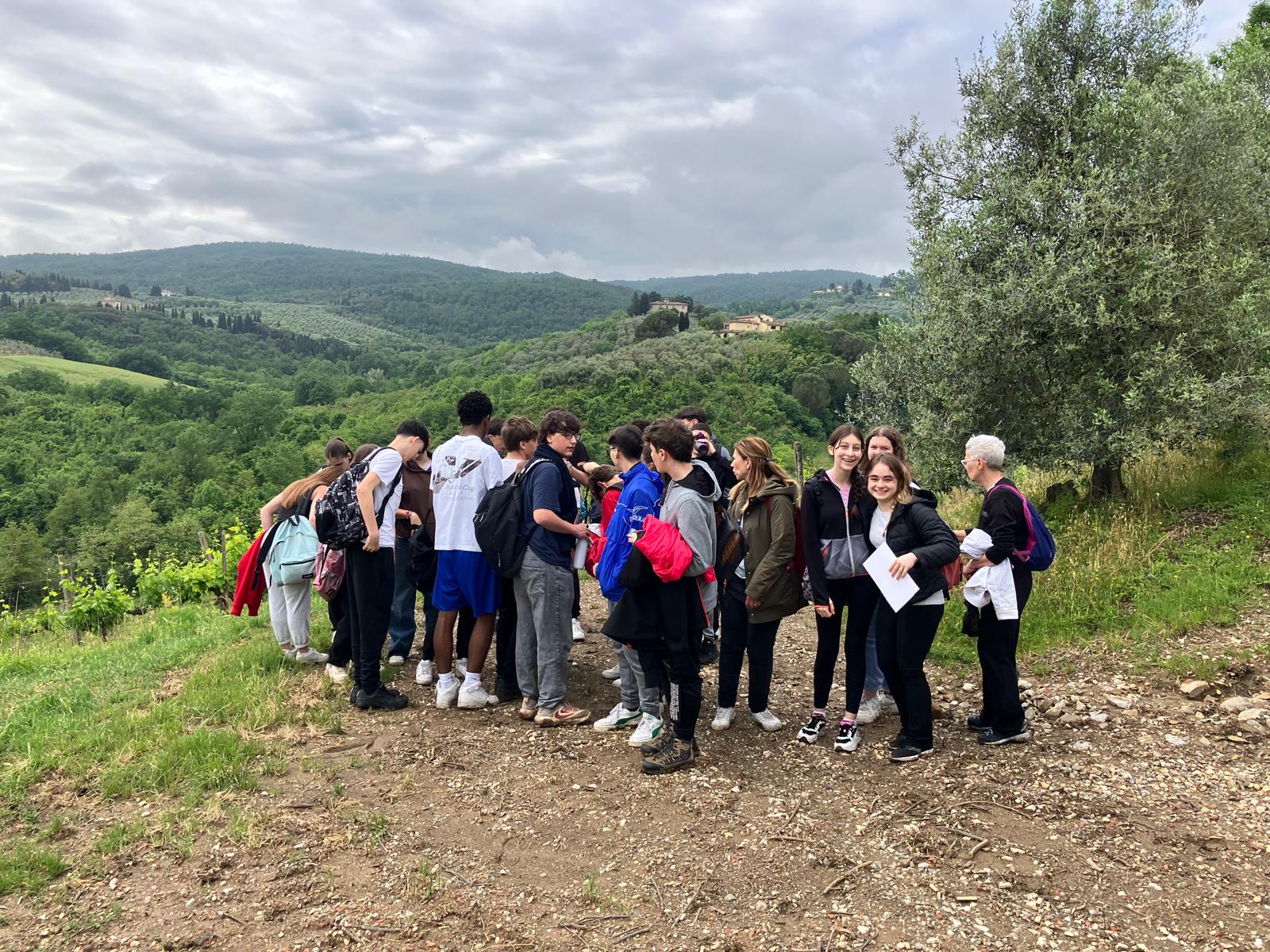
Engaging Students: Citizen Science and the Conservation of Crop Wild Relatives
|
|
The Cousin Project recently launched a Citizen Science initiative aimed at schools, with the goal of engage students and volunteers in collecting data on Crop Wild Relatives (CWRs) and promote a deeper understanding of biodiversity and sustainable agricultural practices. As part of the initiative, students at the Russell-Newton Higher Technical Institute, based in Scandicci (Florence, Italy) received theoretical training aimed …
|
|
|
|
|
|
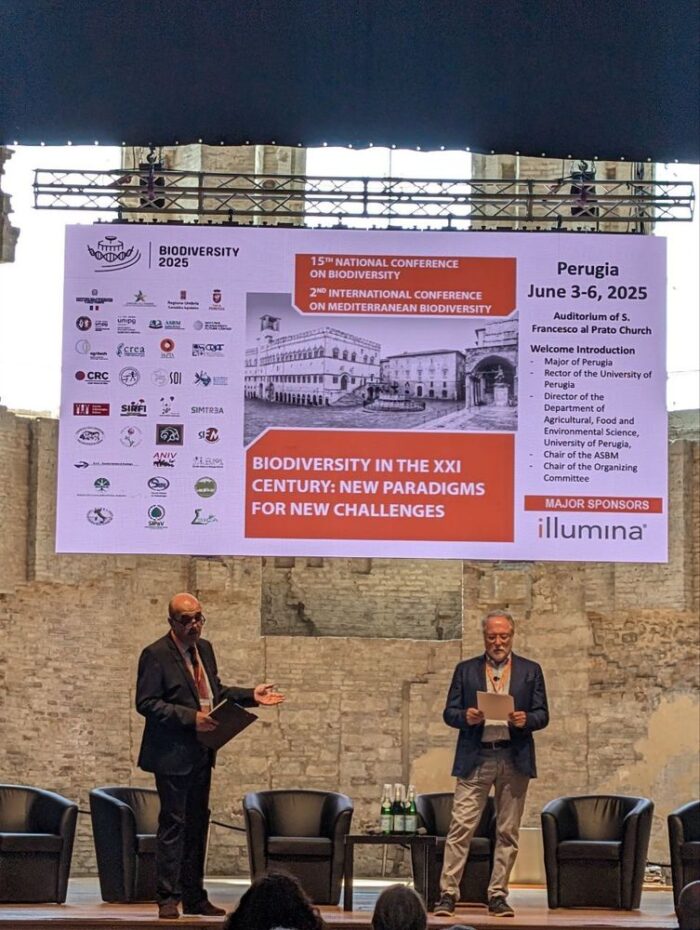
COUSIN project presentation at the 15th National Conference on Biodiversity and the 2nd International Conference on Mediterranean Biodiversity
|
|
From June 3-6, 2025, in Perugia (Italy) The COUSIN project, along with his sister project (PROWILD), was presented at the 15th National Conference on Biodiversity and the 2nd International Conference on Mediterranean Biodiversity. The event was organized by the Department of Agricultural, Food and Environmental Sciences (DSA3) of the University of Perugia, in cooperation with the Accademia delle Scienze della …
|
|
|
|
|
|
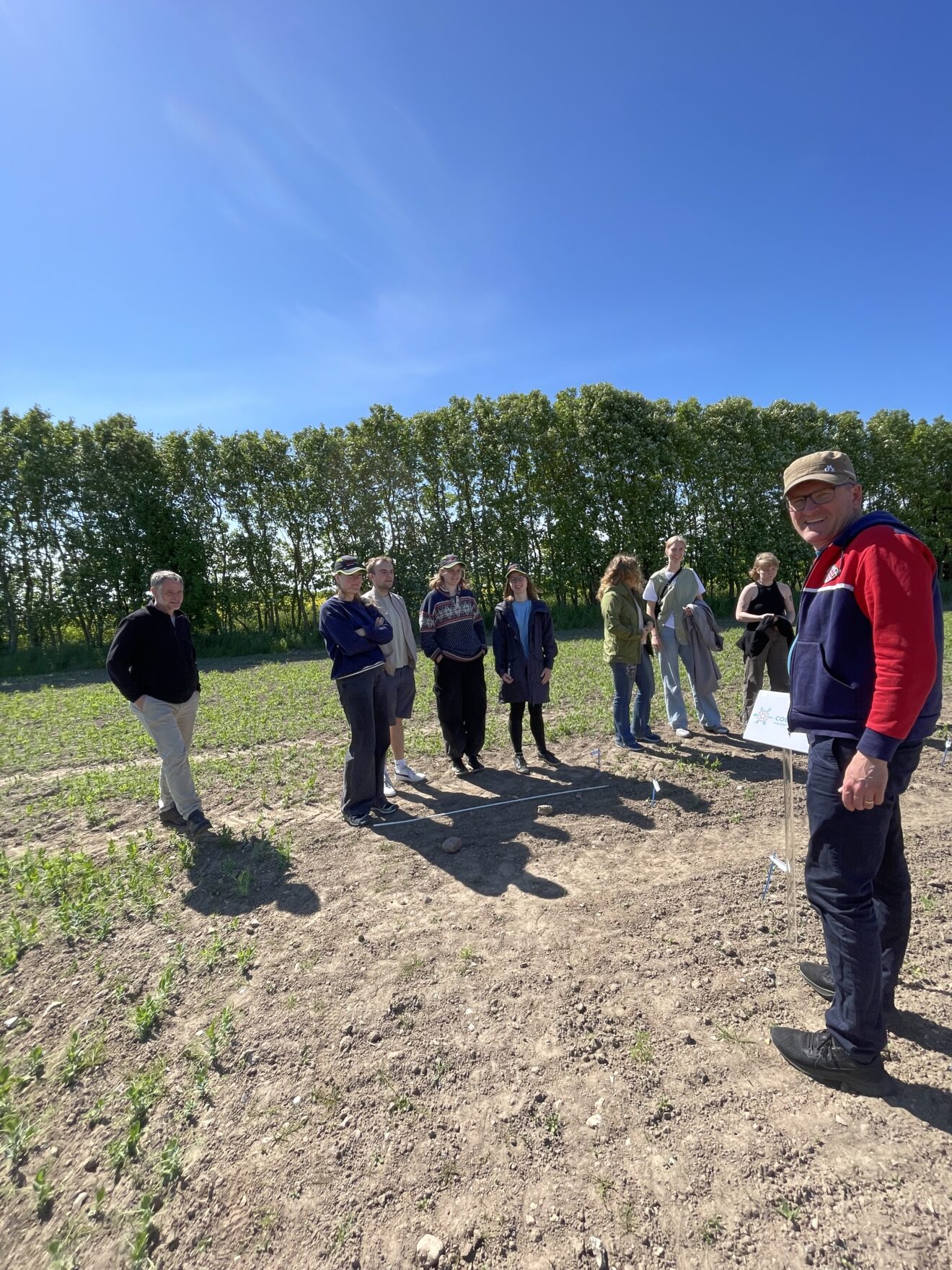
Bachelor students visit field trial with crop wild relatives
|
|
Nine bachelor students (2nd year students) and one teacher from Aarhus University visited Nordic Seed A/S on Monday the 19th May 2025. The trip is part of their course on breeding and genetics. Among other input the group had a bus trip to see the COUSIN field trial on field pea, where crop wild relatives are tested to screen for …
|
|
|
|
|
|
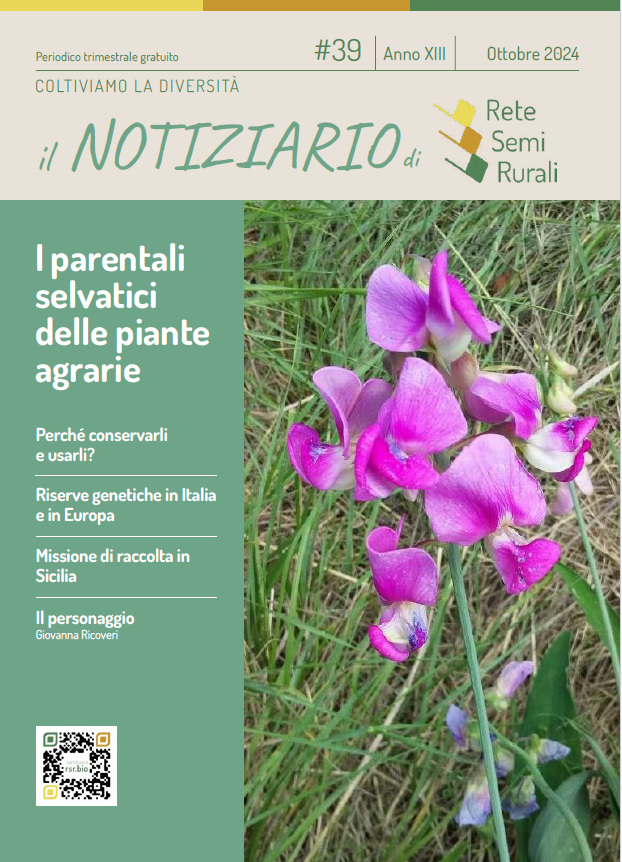
Crop Wild Relatives are featured in an Italian magazine
|
|
The October issue of Cousin Italian partner Rete Semi Rurali's periodical, is devoted entirely to Crop Wild Relatives. The Notiziario is in Italian, and inside you can read: the editorial by Christian Schöb (Universidad Rey Juan Carlos) the overview on CWRs by Riccardo Bocci (Rete Semi Rurali) the in-depth study on Brassica CRWs in Sicily by Ferdinando Branca, Giulio Flavio …
|
|
|
|
|
|
|
In this first period of the project, 3 practice abstracts were produced:
|
|
|
|
|
1 - Conserving CWRs in situ - The role of Genetic Reserves
|
|
|
What Genetic Reserves are and where the 5 planned by the Cousin project will be created
|
|
|
|
|
|
2 - Conserving CWRs in situ - Where to establish a genetic reserve and who to involve
|
|
|
How Cousin aims to contribute to the creation of Genetic Reserves that are durable, functional, and sustained by a local network of stakholders
|
|
|
|
|
|
The reasons, selection criteria and opportunities of the new checklist of CWRs (originating from Europe and related to food security) generated by the Cousin project
|
|
|
|
|
|
|
The cousin project has identified 5 flagship crops as main representatives of important food crop types, cereals, legumes, leafy greens, vegetables and oilseed crops: wheat (Triticum aestivum), barley (Hordeum vulgare), pea (Pisum sativum), lettuce (Lactuca sativa), and brassica (Brassica oleracea/napus).
|
|
|
|
|
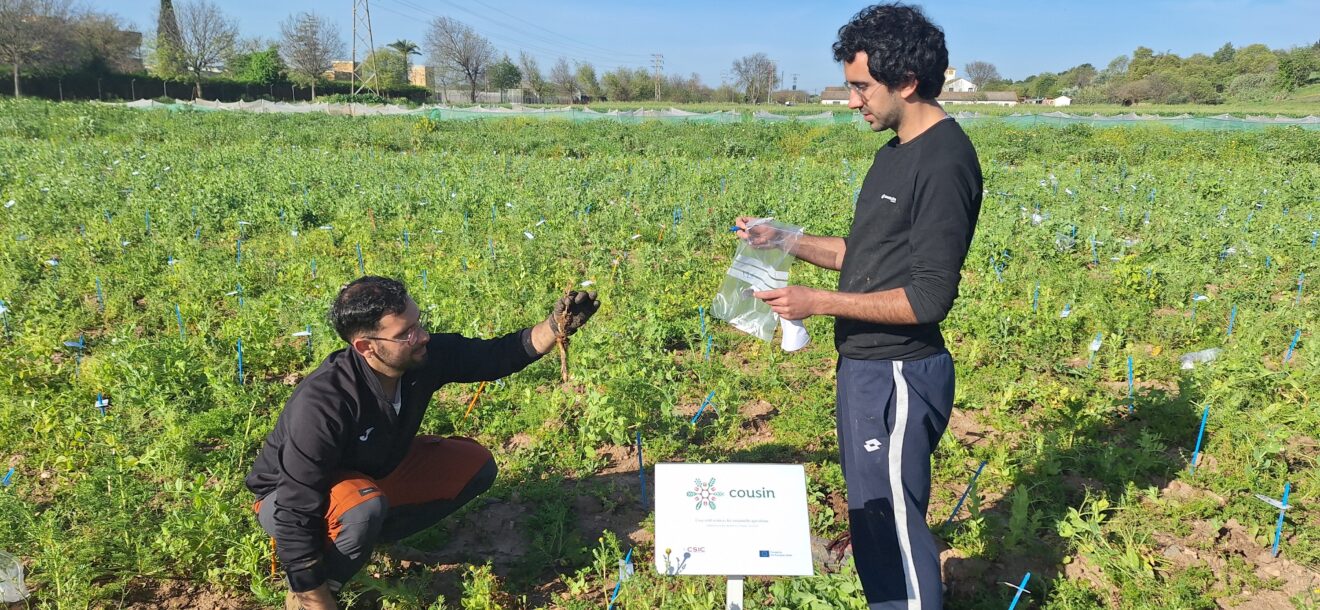
Harnessing Wild Pea Relatives to Build Resilient Cultivars: updates from the Pea Working Group
|
|

|
IAS-CSIC is leading a long-term pea pre-breeding program aimed at improving resistance to major pests and diseases in Mediterranean farming systems. Starting from wild relatives like Pisum fulvum, the program has made significant advances in developing productive and resilient cultivars.
|
|
|
|
|
|
Exploring Wild Barley Genes to Improve Stress Resilience: updates from the Barley Working Group
|
|
|

|
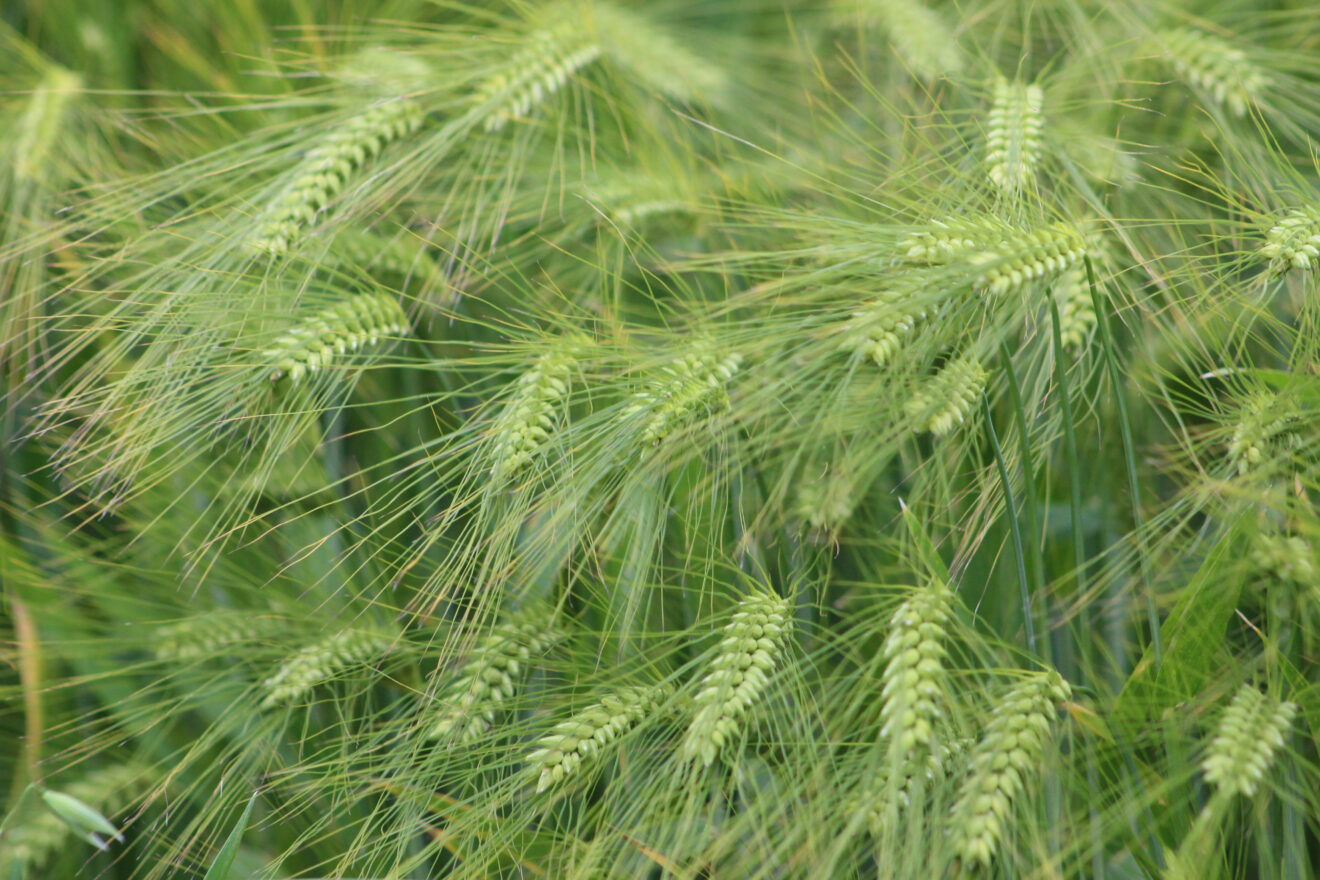
Barley is one of the world’s oldest and most widely grown crops, yet its wild relatives still hold valuable untapped genetic diversity. The COUSIN project is investigating how crosses between cultivated barley and its wild ancestor can enhance traits like stress tolerance and adaptability. Promising results are emerging from both field and lab.
|
|
|
|
|
|
Ongoing efforts to document biodiversity in the Brassica oleracea Complex Species (n=9) for Cole Crop genetic improvement
|
|

|
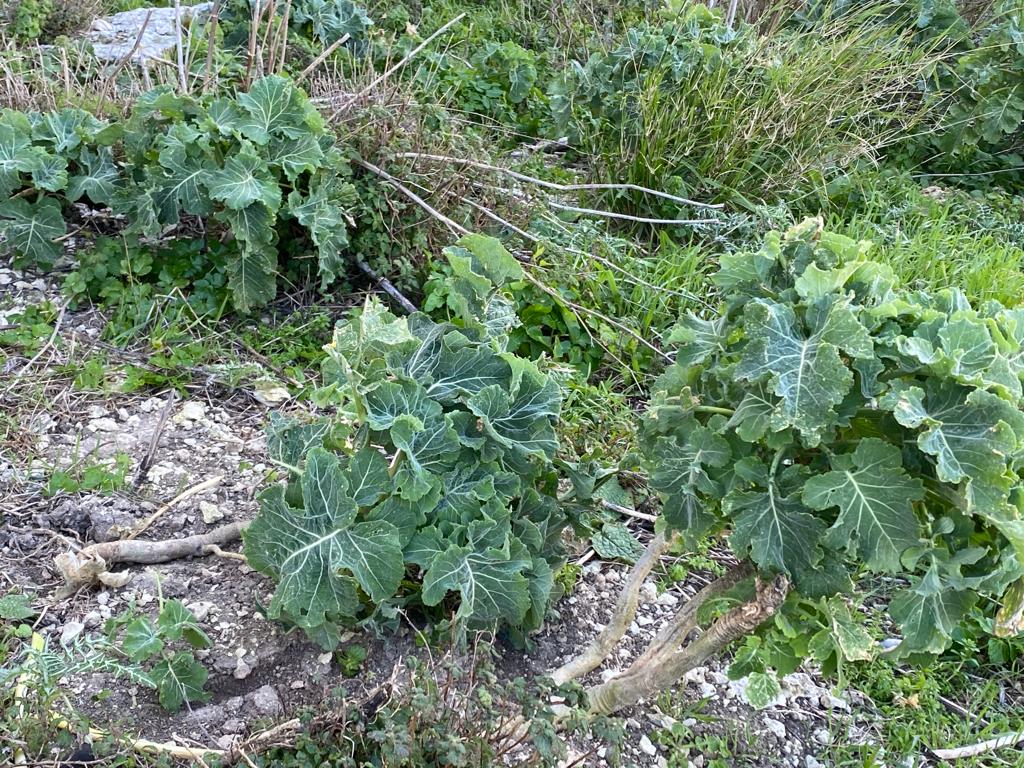
Southern Italy is a hotspot of Brassica biodiversity, where wild and cultivated species have long intermingled to produce unique crop varieties. Through the COUSIN project, researchers are studying these wild populations—especially in Sicily—and taking urgent conservation action to protect rare endemics like Brassica trichocarpa, now facing critical extinction risk.
|
|
|
|
|
|
|
|
COUSIN was funded in the same call as two other projects, which are sharing our overall goal of promoting biodiversity through exploiting CWRs in agriculture :
|
-
|
FRUIT- DIV (https://fruitdiv.eu/) launched in January 2024, it involves 26 partners from 10 countries, aims to monitor, characterise, use and conserve the diversity of fruit tree Crop Wild Relatives (CWR) with a particular emphasis on pome (Malus, Pyrus) and stone fruits (Prune)
|
-
|
PROWILD (https://www.pro-wild.eu/), started in September 2024, it involves 19 partners from 11 countries and is co-funded by the EU, UK and Switzerland. It focuses on protecting and promoting the wild relatives of three key crops : wheat, sugar beet, and oilseed rape (brassica). The collaboration between COUSIN and PROWILD is particularly relevant since they share two key-crops (wheat and brassica).
|
Joint activities and meetings are planned and carried out among the three projects in order to maximise the overall impact of our efforts to conserve, protect and use CWRs.
A first step was taken with the publication of the article “PRO-WILD and COUSIN projects collaborate” in the EPSO Spring Newsletter No. 61 on 16 April 2025.
Later, from June 3-6, In Italy, COUSIN partner RSR met with PROWILD partner UNIPG at the National Conference on Biodiversity and the 2nd International Conference on Mediterranean Biodiversity, where two partners presented joint posters. Furthermore, a webinar focused on stakeholder engagement was organised by COUSIN partner ESSRG in collaboration with PROWILD and FRUITDIV, on 27 June 2025. A recording of the workshop was made available to all three project consortia, facilitating knowledge sharing and cross-project learning.
|
|
|
|
|
There are 26 partners collaborating in the Cousin project from 12 European countries.
In each Newsletter 3 parners will introduce themselves in order to share their work and involvement in the project.
|
|

|
URJC is a public university in Madrid, Spain. The Biodiversity and Conservation team is coordinating the consortium and involved in in-situ and ex-situ conservation of CWRs, as well as their phenotyping for intercropping and the seed microbiome. The Data Science team is overseeing data management, processing and consolidation.
Visit the website to find out more about their work in Cousin!
|
|
|
|
|
|
The University of Catania (UNICT) offers a strong and ever-growing international orientation and community, and the Department of Agriculture, Food and Environment (Di3A) dealing with the sustainable use and management of natural and growing ecosystems, such as for vegetable, aromatic and medicinal plants, conserving and exploiting their genetic resources for improving nature-based food chains.
Visit the website to find out more about their work in Cousin!
|
|
|
|
|
|
Nordic Seed (NOS) was established in 2008 and breeds winter and spring wheat, winter and spring barley, peas, lupins, faba beans, hybrid rye, oat and 6-year winter barley. NOS has trial stations in Denmark, Germany, France, England, Ireland, the Baltic States, Sweden and Finland, and several specialized laboratories that carry out many activities to ensure the breeding of high yielding varieties.
Visit the website to find out more about their work in Cousin!
|
|
|
|
|
|
|
|