
Brassicas
B. oleracea and B. napus

There are two important Brassica species cultivated in Europe that constitute the Brassica flagship crop, all associated with the same group of CWRs.
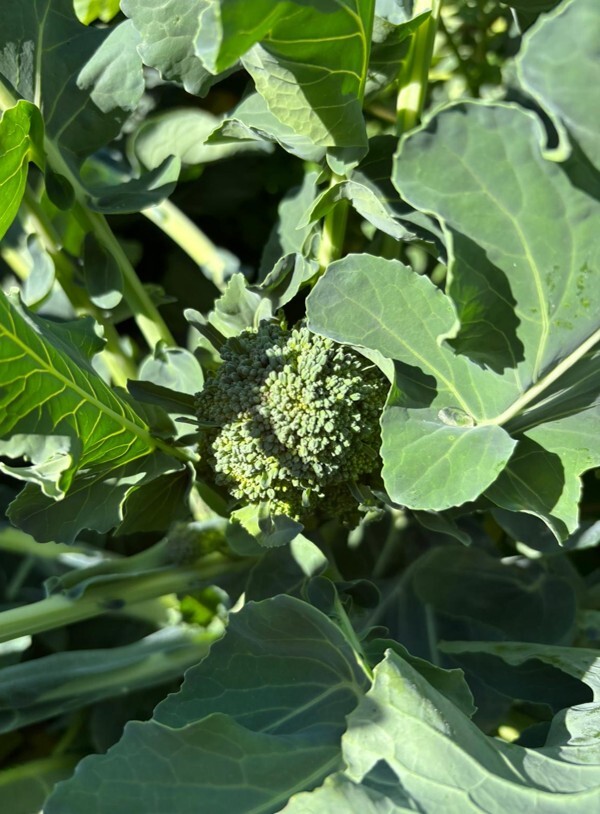
B. oleracea, to which belong the most common Brassica vegetable crops (broccoli, cauliflower, cabbage and kale). Cultivation of these covers 12.5% of the fresh vegetable production area in Europe. The various Brassica vegetable types have high nutritional value and are consumed in many different European countries in many different varieties. They are cool temperature crops that are harvested year-round, and increasingly suffering from drought and heat stress, next to continuous disease pressures.
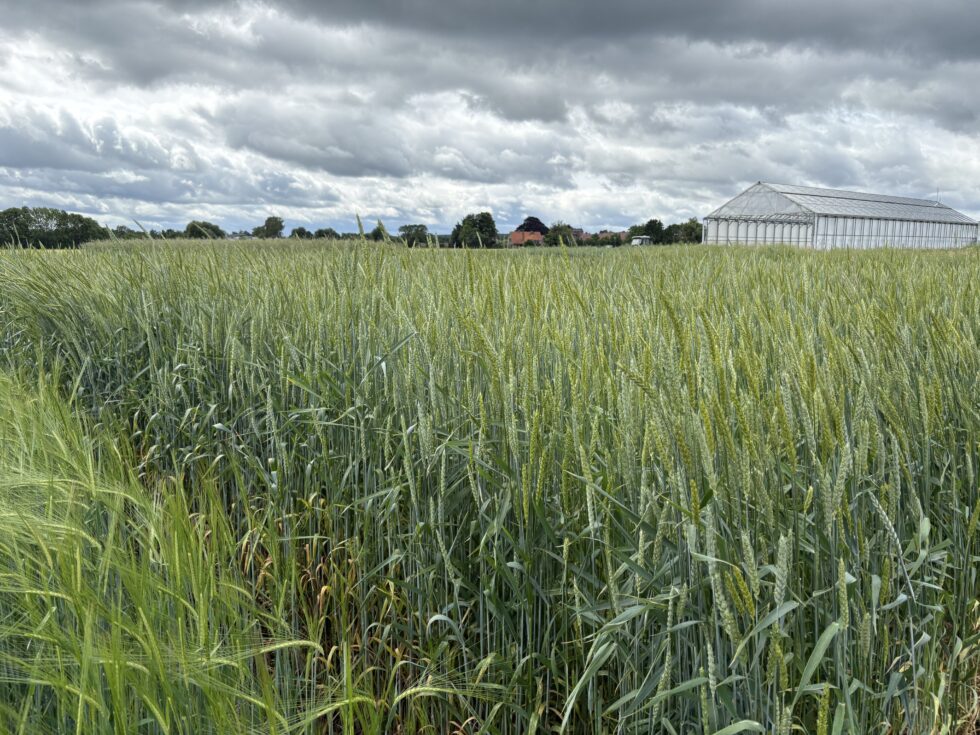
Then there is oilseed rape or rapeseed – B. napus – a natural hybrid between B. oleracea and B. rapa. This is the 2nd most produced oilseed globally, with Europe being the principal producer and consumer. Even though it is mostly grown as a winter annual crop, it increasingly suffers from drought and disease stresses, limiting crop yields.
lead by UNICT
Brassica Flagship crops News
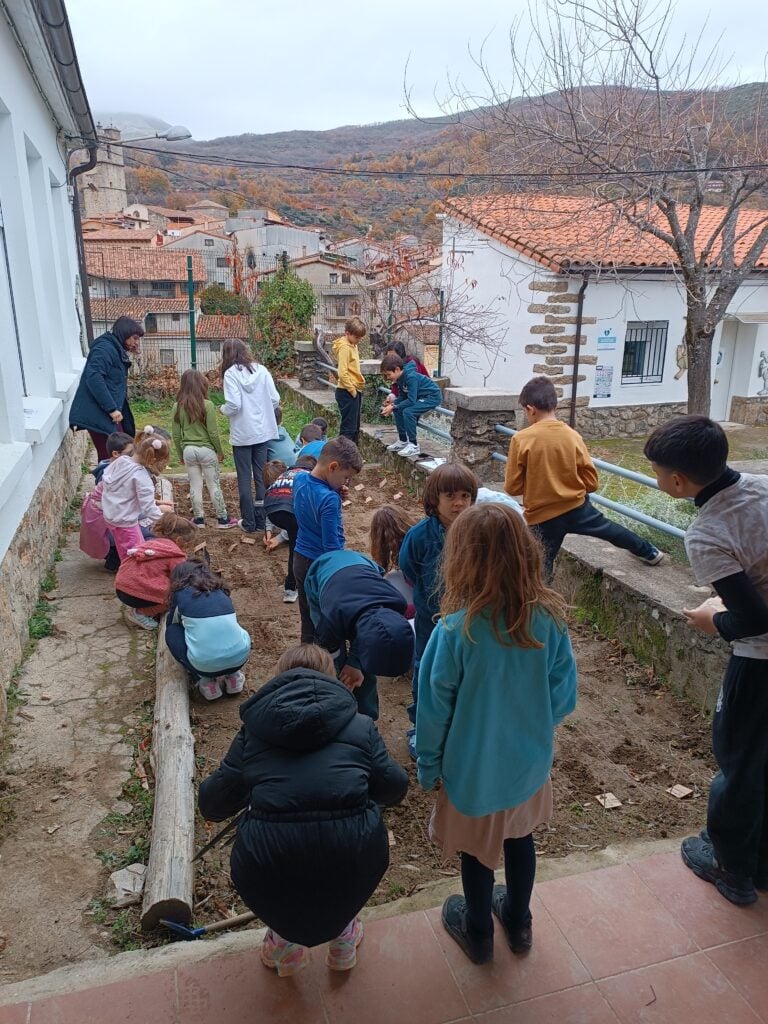
Cultivating Biodiversity: Educational Garden Planting at San Martín School with APRISCO
COUSIN partner Aprisco planted this academic year’s educational garden at San Martín School (Garganta la Olla), a partner in the “Farmland biodiversity for rural wellbeing” living lab. The same approach was followed as last year's garden, focusing on legumes and...
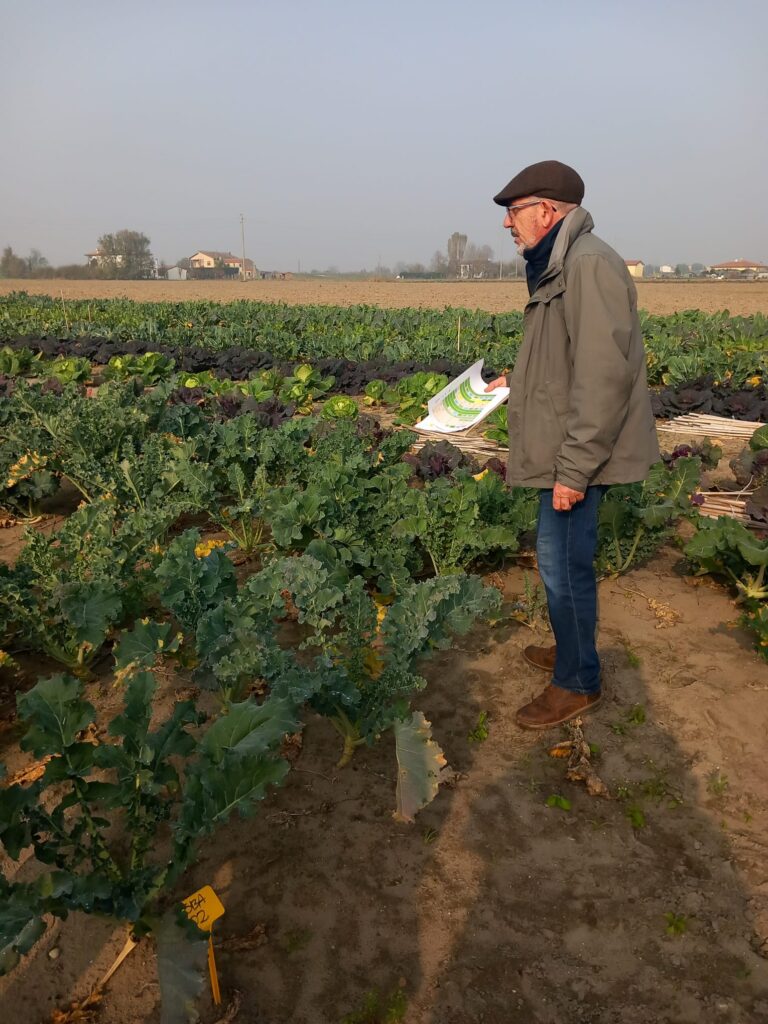
The role of crop wild relatives in Brassica breeding: COUSIN Project highlights at the Smarties.bio Open Day
On the 14th of November 2025, participants of the Smarties.bio seed company Open Day had the valuable opportunity, after visiting the company’s production fields, to closely observe the brassica populations developed within the COUSIN project. The visit was guided...
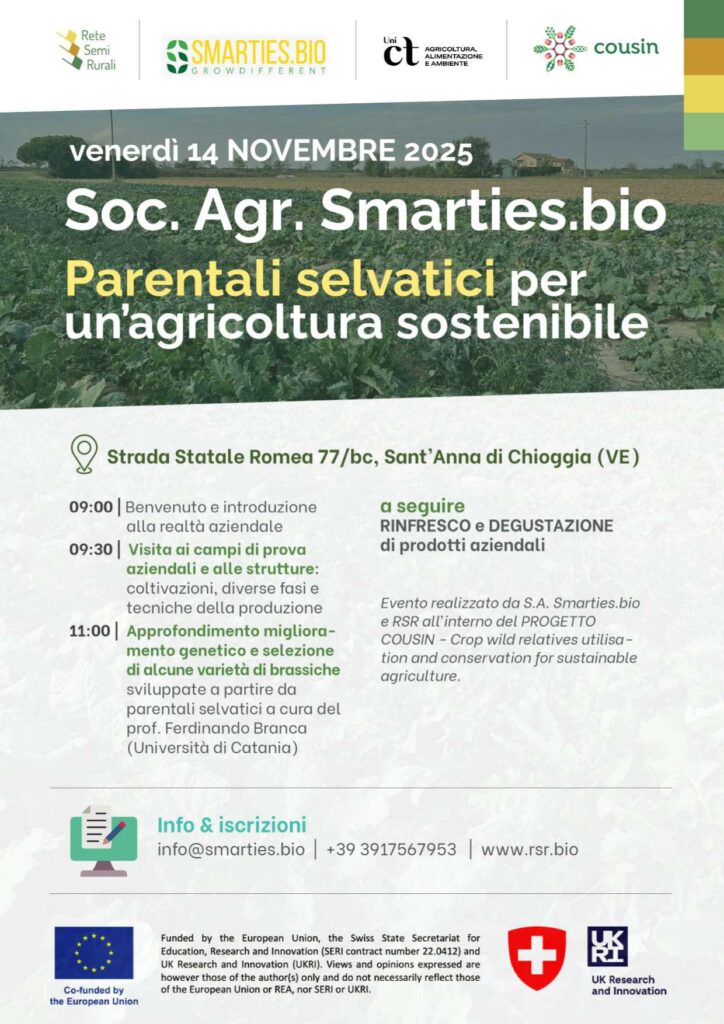
Crop Wild Relatives for sustainable agriculture
On 14 November, during the open day organised by Smarties.bio (in the province of Venice, Italy), visitors will be able to tour the farm structures and learn about the different stages and techniques involved in production. With Professor Ferdinando Branca...
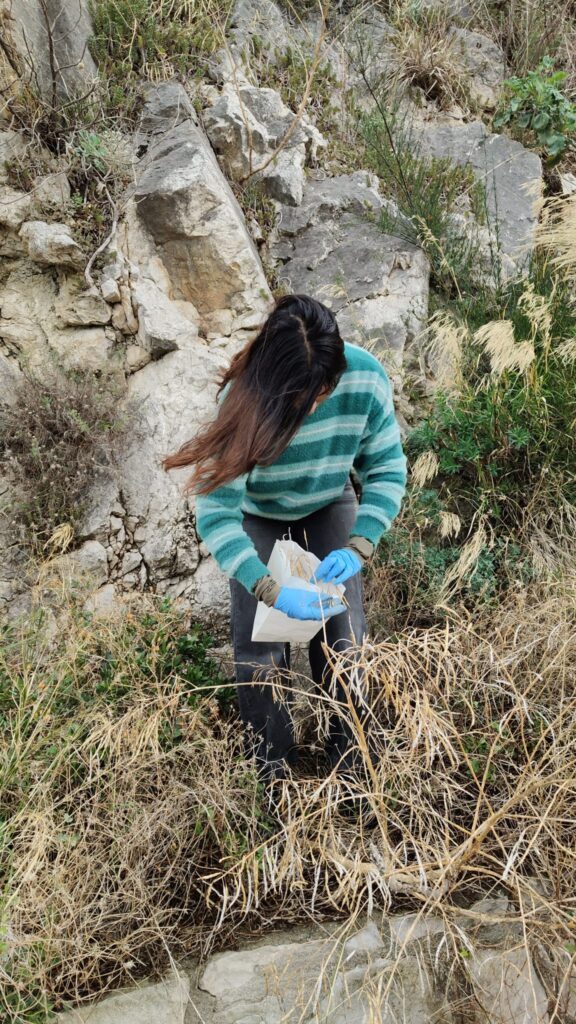
Field monitoring of Brassica rupestris populations in the Palermo area
On October 15th, 2025, the UNICT research team carried out a collection mission along Palermo and Trapani provinces (Caltavuturo, Sclafani Bagni and Castellammare del Golfo) to monitor three B. rupestris populations, one of the five Brassica wild relatives...
Capturing the Brassica oleracea L. wild relatives diversity for improving nutraceutical traits of cole crops
The article "Capturing the Brassica oleracea L. wild relatives diversity for improving nutraceutical traits of cole crops" written by Gresheen Garcia, Simone Treccarichi, Donata Arena, Hajer Ben Ammar, Lorenzo Maggioni and Ferdinando Branca, was published on...

7 – Success story of breeding with Crop Wild Relatives – The Brassica case study at the University of Catania
Brassica crop wild relatives (CWRs), such as B. macrocarpa, offer valuable traits for resilience and health-promoting compounds. The COUSIN Project demonstrates that interspecific hybrids with broccoli can enhance glucosinolate content and drought tolerance, supporting both crop improvement and CWRs conservation.
Unlocking the potential of Wild Crops: new progress in the COUSIN Project
Crop Wild Relatives (CWRs) carry genetic traits for resilience, productivity, and nutrition and could play a key role in the agroecological transition of European food systems. In its first 18 months, the COUSIN project is making strong progress towards...
Ongoing efforts to document biodiversity in the Brassica oleracea Complex Species (n=9) for Cole Crop genetic improvement.
Southern Italy is a hotspot of Brassica biodiversity, where wild and cultivated species have long intermingled to produce unique crop varieties. Through the COUSIN project, researchers are studying these wild populations—especially in Sicily—and taking urgent conservation action to protect rare endemics like Brassica trichocarpa, now facing critical extinction risk.
