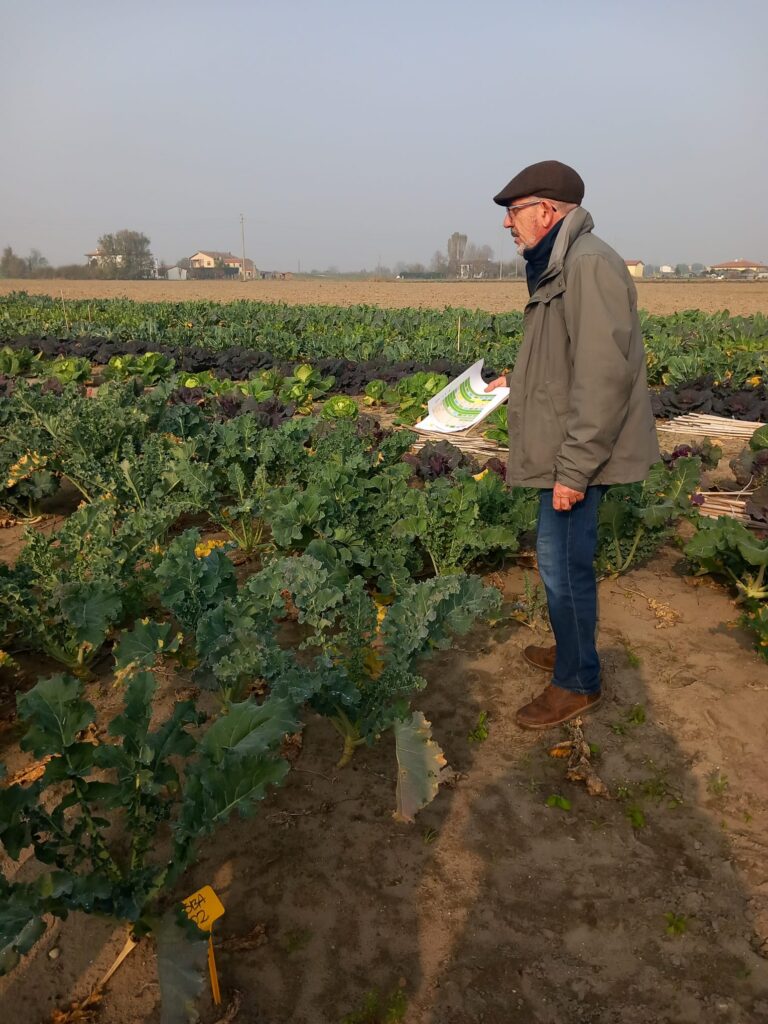
Brassicas
B. oleracea and B. napus

There are two important Brassica species cultivated in Europe that constitute the Brassica flagship crop, all associated with the same group of CWRs.
B. oleracea, to which belong the most common Brassica vegetable crops (broccoli, cauliflower, cabbage and kale). Cultivation of these covers 12.5% of the fresh vegetable production area in Europe. The various Brassica vegetable types have high nutritional value and are consumed in many different European countries in many different varieties. They are cool temperature crops that are harvested year-round, and increasingly suffering from drought and heat stress, next to continuous disease pressures.
Then there is oilseed rape or rapeseed – B. napus – a natural hybrid between B. oleracea and B. rapa. This is the 2nd most produced oilseed globally, with Europe being the principal producer and consumer. Even though it is mostly grown as a winter annual crop, it increasingly suffers from drought and disease stresses, limiting crop yields.
lead by UNICT
Brassica Flagship crops News
Mission to Wageningen University & Research and stakeholder engagement activities
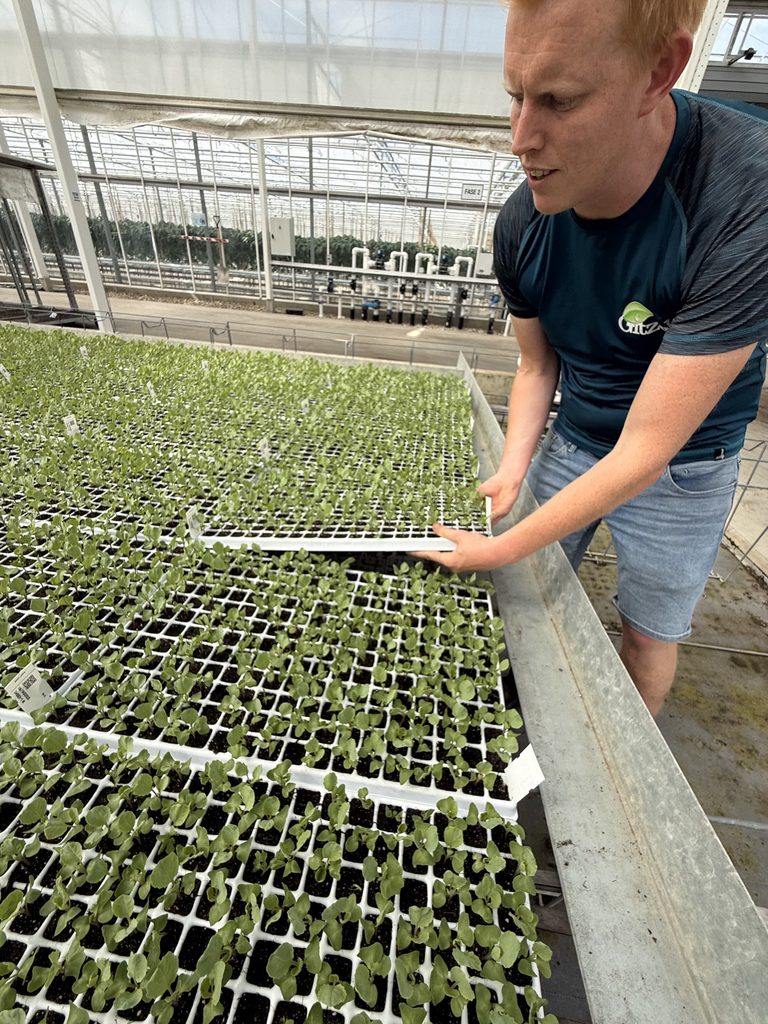
During July 2026, Prof. Ferdinando Branca, Prof. of Vegetable and Flower Crops at the Dipartimento di Agricoltura, Alimentazione e Ambiente (Di3A) of the University of Catania, met on the 13th of July at the NPEC with Dr. Rick van Zedde, for visiting the phenotyping...
2: Flagship crops: Brassica – From Wild Relatives to Future Crops
The COUSIN project video, Flagship Crop – Brassica: From Wild Relatives to Future Crops, demonstrates how crop wild relatives can strengthen Brassica crops by improving their resilience, sustainability, and nutritional value, contributing to more resilient,...

15 – How genomics can help to unlock wild genetic potential for crop improvment
Modern crops have lost valuable genetic diversity through domestication, while crop wild relatives (CWRs) retain traits important for resilience and adaptation. The COUSIN Project provides high-quality genomic resources and maps for multiple CWR species, enabling the identification of beneficial genes and supporting their targeted introgression into modern crops to accelerate breeding for improved performance and resistance.
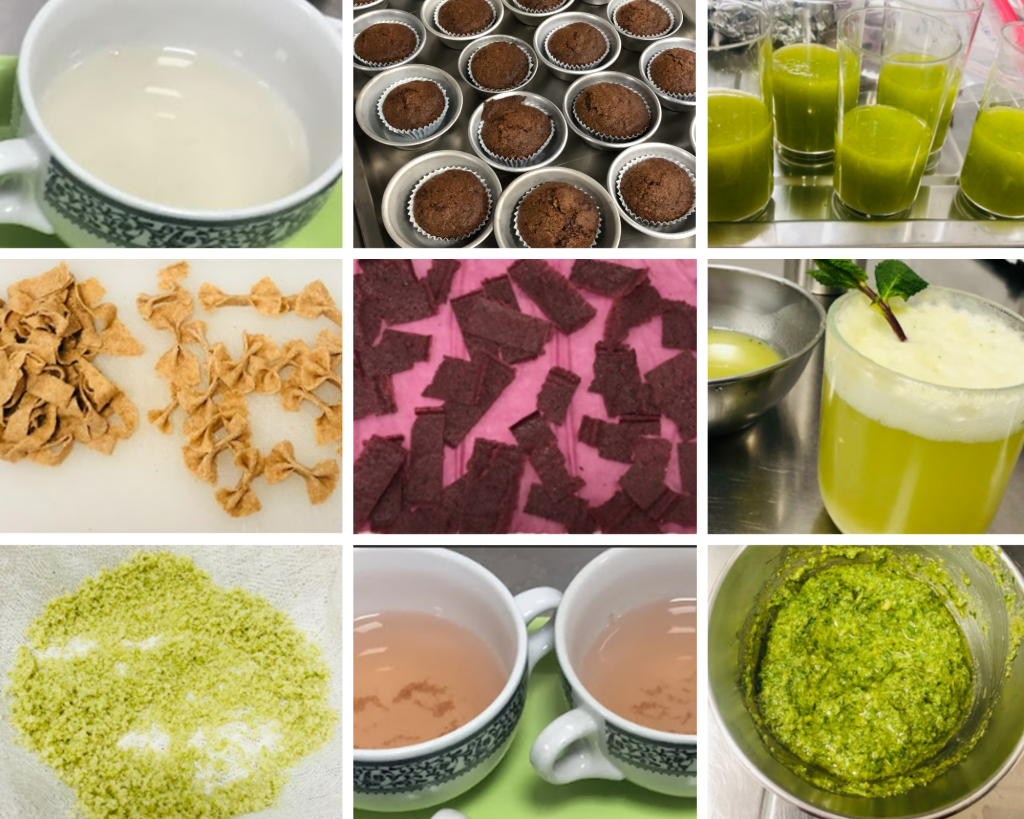
14 – Using Crop Wild Relatives in innovative food products – Translating crop diversity into practical food application
Crop wild relatives (CWRs) and CWR-derived materials from barley, wheat, pea and lettuce offer underused potential for innovative food product development. The COUSIN Project demonstrates how these resources can be incorporated into a range of food applications, supporting the creation of more diverse, nutritious and sustainable food systems.
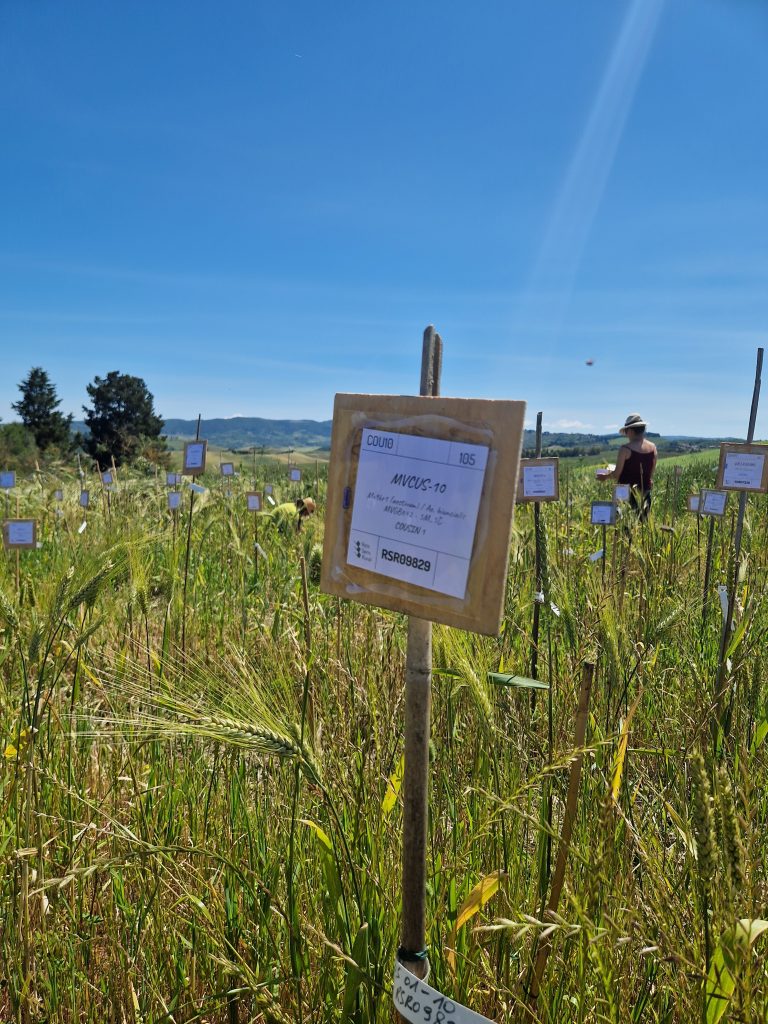
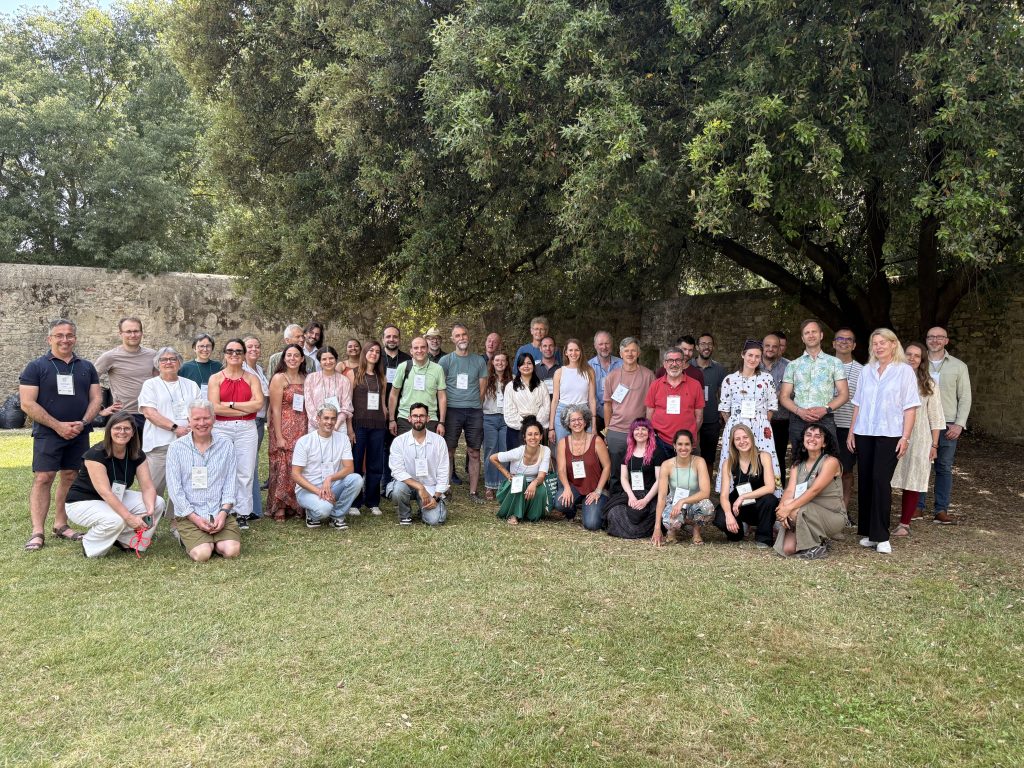
Three days of activities and synergies for the third annual project meeting
The third COUSIN Annual Meeting took place from 25 to 27 May in Scandicci, Italy, and was hosted by the project partner Rete Semi Rurali. The event brought together representatives from across the consortium to review project achievements, exchange knowledge, and...
Study Day in collaboration with the Southwest Section of the Accademia dei Georgofili (Florence)
On February 25, 2025, the COUSIN project was presented by the University of Catania (UNICT) during a study day dedicated to the management and use of plant and microbial germplasm collections, hosted by the Accademia dei Georgofili in Florence. The conference...

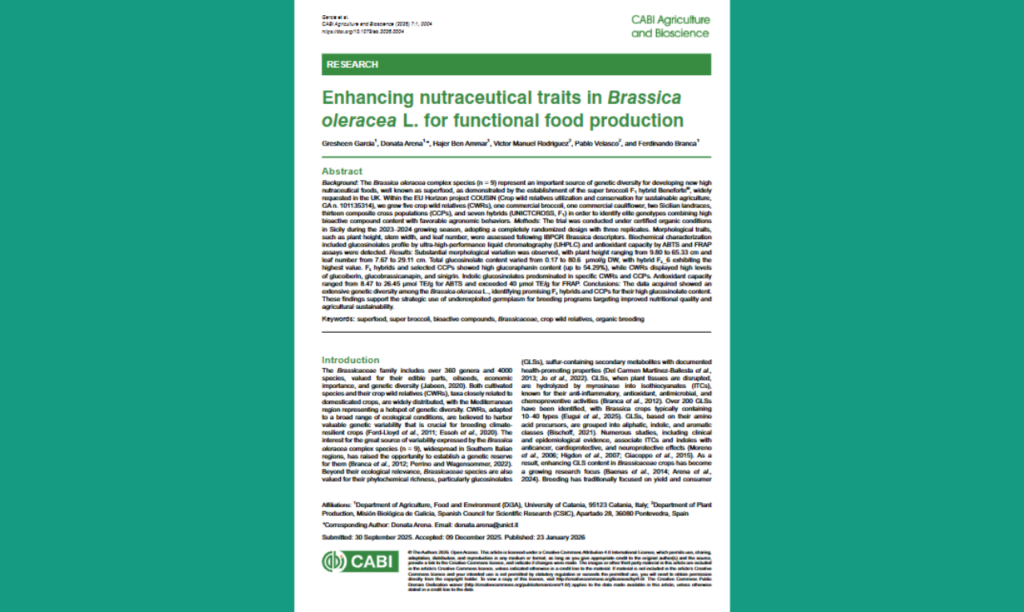
Enhancing nutraceutical traits in Brassica oleracea L. for functional food production
On Jenuary 23th, the scientific journal CABI Agriculture and Bioscience published an article written by Gresheen Garcia, Donata Arena, Hajer Ben Ammar, Victor Manuel Rodriguez, Pablo Velasco, and Ferdinando Branca entitled "Enhancing nutraceutical traits...
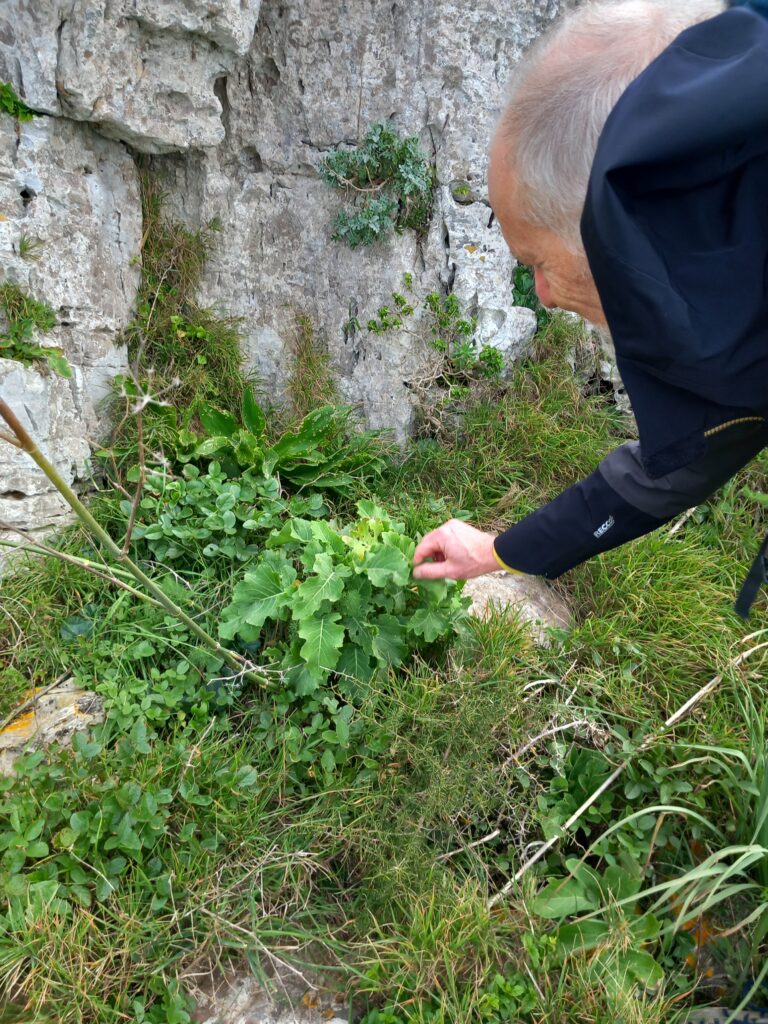
Excursion to the Egadi Islands for the conservation of Brassica macrocarpa
Despite the bad weather that was raging in the rest of Sicily, the beautiful island of Favignana and its inhabitants welcomed with open arms the staff of Rete Semi Rurali, University of Catania, and Juan Carlos University of Madrid, all partners in the COUSIN project,...
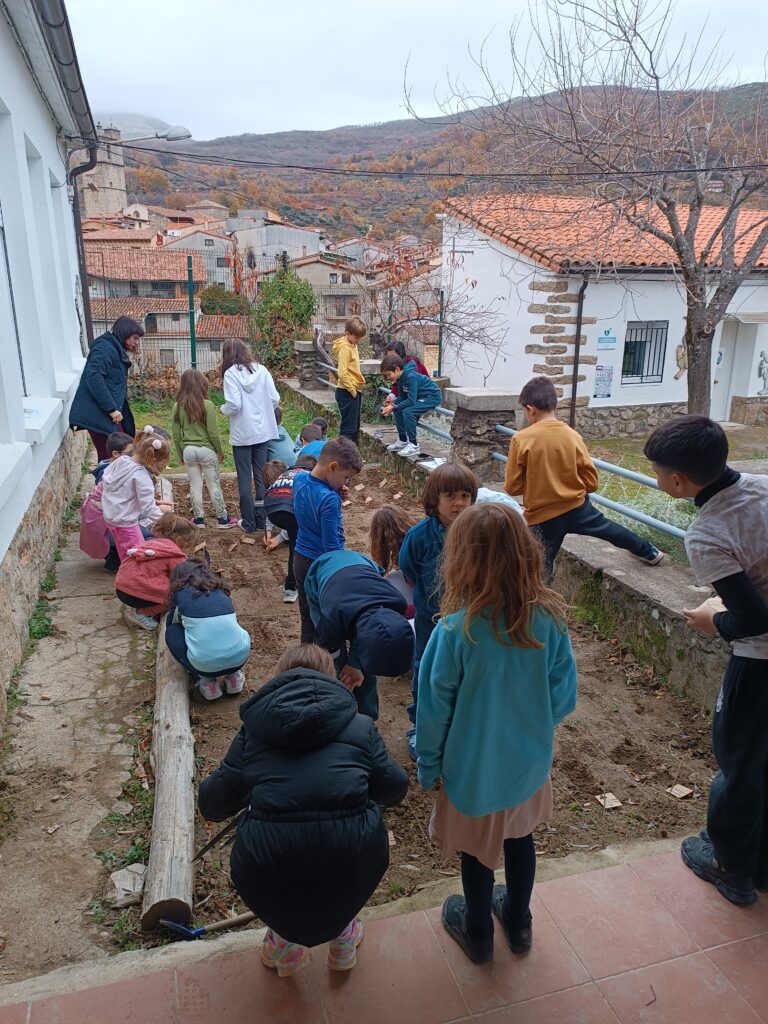
Cultivating Biodiversity: Educational Garden Planting at San Martín School with APRISCO
COUSIN partner Aprisco planted this academic year’s educational garden at San Martín School (Garganta la Olla), a partner in the “Farmland biodiversity for rural wellbeing” living lab. The same approach was followed as last year's garden, focusing on legumes and their...
The role of crop wild relatives in Brassica breeding: COUSIN Project highlights at the Smarties.bio Open Day
On the 14th of November 2025, participants of the Smarties.bio seed company Open Day had the valuable opportunity, after visiting the company’s production fields, to closely observe the brassica populations developed within the COUSIN project. The visit was guided by...