|
|
|
|
Welcome to COUSIN Newsletter!
|
#2/2025
|
|
|
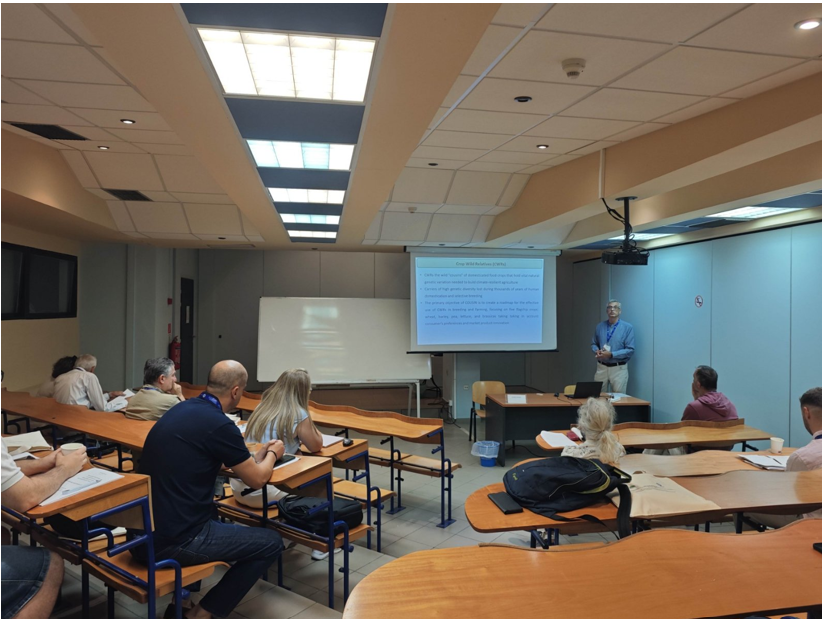
COUSIN at the 194th EAAE Seminar!
|
|
|
|
On 9 September 2026, COUSIN participated in the Pre-Conference Project Side Events of the 194th Seminar of the European Association of Agricultural Economists (EAAE), hosted at the Mediterranean Agronomic Institute of Chania (CIHEAM MAICh), Crete, Greece. Three presentations explored complementary perspectives on crop wild relatives (CWRs), connecting sustainable production, conservation research and policy: 1) Assessing the Agrobiodiversity of Greek Crop …
|
|
|
|
|
|
|
|
Mission to Wageningen University & Research and stakeholder engagement activities
|
|
|
|
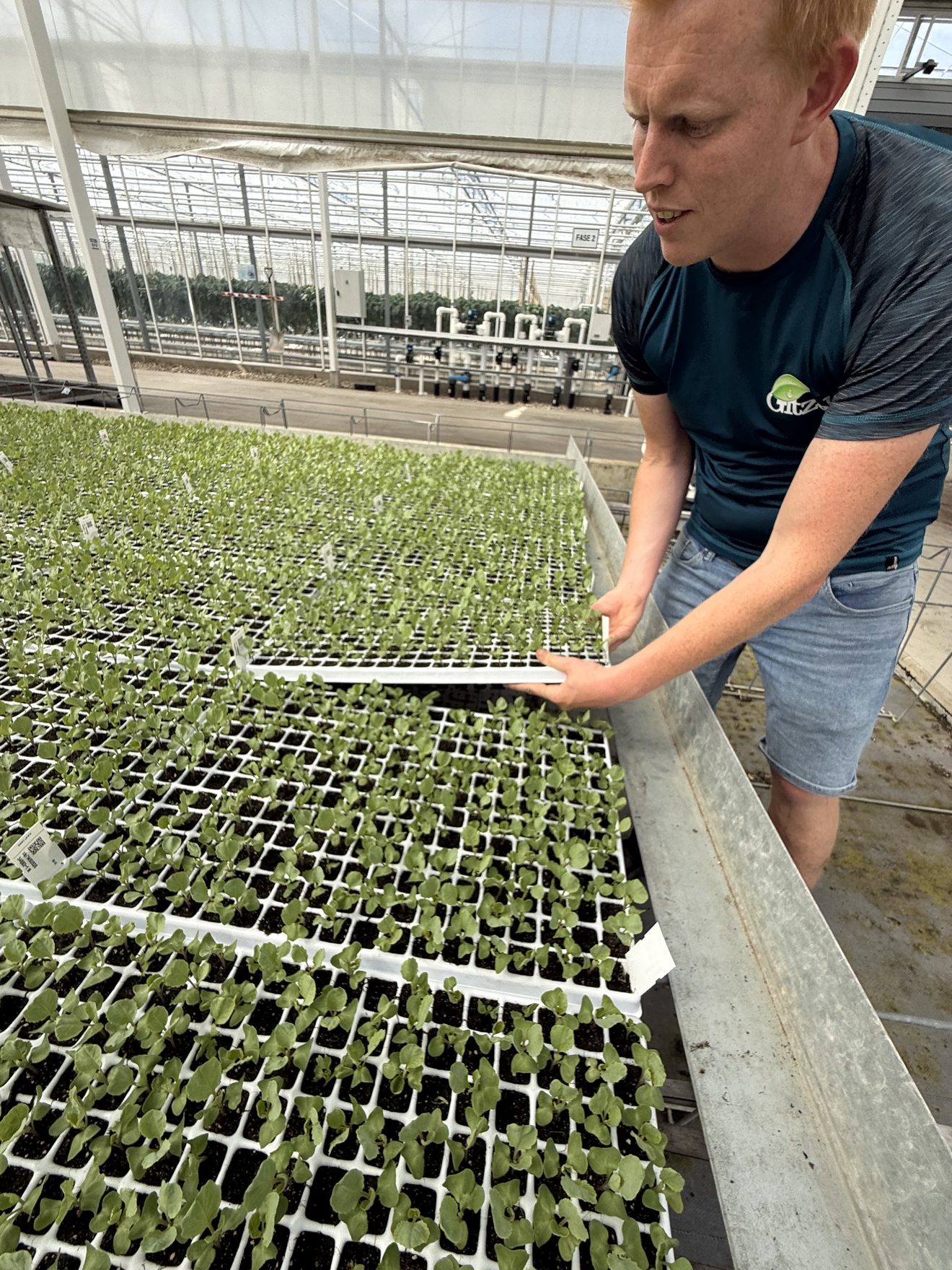
During July 2026, Prof. Ferdinando Branca, Prof. of Vegetable and Flower Crops at the Dipartimento di Agricoltura, Alimentazione e Ambiente (Di3A) of the University of Catania, met on the 13th of July at the NPEC with Dr. Rick van Zedde, for visiting the phenotyping equipment at the Radix building and for discussing the several methodologies adopted and sensors utilised for …
|
|
|
|
|
|
|
|
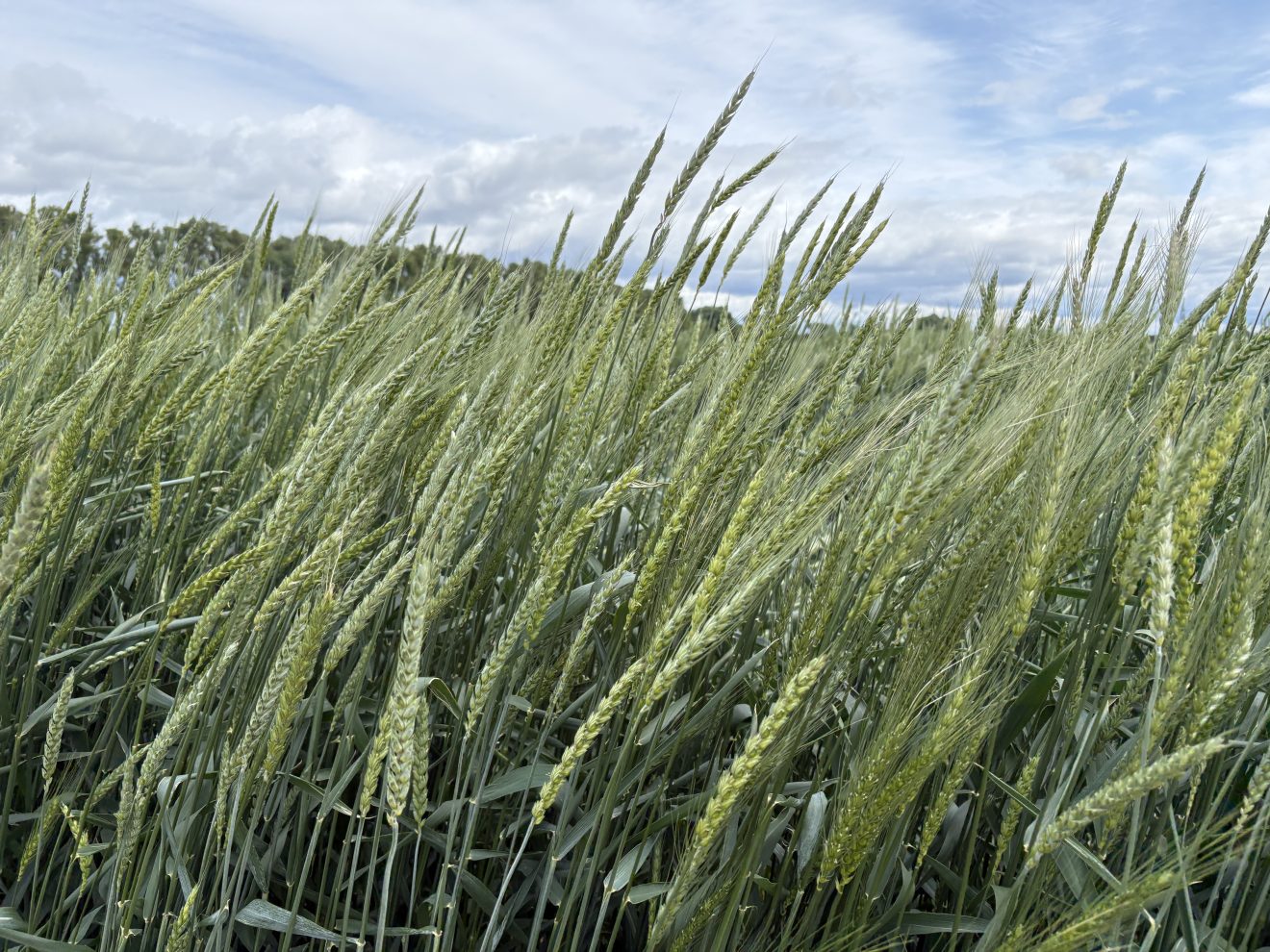
Unlocking wild plant genetics to develop climate-resilient, disease-resistant wheat. Updates from the wheat working group
|
|
|
|
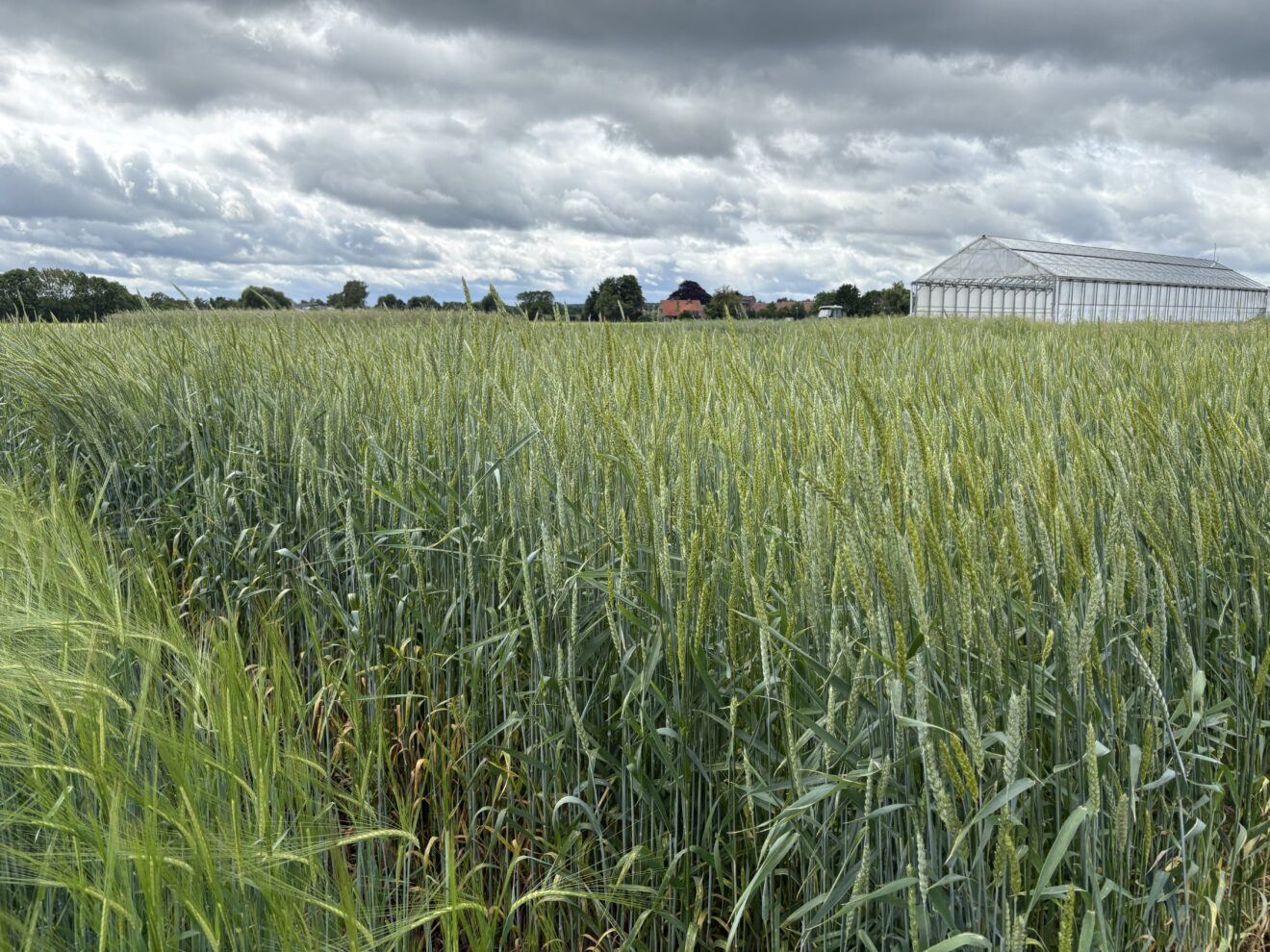
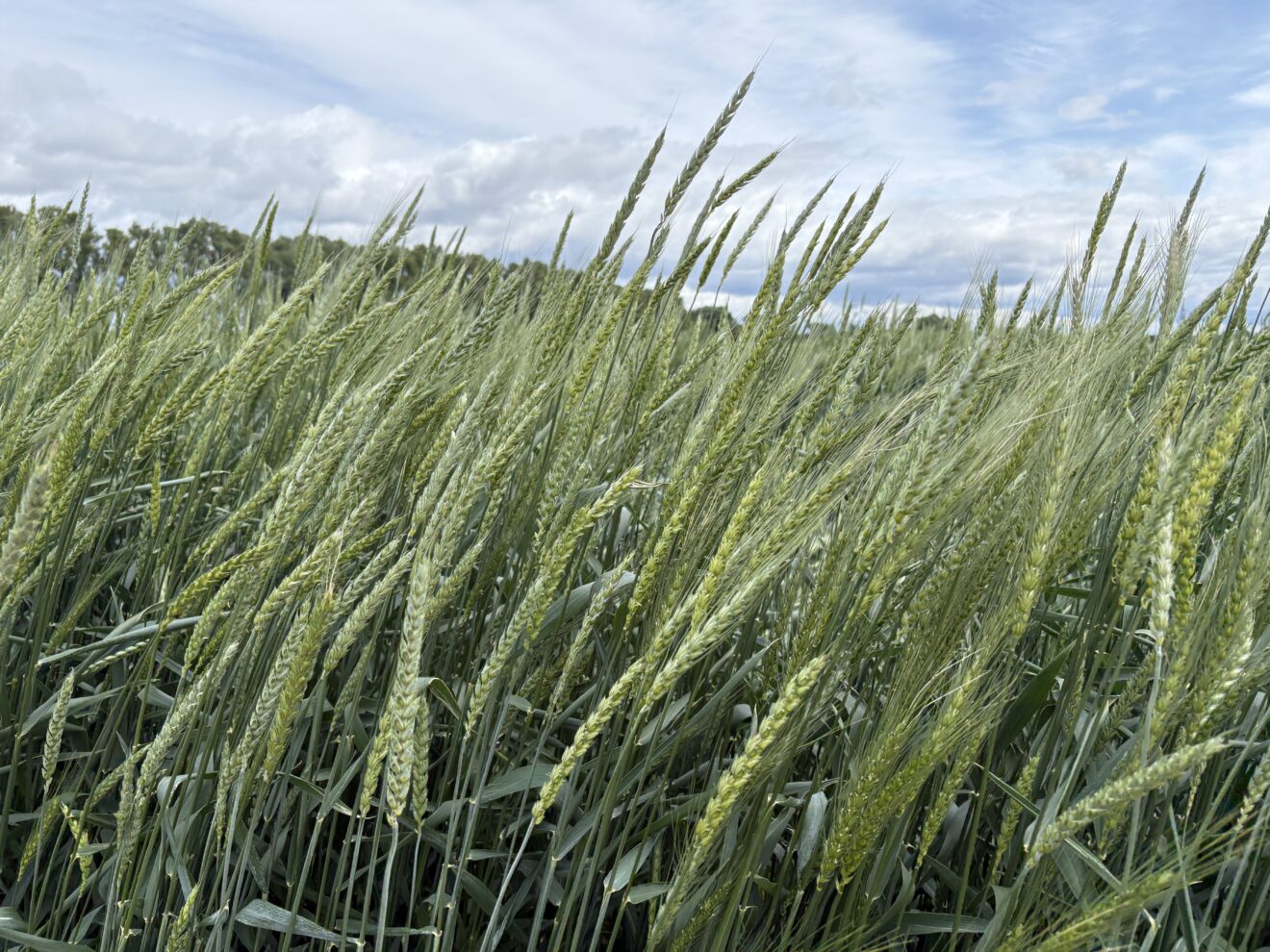
To secure the future of global wheat production against the growing threats of climate change and evolving agricultural diseases, researchers at HUN-REN Centre for Agricultural Research (ATK) have announced significant breakthroughs in crop wild relative (CWR) pre-breeding. By successfully transferring robust survival traits from ancient, wild grass species into modern wheat lines, the ATK team
|
|
|
|
|
|
|
|
COUSIN at AgroSemana 2026 with Universidade Católica Portuguesa
|
|
|
|
On 5 September 2026, COUSIN Partner Universidade Católica Portuguesa (UCP) participated in AgroSemana 2026 – Feira Agrícola do Norte, held at Espaço AGROS in Póvoa de Varzim, Portugal. Through a dedicated stand, UCP presented several ongoing projects contributing to more sustainable, resilient, and biodiverse food systems. COUSIN was showcased through conversations about the importance of crop wild relatives and the …
|
|
|
|
|
|
|
|
D2.1 - Distribution of Crop Wild Relatives in Europe and future perspectives
|
|
D2.1 COUSINDownload D2.1 COUSIN - AnnexDownload
|
|
|
|
|
|
|
|
|
This is the second newsletter from COUSIN, the European Union-funded project on the use and conservation of Crop Wild Relatives (CWRs) for more sustainable, resilient and nutritionally valuable agriculture.
|
|
|
|
|
|
|
|
|
|
Unlocking the potential of Wild Crops: new progress in the COUSIN Project
|
|
|
|
Crop Wild Relatives (CWRs) carry genetic traits for resilience, productivity, and nutrition and could play a key role in the agroecological transition of European food systems. In its first 18 months, the COUSIN project is making strong progress towards understanding their potential, unraveling the genetic basis of valuable CWR traits.
|
|
|
|
|
|
|
|
Cultivating biodiversity: educational garden at San Martín School with APRISCO
|
|
|
|
|
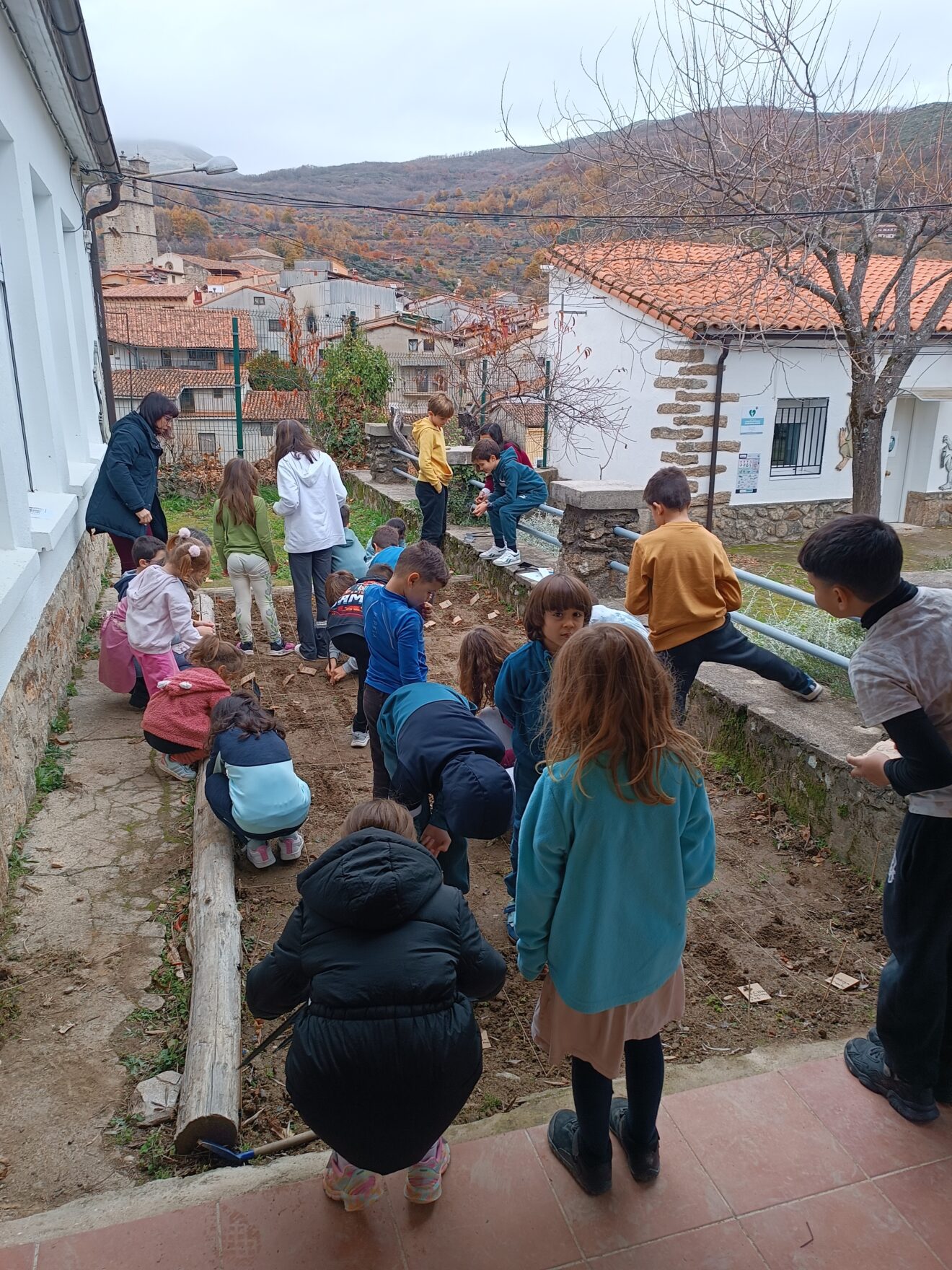
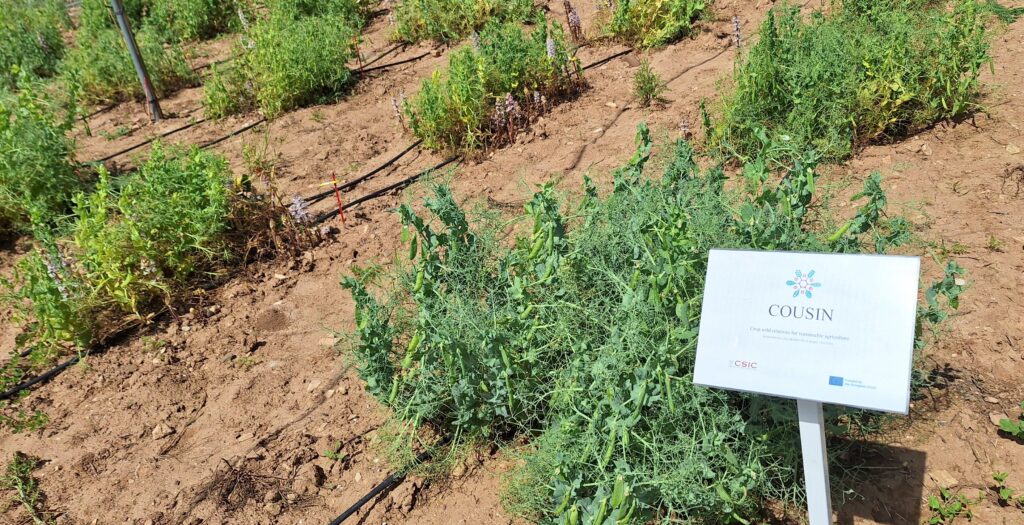
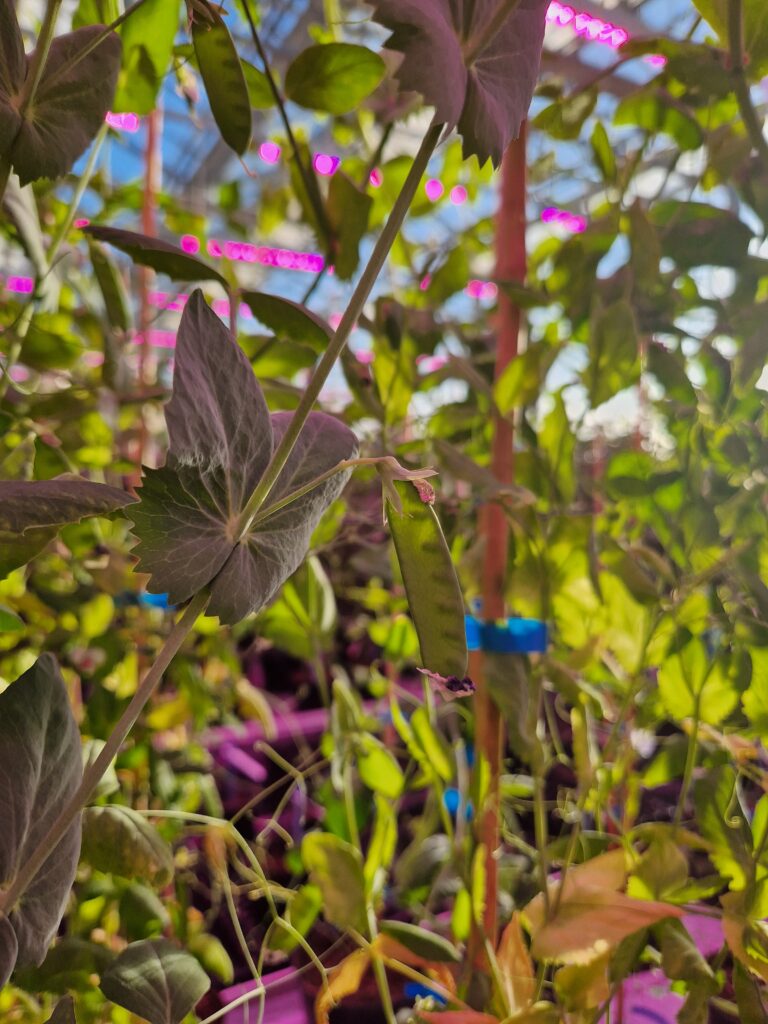
COUSIN partner Aprisco planted this academic year’s educational garden at San Martín School (Garganta la Olla), a partner in the “Farmland biodiversity for rural wellbeing” living lab. The same approach was followed as last year's garden, focusing on legumes and their ecosystem services (LegumES project), planting small experimental plots of monocultures and mixed crops of fava beans, lupins, and peas.
|
|
|
|
|
|
|
|
The COUSIN project arrives on the free repository ZENODO
|
|
|
|
|
The COUSIN community is now live on Zenodo. A free, open-access repository created by CERN and OpenAIRE which allows researchers to share and preserve publications, datasets, and other outputs. Creating our COUSIN community there is an important step toward open science.
|
|
|
|
|
|
|
|
The role of Crop Wild Relatives in Brassica breeding: COUSIN Project highlights at the Smarties.bio Open Day
|
|
|
|
|
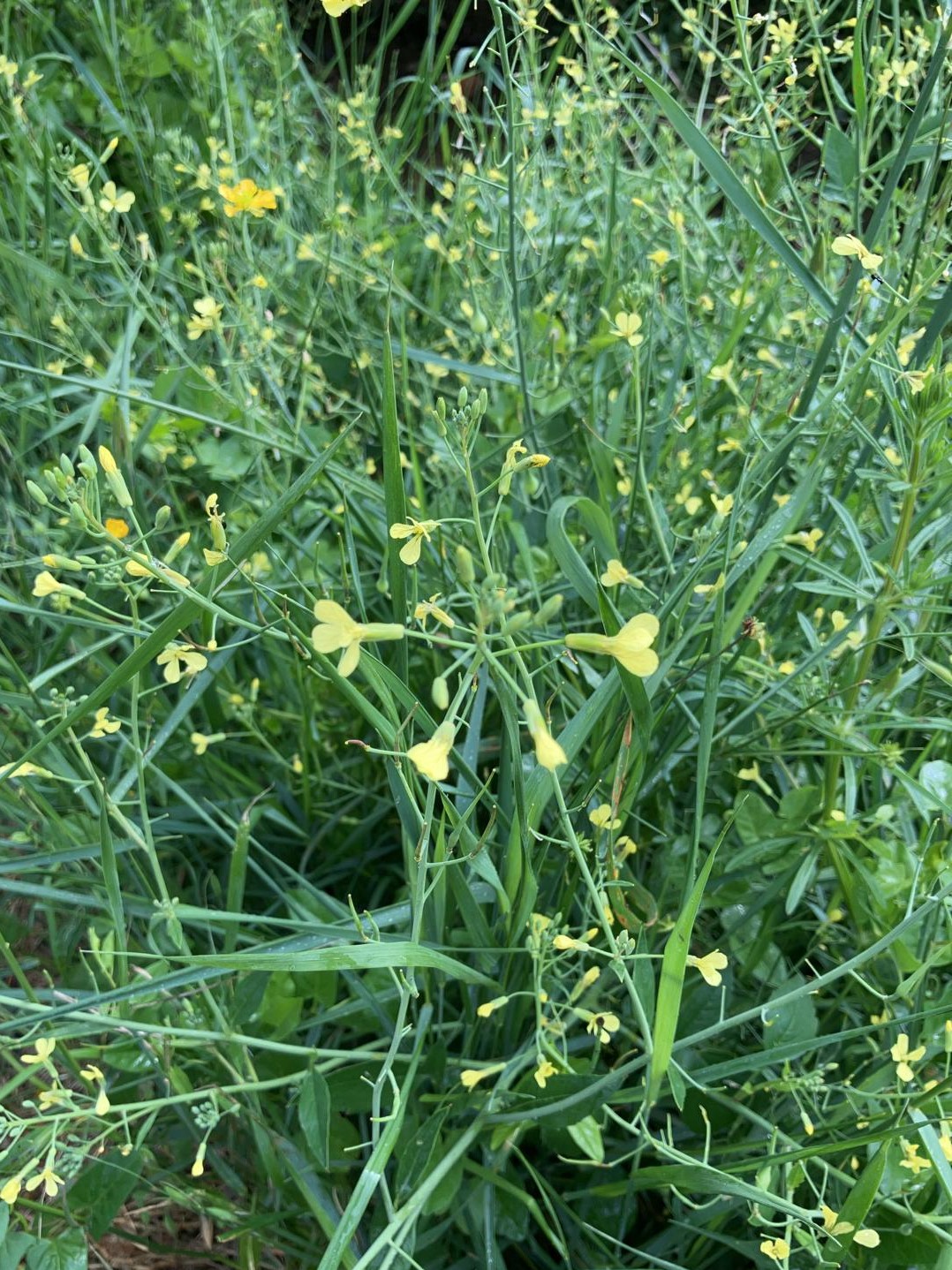
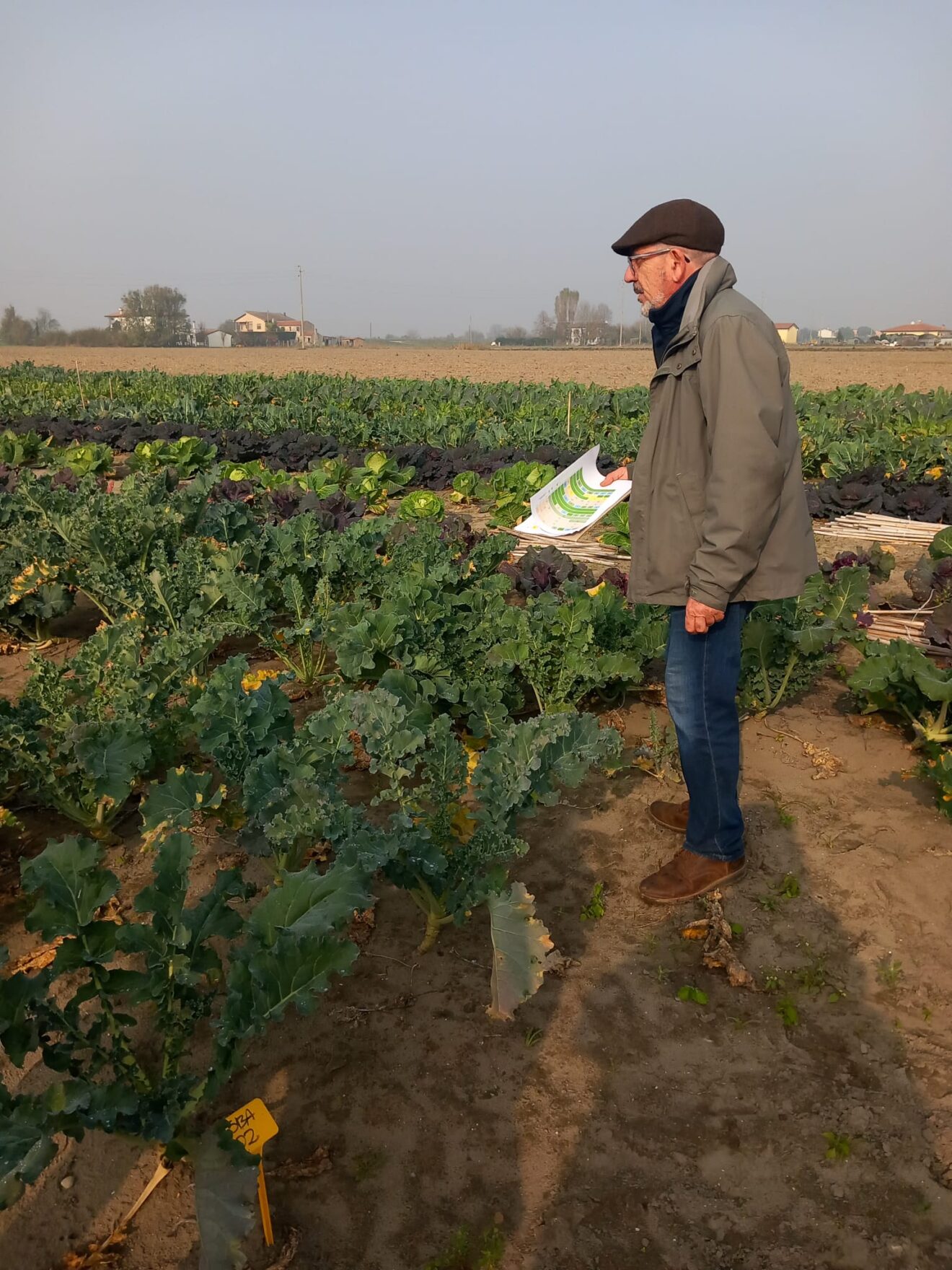
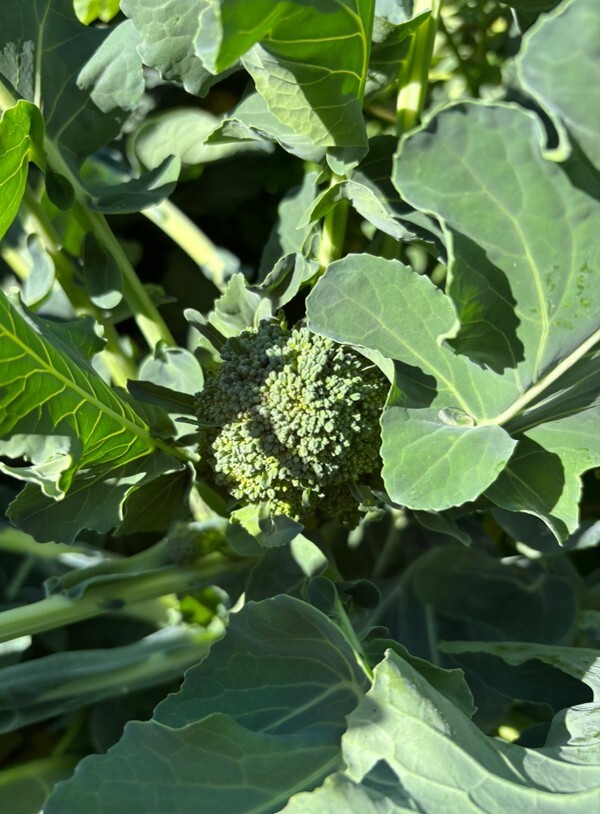
On the 14th of November 2025, participants of the Smarties.bio seed company Open Day had the valuable opportunity, after visiting the company’s production fields, to closely observe the brassica populations developed within the COUSIN project. The visit was guided by Prof. Ferdinando Branca of the University of Catania, who provided expert insights into the work carried out so far.
|
|
|
|
|
|
|
|
Throughout the duration of COUSIN, Practical Abstracts will be produced to explore aspects related to Crop Wild Relatives and relevant to the project's research and objectives.
Below you can read three of the most recent PAs (PAs 4,5 & 6), but you will find many more on the website!
|
|
|
|
4 - The policy context of Crop Wild Relatives - Addressing policy gaps to ensure sustainable food systems
|
|
|
|
|
CWRs are crucial genetic resources for resilient agriculture, but current policies rarely address them directly. The COUSIN Project identifies structural gaps and recommends targeted policy actions to support the conservation and sustainable use of CWRs.
|
|
|
|
|
|
|
|
5 - Working with others for Crop Wild Relatives (CWRs) - Stakeholder engagement in the use and conservation of CWRs
|
|
|
|
|
The conservation and sustainable use of CWRs requires stronger collaboration between different stakeholders. The COUSIN Project highlights the importance of this aspect to co-create context-specific solutions and build lasting support for CWR conservation and use.
|
|
|
|
|
|
|
|
6 - Prospects of breeding with CWR on wheat to enhance site adaptation and drought tolerance
|
|
|
|
|
Wheat is fundamental to Europes food supply, but challenges such as demands to reduce pesticides and fertilizers, along with more unpredictable weather patterns, have made it more difficult to achieve high, consistent yields and maintain flour quality
|
|
|
|
|
|
|
|
The COUSIN project has produced a series of video scribing to trace the history, characteristics, and potential of Crop Wild Relatives. The series consists of 5 videos:
|
|
|
|
|
|
|
|
|
|
Project COUSIN researchers regularly publish their research findings in scientific journals and in trade journal and websites. Here are some of the most recent publications.
|
|
Genome wide association study unveils the genetic basis of Orobanche crenata resistance in pea
|
|
|
|
On October 11, the scientific journal Springer Nature Link (volume 138) published an article written by Osman Zakaria Wohor, Nicolas Rispail, and Diego Rubiales entitled “Genome wide association study unveils the genetic basis of Orobanche crenata resistance in pea".
|
|
|
|
|
|
|
|
Capturing the Brassica oleracea L. wild relatives diversity for improving nutraceutical traits of cole crops
|
|
|
|
The article "Capturing the Brassica oleracea L. wild relatives diversity for improving nutraceutical traits of cole crops" written by Gresheen Garcia, Simone Treccarichi, Donata Arena, Hajer Ben Ammar, Lorenzo Maggioni and Ferdinando Branca, was published on Springer Nature - Volume 72 (2025).
|
|
|
|
|
|
|
|
|
There are 26 partners collaborating in the Cousin project from 12 European countries.
In each Newsletter 3 parners will introduce themselves in order to share their work and involvement in the project.
|
|
|

|
Formicablu is a team of science-communication specialists with extensive experience in EU project communication and editorial production. Their work spans strategic communication, dissemination, training, participatory methods, and the creation of multimedia storytelling formats.
Within COUSIN, Formicablu contributes in developing communication and dissemination actions targeting key audiences. They led the production of the series "Discovering Crop Wild Relatives with COUSIN” freshly published on Youtube, and contributed to develop COUSIN project page on iNaturalist citizen science platform.
|
|
|
|
|
|
|
The University of CataniaUniversidade Católica Portuguesa (UCP) is a leading Portuguese research university with strong expertise in food science, biotechnology, and nutrition. Its Plant Nutrition and Biotechnology Lab develops innovative approaches to enhance food quality, sustainability, and human health.
Within COUSIN, UCP contributes to several work packages and leads the activities on trait characterization and bioprospecting of the nutritional and health-related properties of CWRs, while also supporting the development of high-quality data resources. UCP further supports communication, dissemination, and training activities in WP6, engaging students, chefs, schools, and farmers to promote CWR and underscore their role in shaping future sustainable diets.
|
|
|
|
|
|

|
|
The Research Institute of Organic Agriculture - Forschungsinstitut für Biologischen Landbau (FiBL) is a major international center for organic farming research, working in research, consulting, education, and international cooperation. Based in Frick and Lausanne, FiBL conducts cutting-edge research on more than 150 Swiss organic farms. Within the COUSIN project, FiBL contributes expertise from its Breeding & Phytopathology Group, working on pea, barley, wheat, and rapeseed. FiBL’s tasks include assessing stress resilience of crop wild relatives (CWRs), characterizing their agronomic benefits, studying genetic and microbiome-related traits, and supporting breeding activities through selection toolboxes, field experiments, new crosses, and participatory breeding pilots.
|
|
|
|
|
|
|
|
|