|
|
|
|
Welcome to COUSIN Newsletter!
|
#1/2026
|
|
|
|
|
|
This is the third newsletter from COUSIN, the European Union-funded project on the use and conservation of Crop Wild Relatives (CWRs) for more sustainable, resilient and nutritionally valuable agriculture.
|
|
|
|
|
|
|
|
|
|
|
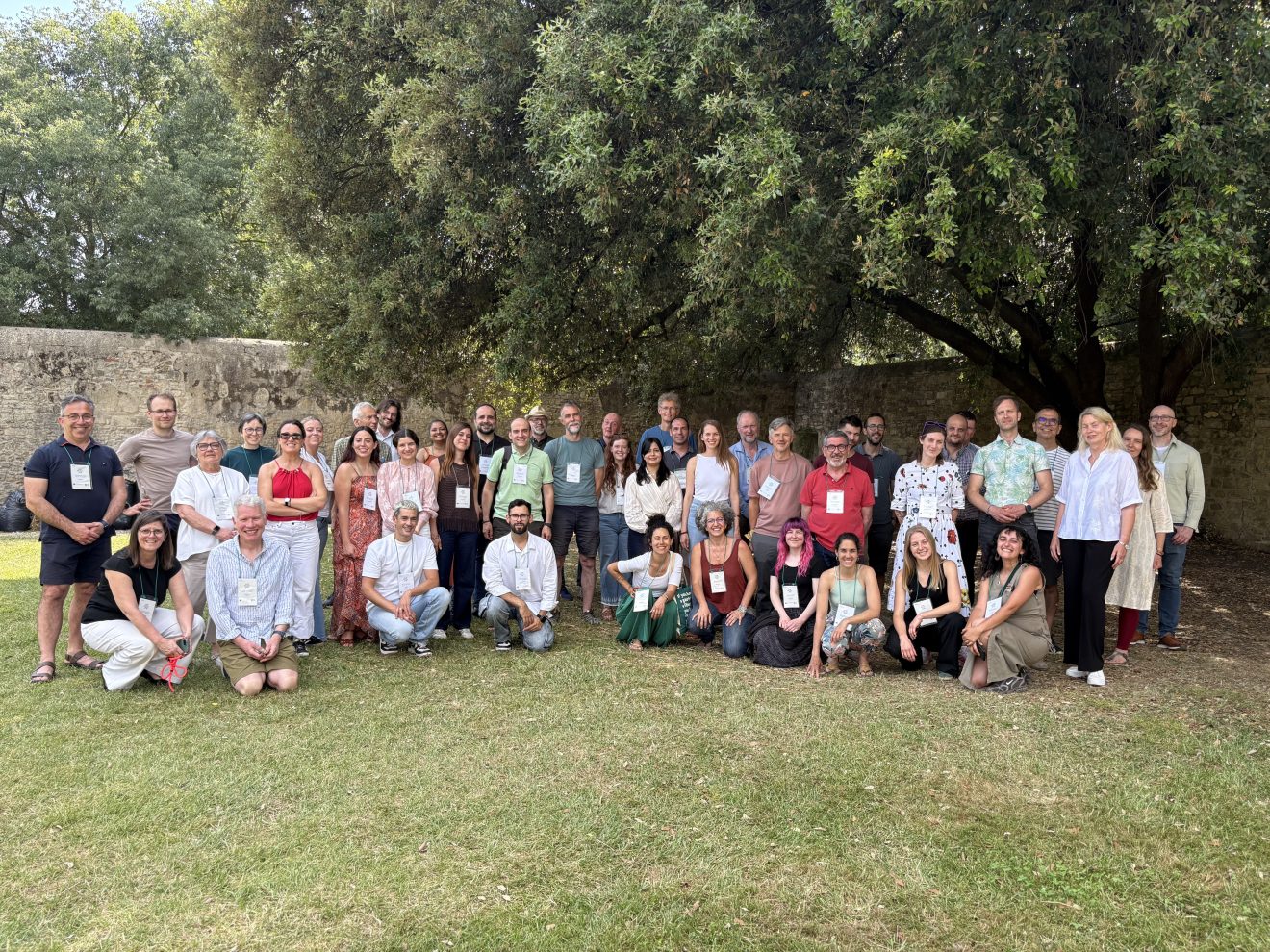
The third COUSIN Annual Meeting took place from 25 to 27 May in Scandicci, Italy, and was hosted by the project partner Rete Semi Rurali. The event brought together representatives from across the consortium to review project achievements, exchange knowledge, and jointly plan the next phases of the project.
|
|
|
|
|
|
|
|
Unlocking wild plant genetics to develop climate-resilient, disease-resistant wheat. Updates from the wheat working group
|
|
|
|
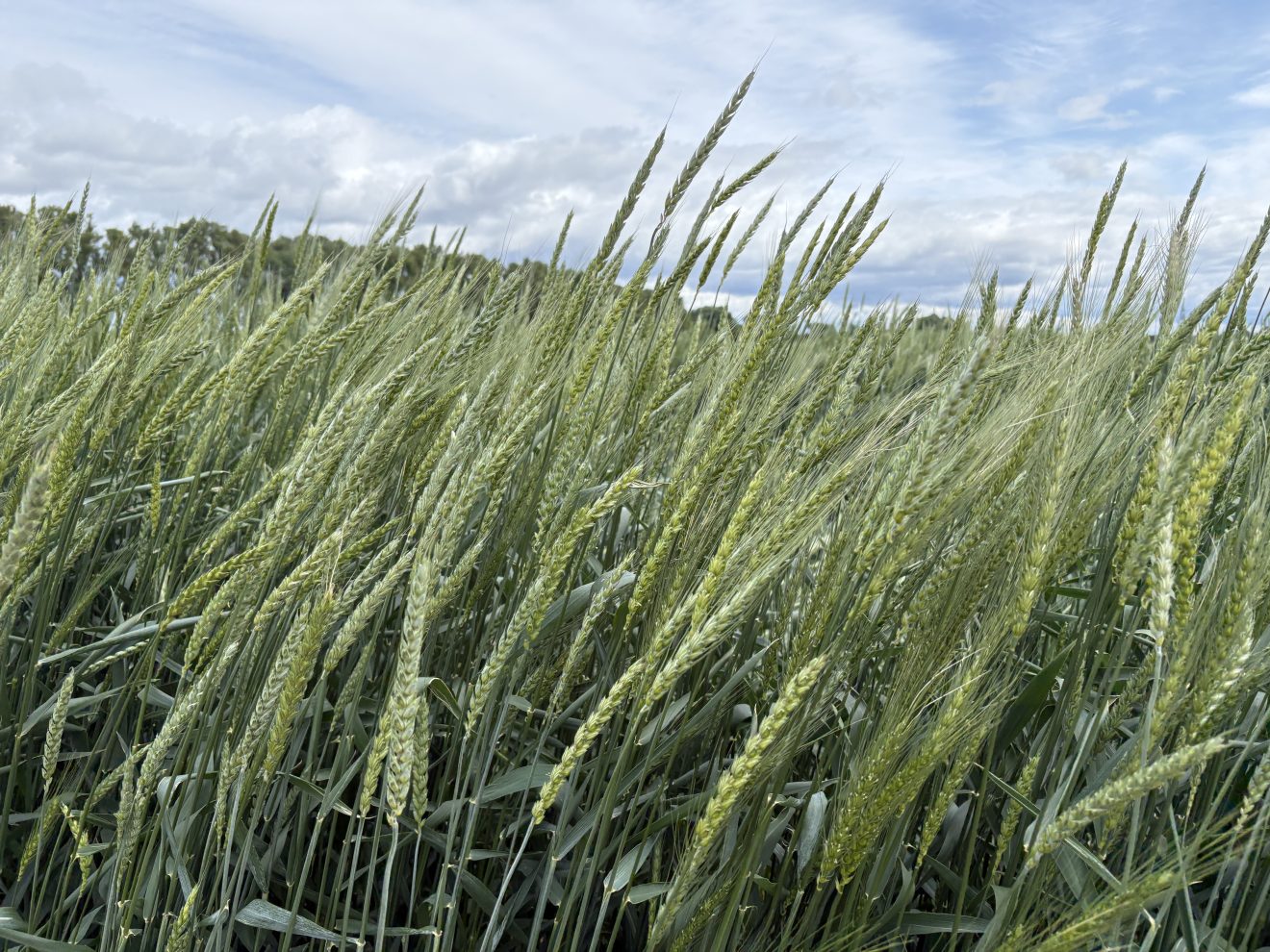
To secure the future of global wheat production against the growing threats of climate change and evolving agricultural diseases, researchers at HUN-REN Centre for Agricultural Research (ATK) have announced significant breakthroughs in crop wild relative (CWR) pre-breeding.
|
|
|
|
|
|
|
|
Inventing the food for the future
|
|
|
|
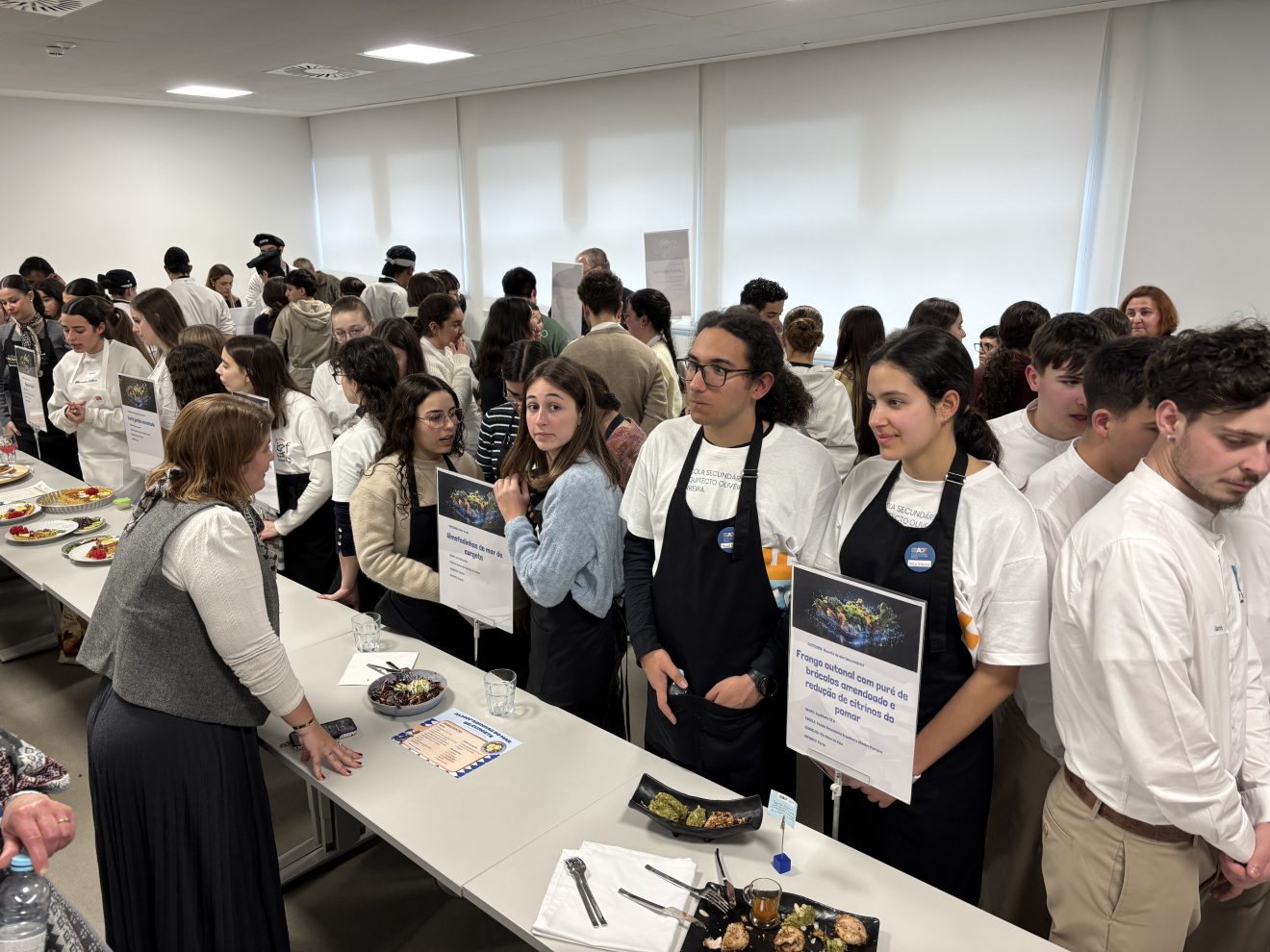
As part of the 4th edition of Inventar a Alimentação do Futuro (“Inventing the Food of the Future”), promoted by the Escola Superior de Biotecnologia, several student groups took part in an activity designed to encourage reflection on the links between food, health, sustainability and innovation.
|
|
|
|
|
|
|
|
The COUSIN project has produced 2 new videos!
|
|
|
|
1: From Wild Diversity to Resilient Agriculture: 2.5 Years of Progress and Impact
|
|
|
|
The COUSIN project is helping strengthen Europe's food system by conserving and promoting the use of crop wild relatives (CWRs) to support the development of more resilient and sustainable crops.
|
|
|
|
|
|
|
|
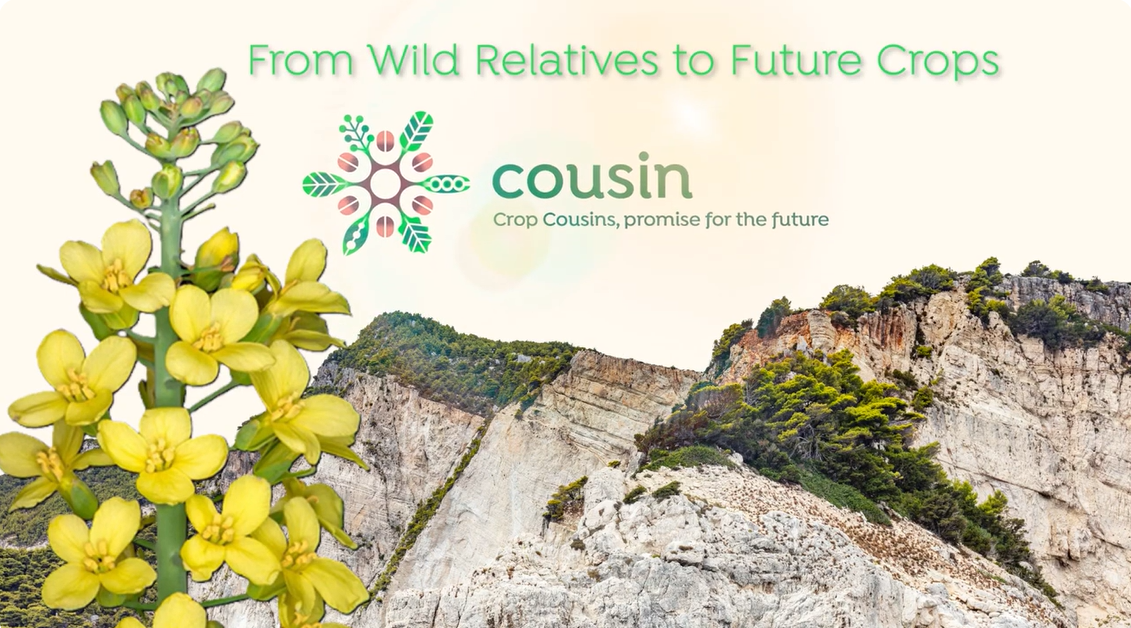
2: Flagship crops: Brassica - From Wild Relatives to Future Crops
|
|
|
|
The COUSIN project video, Flagship Crop – Brassica: From Wild Relatives to Future Crops, demonstrates how crop wild relatives can strengthen Brassica crops by improving their resilience, sustainability, and nutritional value, contributing to more resilient, sustainable, and future-proof agriculture across Europe.
|
|
|
|
|
|
|
|
|
|
Throughout the duration of COUSIN, Practical Abstracts will be produced to explore aspects related to Crop Wild Relatives and relevant to the project's research and objectives.
|
Recently, a new series of 10 Practice Abstracts has been published. You can read two of them below, and find the full series on our website!
|
|
|
|
|
|
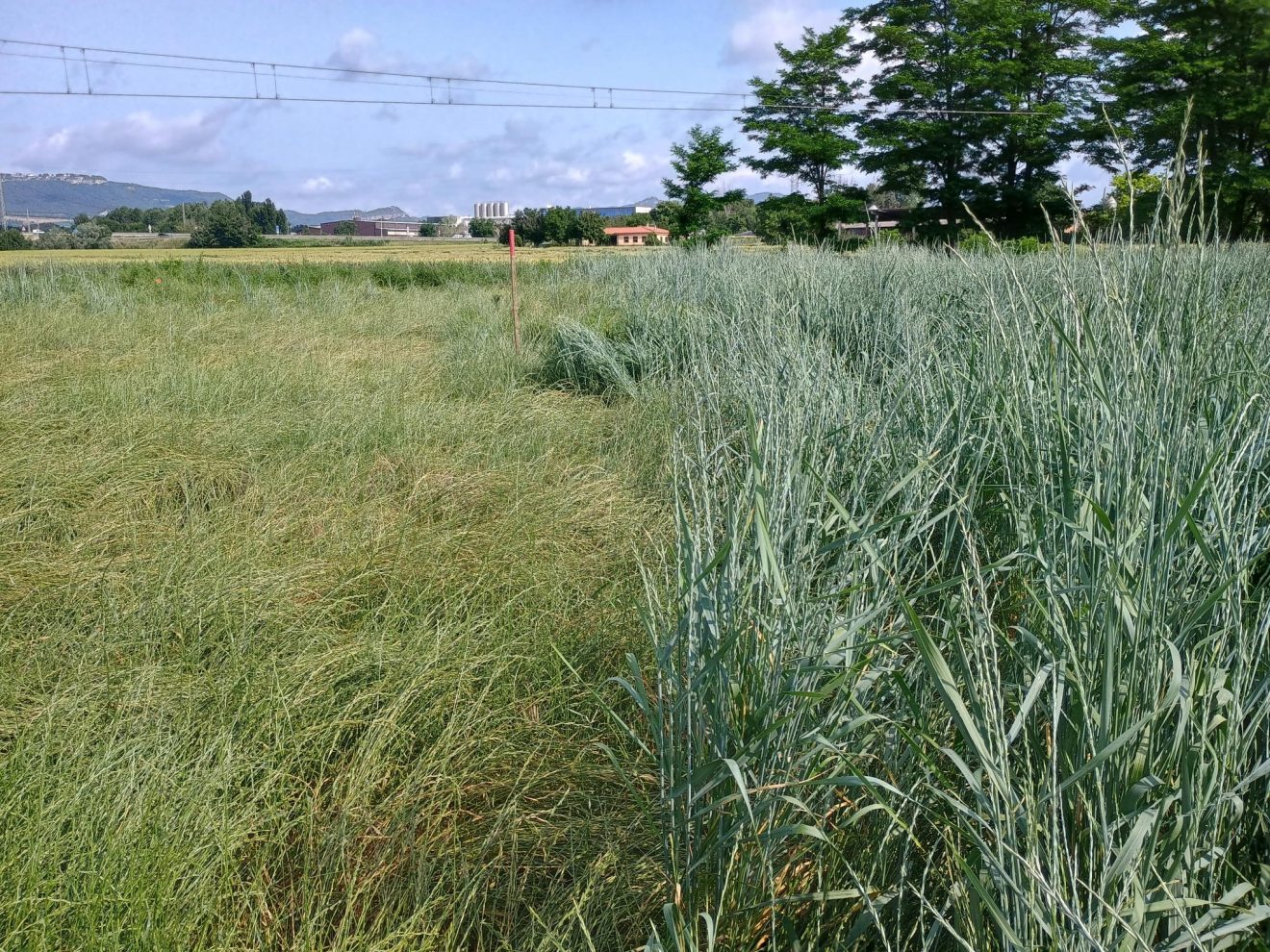
11 - Pilot cultivation of Kernza® in Spain - Lessons learned for future COUSIN trials
|
|
|
|
A pilot cultivation of Kernza® in Spain assessed the potential of this perennial grain under Mediterranean conditions. The COUSIN Project documents key agronomic lessons on establishment, crop management, and adaptation, providing practical guidance to support future field trials and the wider adoption of resilient perennial cropping systems.
|
|
|
|
|
|
|
|
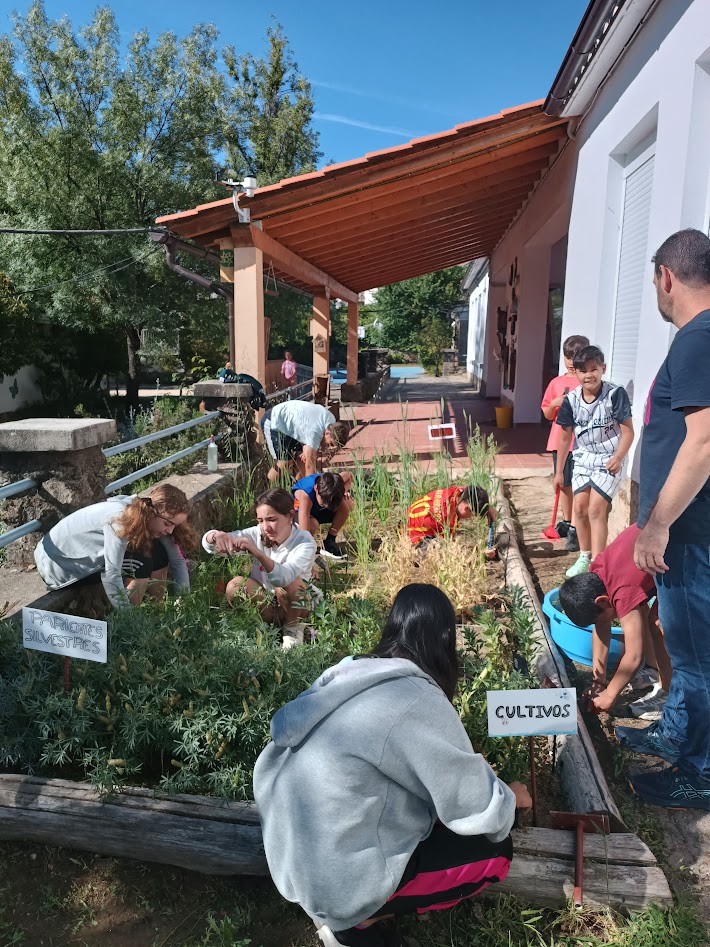
20 - Benefits of Crop Wild Relatives in-situ conservation to rural communities - CWRs as a key player for active, innovative and outdoor rural education
|
|
|
|
The conservation of CWRs is closely linked to rural communities, where land use change and rural depopulation can threaten in situ populations. The COUSIN Project demonstrates how participatory education initiatives between researchers and rural schools can raise awareness of CWR value, foster co-creation of learning activities, and strengthen the connection between biodiversity conservation and local communities.
|
|
|
|
|
|
|
|

|
Protecting Europe’s Crop Wild Relatives
The COUSIN project has launched a participatory seed-collecting campaign to help fill critical gaps in the conservation of Crop Wild Relatives (CWR) of wheat, barley, brassicas, lettuce and peas.
|
Up to 30 missions will be supported!
The call is open to experts with relevant botanical experience and a formal link to a national genebank.
|
By collecting seeds from priority areas and ensuring their conservation in national genebanks, participants can contribute directly to safeguarding valuable plant genetic diversity for the future.
|
|
|
|
|
|
|
|
|
|
|
COUSIN has two sister projects, FRUIT-DIV and PROWILD, working towards the shared goal of promoting the conservation and use of Crop Wild Relatives in agriculture.
|
Discover their latest activities and news!
|
|
|
|
|
|
|
There are 26 partners collaborating in the Cousin project from 12 European countries.
In each Newsletter, 3 partners will introduce themselves in order to share their work and involvement in the project.
|
|
|

|
EPSO (European Plant Science Organisation) is an independent academic organisation representing plant science in Europe, bringing together around 200 research institutes and university departments (over 24,000 researchers and staff) from 31 countries, plus more than 2,500 personal members. Its mission combines science strategy and policy advice, science support through 10 thematic Working Groups, and science outreach.
|
|
Within COUSIN, EPSO leads stakeholder engagement in WP1, coordinating the project's Stakeholder Advisory Group (SAG) and channelling their advice to the consortium between annual meetings. EPSO also supports communication, dissemination and policy clustering in WP6, relaying COUSIN updates through its newsletters, website and social media, and promoting the project through the Fascination of Plants Day network to the wider public.
|
|
|
|
|
|

|
ESSRG (Environmental Social Science Research Group) is a non-profit research and development enterprise founded in 2008 and based in Budapest, working at the intersection of environmental and social sciences with a transdisciplinary approach. Combining sociology, economics, anthropology, policy and biology, ESSRG explores pathways to just and sustainable socio-ecological transformation, with a particular focus on food systems, agrobiodiversity and planetary health, working closely with communities, farmers and policymakers.
|
|
Within COUSIN, ESSRG co-leads WP1, "Co-creating the context for CWRs", engaging Regional Stakeholder Groups, identifying good practices for practitioners' handbooks, contributing to the synthesis of policy recommendations and to the impact assessment of international policies on crop wild relatives, the latter also anchoring a PhD project on the legal, policy and economic context of working with CWRs in breeding.
|
|
|
|
|
|
|
gzpk (Getreidezüchtung Peter Kunz) is a Swiss non-profit organisation that has developed organic and biodynamic plant breeding for 40 years, working independently to create resilient varieties suited to low-input cultivation systems. With 20 staff and breeding programmes spanning wheat, spelt, emmer, triticale, peas, lupines, corn and sunflower, gzpk varieties are grown across Switzerland, Germany, Italy, Belgium, France, Poland, the Czech Republic and Brazil.
Within COUSIN, gzpk drives several of the project's breeding work packages. On peas, the team screens and advances breeding material provided by CSIC, from early F2/F3 populations through to F5–F9 candidate lines, using a dedicated fence-based field screening system. On barley, gzpk is developing crosses with Triticum timopheevii crop wild relatives to introduce new genetic diversity into cultivated emmer. On bread wheat, the team is multiplying and selecting FiBL populations and making crosses with elite material, feeding into on-farm trials planned for upcoming seasons.
|
|
|
|
|
|
|
|
|